
Imagine walking into the dental office filled with fear and apprehension, wondering to yourself: “Does a root canal hurt? Will I feel everything? How difficult will the recovery be?” Now, imagine leaving your appointment thinking, “That was even more comfortable than a simple filling!” This is the reality of a root canal in 2025.
Today, thanks to significant advancements in local anesthesia, digital imaging, and modern techniques, a root canal has been transformed into a quick, predictable, and utterly comfortable procedure. This treatment not only saves your natural tooth but also prevents the need for an extraction and a future dental implant. At D’Amico Dental Care in Watertown and Wayland, we utilize these precise technologies to ensure your comfort.
check if you need dental implants treatment in Wayland & Watertown, MA
In this guide, we will thoroughly examine the scientific facts, the precise treatment steps, and modern technologies, showing how contemporary dentistry has turned a root canal into a calm, pain-free experience. If you’re worried about pain, complications, or common misconceptions regarding root canals, this article will answer all of your questions.
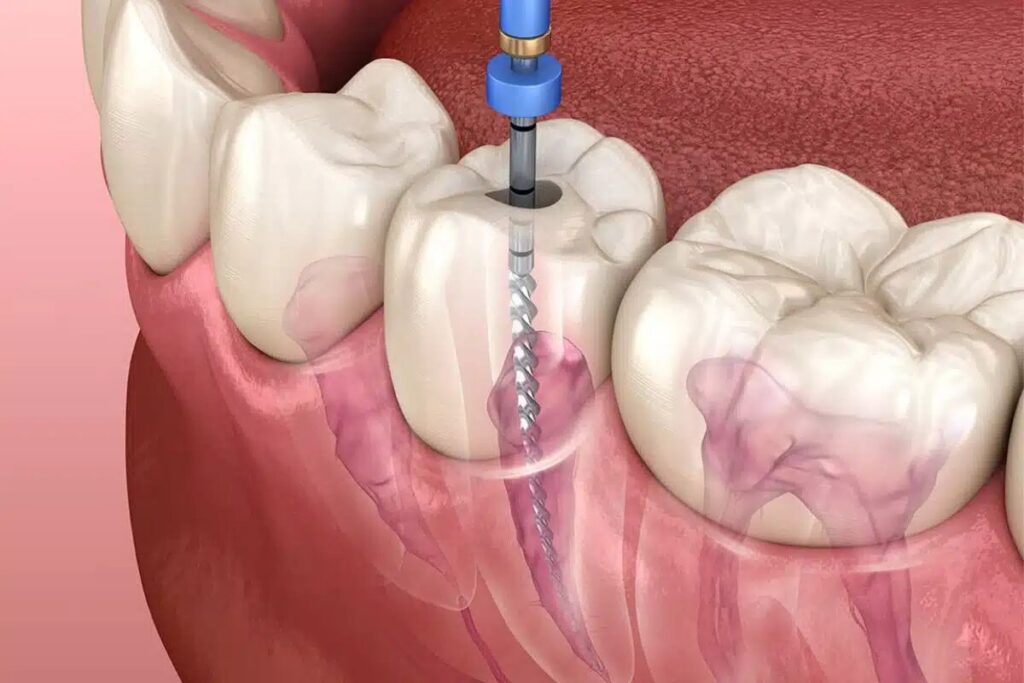
What Is a Root Canal and Why Might You Need One?
A root canal (often mistakenly referred to as a “nerve removal”) is a specialized procedure performed to save a tooth whose pulp (the soft inner tissue) has become severely infected or inflamed. In this treatment, the damaged internal tooth tissue is carefully removed, the space inside is thoroughly cleaned and disinfected, and the tooth is then filled and sealed. The primary goal is to preserve your natural tooth and prevent the need for extraction. This is the modern answer to the common fear, “Does a root canal hurt?”—it’s actually the solution to the pain, not the cause.
Signs You Might Need a Root Canal
The following symptoms can be warning signs:
- Severe, throbbing pain, especially at night or when lying down.
- Prolonged sensitivity to hot or cold drinks, even after the stimulus is gone.
- Pain when chewing or applying pressure to the tooth.
- Swelling or a pimple on the gum near the affected tooth.
- Dark discoloration of the tooth.
| Common Symptoms | Explanation |
| Spontaneous Pain | Pain that occurs without a specific trigger (e.g., in the middle of the night). |
| Sensitivity to Heat & Cold | Sharp pain that continues after drinking hot tea or cold water. |
| Gum Swelling | The gum around the tooth may become swollen, red, and tender. |
| Pain Under Pressure | Discomfort or pain when eating or touching the tooth. |
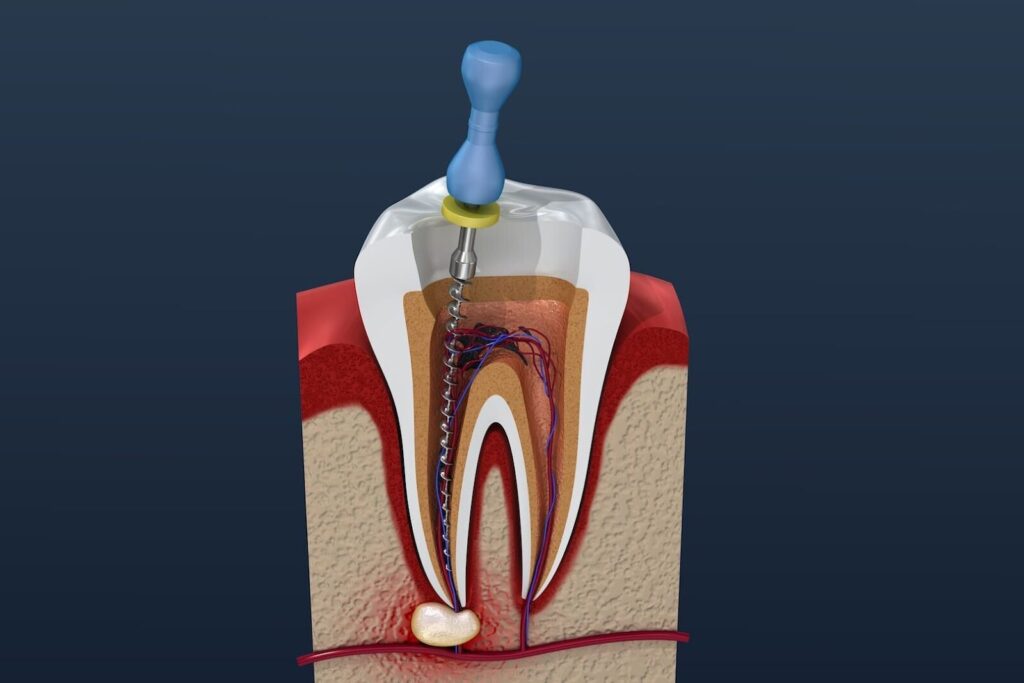
Why Does a Tooth “Die”?
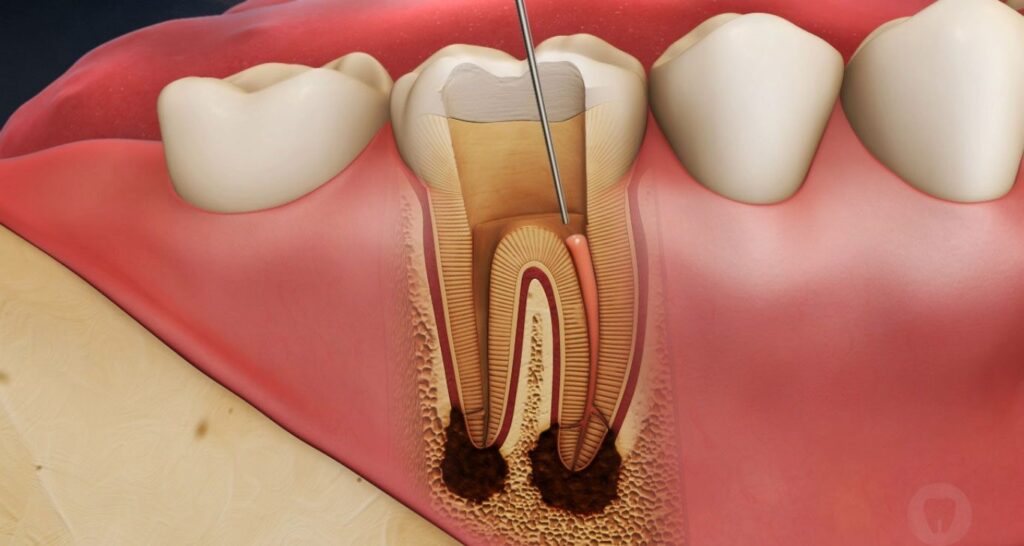
A tooth “dies” when the nerve and blood vessels inside it (the pulp) are destroyed due to deep decay, a cracked tooth, a severe impact, or multiple restorative procedures on the same tooth. When the pulp is damaged, bacteria multiply inside the tooth’s chamber, leading to infection and the formation of an abscess.
Symptoms of an Infected or Dying Tooth
- My tooth has spontaneous, throbbing pain.
- My tooth is sensitive to heat and cold, and the pain lingers.
- The gum near my tooth is swollen, tender, or has a pimple.
- My tooth has turned gray or dark.
- I feel pain when I bite down or chew with that tooth.
If you have one or more of these symptoms, contact your dentist for an examination and a definitive diagnosis. A timely visit to a trusted practice like ours in Wayland can prevent the problem from worsening.
Does a Root Canal Hurt in 2025? (Myths vs. Reality)
The belief that a root canal is a painful process is a relic from decades past. With advancements in technology and modern anesthetics, today’s root canal procedure is entirely painless. In fact, this treatment is specifically designed to eliminate the pain caused by a tooth infection. So, when patients ask, “Does a root canal hurt?” the answer is a resounding no—it’s the solution to the pain you’re already in.
Why Modern Root Canals Are Painless
Dentists use powerful anesthetics and advanced techniques to ensure your complete comfort. Before the procedure begins, the area is thoroughly numbed. Additionally, magnification systems and very delicate instruments are used to perform the treatment with precision, minimizing any discomfort and making it a truly pain-free root canal treatment.
Pain Scale — Before, During, and After Treatment
| Time | Pain Level (0-10) | Explanation |
| Before Treatment | 7-10 | Severe pain from an active infection |
| During Treatment | 0-2 | Only mild pressure is felt |
| 24 Hours After Treatment | 1-3 | Normal sensitivity, easily controlled with pain relievers |
Common Myths About Root Canals
- “Root canals cause illness”: This myth is based on long-debunked, outdated research. Modern studies confirm root canals are completely safe.
- “If it doesn’t hurt, I don’t need treatment.”An infection can progress without causing pain and damage to your jawbone.
- “Root canals cause headaches or earaches”: These pains are usually caused by the tooth infection, not by the treatment.
Is It Safe During Pregnancy?
Yes, with necessary precautions, a root canal can be performed during the second trimester. Dentists use procedures and medications that are safe for both the mother and the developing baby. Always inform your dentist if you are pregnant. Whether you receive care at our office in Watertown or in Wayland, we will take every precaution.
Mild sensitivity after the procedure is normal and can usually be managed with simple pain relievers. The primary goal of a root canal is to relieve your toothache and save your natural tooth. This modern approach ensures a low level of root canal pain and a quick recovery.
How to Avoid Needing a Root Canal
A root canal is often the result of neglecting oral health. With proper preventive care, you can significantly reduce your risk of needing this treatment. Many patients worry, “Does a root canal hurt?” but the best strategy is to avoid the problem altogether through consistent, good habits.
Early Warning Signs You Should Never Ignore
- Temperature Sensitivity: A sharp, brief pain when consuming hot or cold foods and drinks.
- Pain When Chewing: Persistent or intermittent discomfort when applying pressure to a tooth.
- Tooth Discoloration: A tooth turning gray or dark, indicating internal damage.
- Gum Swelling: Inflammation or a pimple-like bump on the gum adjacent to a tooth.
Daily Habits That Reduce Your Risk
| Helpful Habits | Risky Habits |
| Brushing twice daily with fluoride toothpaste | High consumption of sugary and acidic drinks |
| Flossing daily | Teeth grinding and clenching (bruxism) |
| Regular check-ups every 6 months | Postponing treatment for small cavities |
| Using a mouthguard during sports | Using your teeth as tools to open objects |
Prevention Checklist:
- Dental examination every 6 months
- Professional cleaning twice a year
- Promptly filling small cavities
- Using a night guard if you grind your teeth
Protecting Your Teeth from Trauma
- Wear a mouthguard during contact sports.
- Always wear a seatbelt in the car.
- Avoid using your teeth to open bottles or packaging.
- If you experience trauma to your mouth, see a dentist immediately, even without immediate pain.
By following these simple tips, you can protect your teeth and minimize the likelihood of needing a root canal. Prevention is always better and more cost-effective than treatment! A consistent care routine is the most effective way to manage your long-term root canal pain level—by ensuring you never have to experience the pain that necessitates one. Whether you are in Watertown or in Wayland, our team is here to support your preventive care journey.
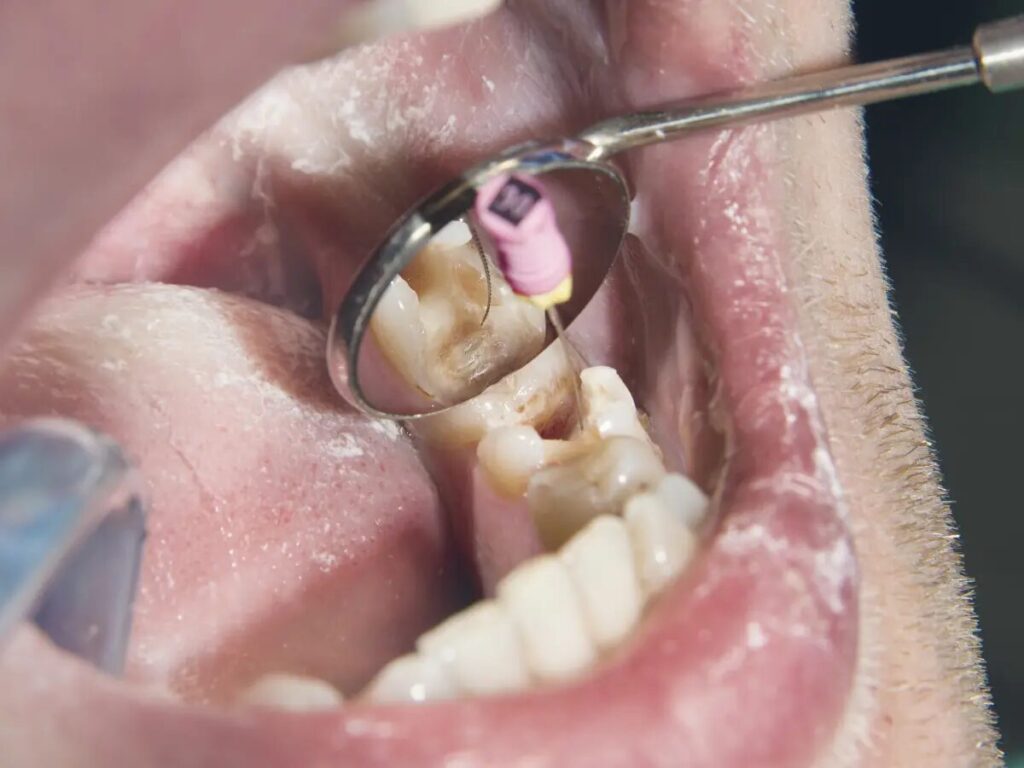
Step-By-Step: How a Root Canal Is Done
A root canal is a precise, specialized procedure to save your natural tooth. Understanding these steps can ease any concerns and increase your confidence in this treatment. At D’Amico Dental Care in Watertown and Wayland, we specialize in this modern root canal procedure.
Initial Exam and Imaging
The treatment begins with a complete examination and X-ray imaging. These images help the dentist:
- Assess the extent of the infection.
- Identify the shape and number of root canals.
- Plan the best treatment approach.
Local Anesthesia — 2025 Technology
Today, advanced anesthetics and low-pain injection techniques are used, including:
- Topical numbing gel before the injection.
- Ultra-fine needles.
- Controlled-pressure injection systems.
This technology guarantees the entire procedure is a pain-free root canal treatment, directly addressing the common fear, “Does a root canal hurt?”
Cleaning & Shaping the Canals
After gaining access to the tooth’s inner chamber:
- The infected tissue and bacteria are removed.
- The canals are shaped and widened using special instruments.
- Irrigation with robust antiseptic solutions is performed.
Filling and Sealing the Tooth
The cleaned canals are filled with special materials:
- Filled with gutta-percha (a rubber-like material).
- Completely sealed and made airtight.
- Prevented from future reinfection.
This treatment is typically completed in 1-2 appointments, after which your tooth is permanently free from the pain caused by infection. The entire modern root canal procedure is designed for your comfort and tooth preservation.
Root Canals for Children — Key Differences
- Primary Teeth: Treatment uses simpler techniques.
- Space Maintenance: To ensure proper eruption of the permanent tooth.
- Precise Timing: Based on the child’s age and dental development.
Root Canals During Pregnancy — What to Know
- Second Trimester: The safest time for treatment.
- Lead Apron: Protects the fetus from radiation during X-rays.
- Safe Anesthetics: Approved for use during pregnancy.
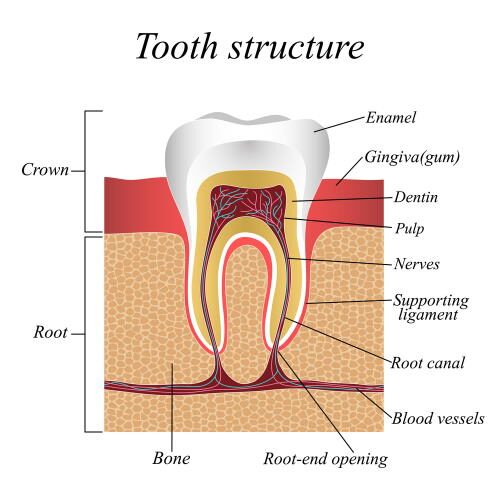
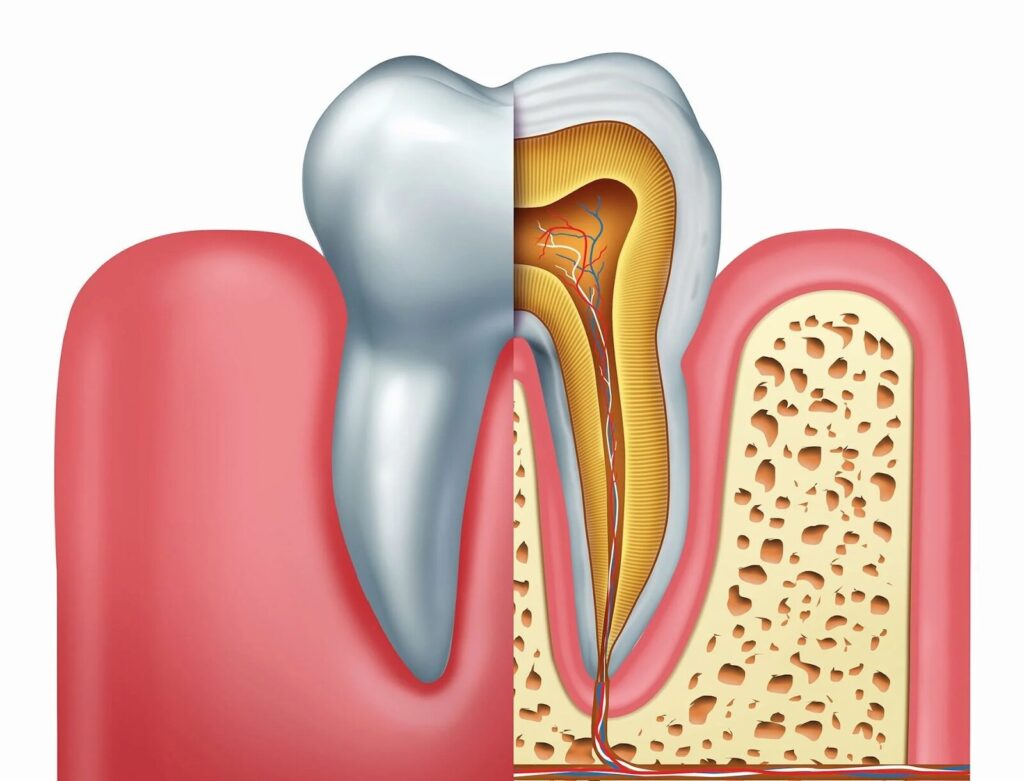
Tooth Anatomy Table:
| Tooth Section | Function |
| Enamel | Hard outer protective layer |
| Dentin | Middle layer |
| Pulp | Center containing nerves & blood vessels |
| Root Canal | Pathway for the nerve |
Treatment Flowchart:
Examination → Anesthesia → Access Opening → Canal Cleaning → Shaping → Irrigation → Filling → Final Restoration
How Long Does a Root Canal Take?
The duration of root canal treatment depends on various factors, but it generally takes 30 to 90 minutes per session. Most root canal treatments are completed in one or two appointments. Many patients wonder, “Does a root canal hurt?” and are relieved to learn that not only is the procedure comfortable, but it’s also often quicker than they imagine.
Single-Root vs. Multi-Root Teeth
- Front Teeth (Single-Rooted): Such as incisors and canines, usually have only one canal. Treating them typically takes about 30 to 60 minutes.
- Back Teeth (Multi-Rooted): Like molars, which have three or four canals (and sometimes more), are more complex. Treating them may take 90 minutes or longer.
Why Infected Teeth May Take Longer
If the infection is advanced (forming an abscess), the dentist needs to spend more time meticulously cleaning and disinfecting the canals. In some cases, to ensure the infection is eliminated, an antiseptic medication may be placed inside the canal, the tooth is temporarily sealed, and a second appointment is scheduled for the final filling.
Is Same-Day Treatment Possible?
Yes, in many cases. For teeth without a complex infection, the entire root canal can often be completed in a single session. At the end of the appointment, the dentist permanently fills and seals the tooth. Your dentist makes the final decision on this after an examination and X-rays. At D’Amico Dental Care in Watertown and Wayland, we strive for efficiency and comfort in every procedure.
After the root canal is completed, you will typically need a permanent crown to protect the restored tooth, which is placed in a separate appointment. This final step ensures the long-term success of your treatment.
What to Expect After a Root Canal
A successful root canal means the end of pain caused by a tooth infection. Understanding the recovery process will help you navigate this period with ease. It’s common to ask, “Does a root canal hurt after the procedure?” The good news is that any post-treatment discomfort is typically mild and temporary, a stark contrast to the severe pain of the original infection.
Eating After the Procedure
- Avoid chewing on the treated side until the anesthesia completely wears off (2-4 hours).
- For the first 24 hours, consume soft, cool foods such as yogurt, pudding, and cold soup.
- Avoid hard, crunchy, or sticky foods, as well as hot drinks, for a few days.
Normal vs. Concerning Pain
Some tenderness and sensitivity for the first few days is entirely normal. This discomfort is usually manageable with over-the-counter pain relievers like ibuprofen. However, contact your dentist immediately if you experience:
- Severe, throbbing pain not reduced by pain medication.
- Significant swelling in your face or gums that doesn’t improve after 48 hours.
- An allergic reaction (skin rash, itching).
- A feeling that the tooth is “high” compared to the neighboring teeth.
Full Recovery Timeline
| Time After Treatment | Expected Condition |
| First 24-48 Hours | Mild sensitivity and discomfort |
| 3-7 Days | Gradual decrease in pain and sensitivity |
| 1-2 Weeks | Full return to normal |
Risks and Complications (Rare but Possible)
- Reinfection (if the restoration leaks)
- Root fracture
- Missed canal (an untreated canal)
Supporting Healing at Home
- Use a cold compress on the outside of your cheek for the first 24 hours to reduce swelling.
- Use any prescribed medications as directed.
- Maintain oral hygiene gently but thoroughly.
- Avoid smoking.
Costs and Insurance Basics
The cost of a root canal depends on the tooth’s complexity and location. Molars are typically more expensive. Most dental insurance plans cover a portion of the cost of a root canal. For details on your specific coverage, contact your insurance company directly. Our team in Watertown and Wayland can also help you understand your benefits.
If your tooth needs a crown after the root canal, this is a separate cost.
Getting a Root Canal at D’Amico Dental — What to Expect
At D’Amico Dental, a root canal shouldn’t be a frightening experience, but rather a confident step toward relieving your pain and saving your natural tooth. We make this journey comfortable and stress-free for you. A question we often hear is, “Does a root canal hurt?” and we are proud to say that our modern approach ensures the answer is a definitive “no.”
Technologies That Make Treatment Comfortable
We use the most advanced equipment to guarantee your precision and comfort. This includes:
- Controlled anesthetics to eliminate pain.
- Surgical loupes (special magnifying glasses) for exceptional precision.
- Digital imaging systems that minimize radiation exposure for accurate treatment planning.
Gentle Approach and Patient Support
Our team is by your side. Before we do anything, we clearly explain every step of the process to you. During treatment, your vital signs are continuously monitored, and we provide a calm environment so you can relax with peace of mind.
Follow-Up and Long-Term Success
After your treatment is complete, we don’t leave you on your own. By providing clear post-treatment care instructions and scheduling follow-up examinations, we monitor the long-term health of your restored tooth to ensure the treatment’s success. This commitment to aftercare is a standard part of our service in Watertown and Wayland.
D’Amico Dental Care — Watertown & Wayland MA
Ready to Take the Next Step Toward a Healthier Smile?
Schedule your personalized consultation at D’Amico Dental Care today — precise diagnostics, transparent planning, zero pressure.
FAQ
1. Are Root Canals Painful?
No. Modern techniques and anesthesia make the procedure comfortable, similar to getting a filling.
2. Is Root Canal Treatment Safe?
Yes, very safe. Advanced technologies, such as digital imaging and rotary instruments, ensure precision and safety.
3. Why Not Just Pull the Tooth?
Saving your natural tooth is almost always better for chewing function, bone preservation, and oral health.
4. What's New in Root Canal Technology?
Digital 3D imaging, rotary instruments for faster treatment, and microscopes for better precision.
5. How Long Does a Root Canal Take?
Typically, 60-90 minutes depending on the tooth's complexity and condition.
6. What's the Success Rate of Root Canals?
Over 95% when performed by an experienced dentist with modern techniques.
7. What is Recovery Like After a Root Canal?
Minimal discomfort for a few days, easily managed with over-the-counter pain relievers.
8. Is Root Canal Treatment Expensive?
It's cost-effective compared to tooth extraction followed by an implant or bridge.
9. Do I Need a Crown After a Root Canal?
Usually, yes, to protect the treated tooth from fracture and restore full function.
10. What Are My Alternatives to a Root Canal?
Tooth extraction is the only alternative, which then requires an implant, bridge, or partial denture.