
A tooth is hurting, and you’re faced with a significant decision: root canal vs extraction? Both methods solve the immediate problem, but their long-term impact on your oral health, smile aesthetics, and future costs is entirely different. If you’re asking, “Which option is better for me?” you should know that the answer lies in the specific condition of your tooth and your personal priorities.
At D’Amico Dental Care, we believe that saving your natural tooth is the priority, unless there is no other option to save it. A root canal not only rescues your tooth but also prevents jawbone deterioration and the shifting of adjacent teeth. On the other hand, a tooth extraction may seem like a more straightforward solution in the short term, but it can lead to higher long-term costs associated with replacing the missing tooth. In this guide, we will compare the advantages, disadvantages, costs, and long-term outcomes of the available procedures in Watertown and Wayland so that you can make the most informed decision for your oral health.
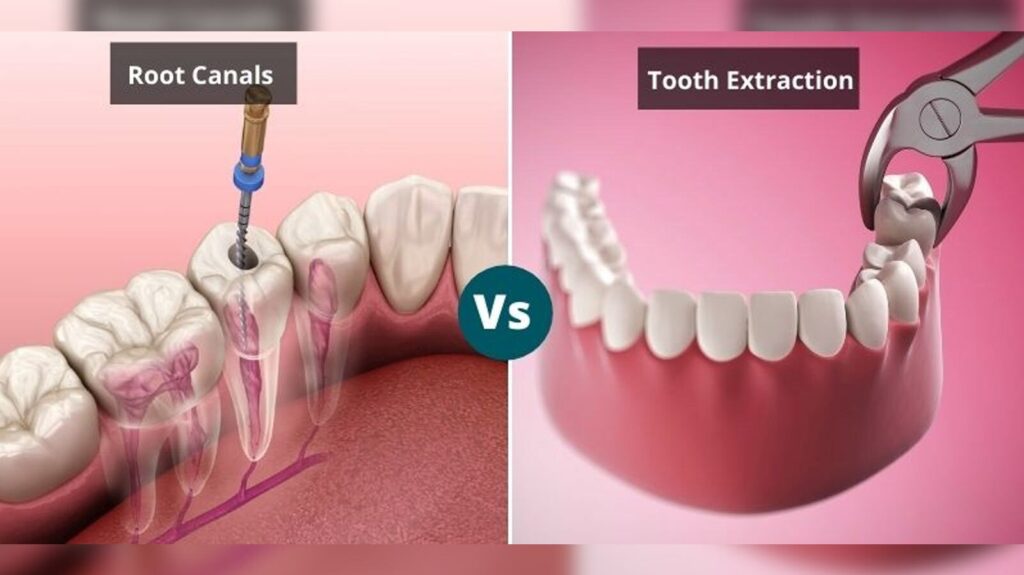
Quick Comparison — Root Canal vs Extraction
When a tooth is severely damaged, you have two main options: saving the tooth with a root canal or extracting it. Understanding the differences between these two methods helps you make the best decision for your health and budget.
| Criterion | Root Canal + Crown | Tooth Extraction |
| Procedure | Cleaning and filling the tooth’s internal canals and protecting it with a crown | Complete removal of the tooth from the bone socket |
| Pain Level (During) | Minimal (complete anesthesia) | Mild to Moderate |
| Recovery Time | 1 to 2 days of mild sensitivity | 3 to 7 days (swelling possible) |
| Longevity | 10 to 20 years or more | Permanent tooth loss (unless replaced) |
| Ideal For | A tooth with sufficient healthy structure | Non-restorable teeth (e.g., wisdom teeth) |
| Not Recommended For | Teeth fractured below the gumline, severe bone loss | Patients are unwilling to replace the missing tooth |
- The goal of a root canal: To preserve your natural tooth for a lifetime.
- The goal of an extraction: To remove a non-restorable tooth.
An extracted tooth must be replaced with an implant, bridge, or denture to prevent adjacent teeth from shifting and potential digestive issues. These replacements can significantly increase overall costs, making a root canal vs. extraction analysis crucial. In the long run, a root canal is often the more cost-effective and conservative treatment. This is a key consideration for patients at our practice in Watertown and Wayland.
What a Root Canal Actually Does
A root canal is a specialized procedure designed to save a tooth at risk of loss due to infection or deep damage. Contrary to common belief, this treatment is meant to eliminate tooth pain, not cause it. This core benefit is central to the decision of whether to save the tooth or extract.
How the Procedure Works
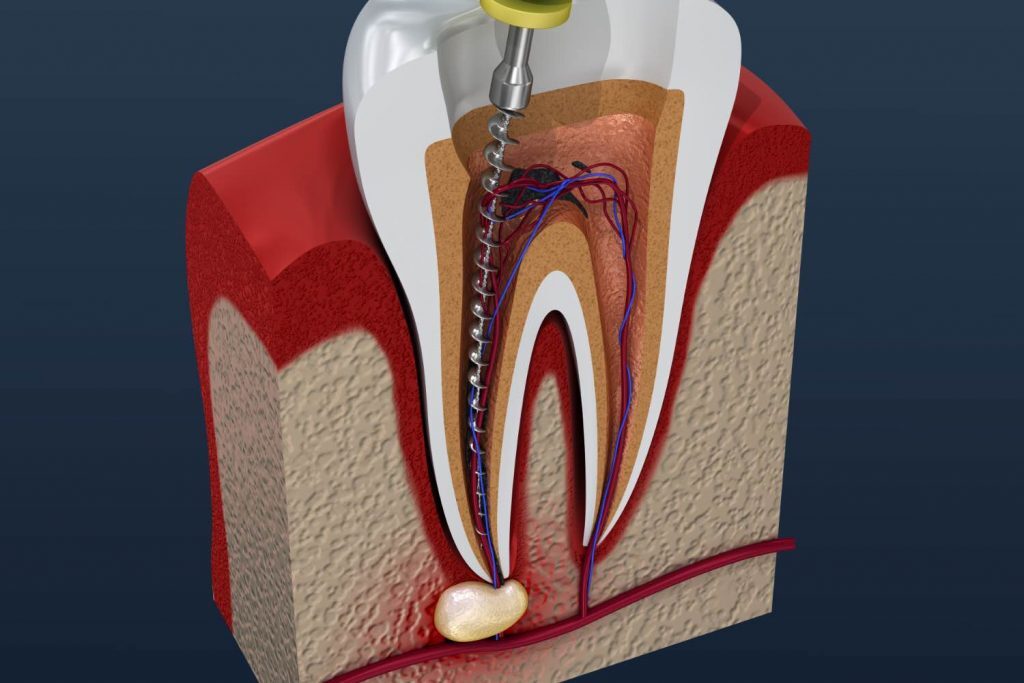
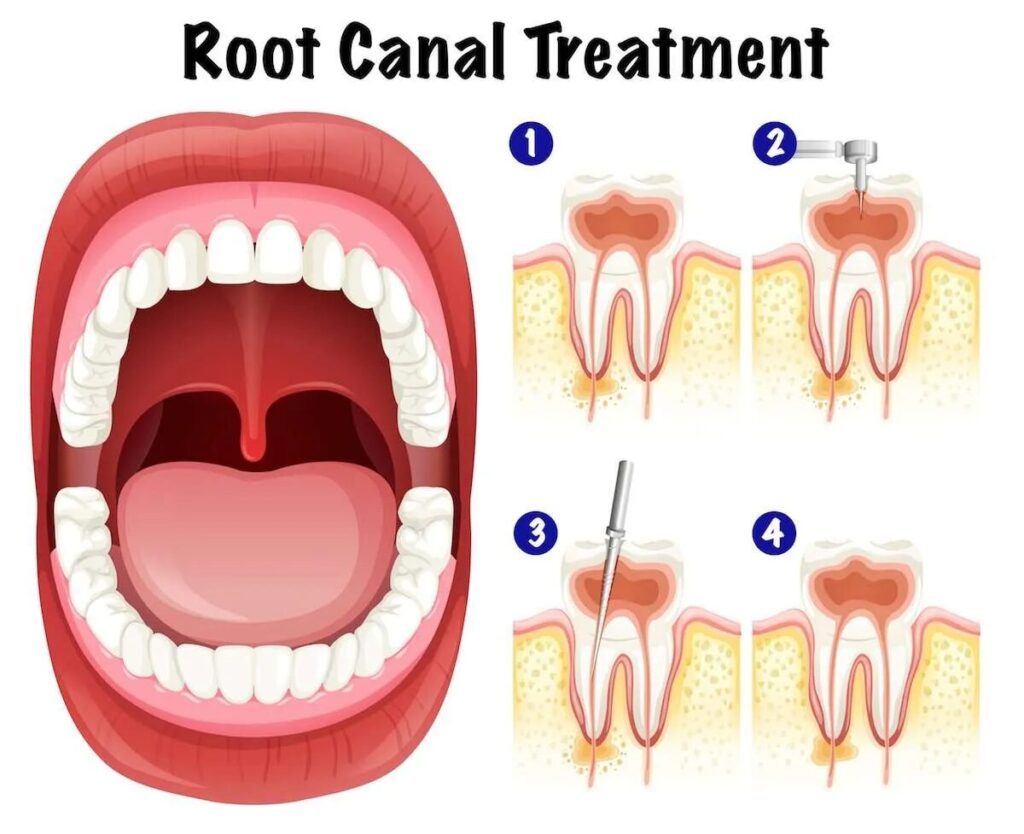
In this treatment, your dentist carefully removes the infected or damaged pulp (the soft tissue inside the tooth containing nerves and blood vessels). The root canal space is then thoroughly cleaned, disinfected, and shaped. Finally, this space is filled and sealed with special materials. To protect the restored tooth from fracture and restore its full function, a dental crown is usually placed over it. This process allows you to keep your natural tooth structure, which is often the ideal alternative to root canal removal.
What It Feels Like (Pain & Comfort)
With modern techniques, a root canal is now a very comfortable procedure. The procedure is performed with strong local anesthesia that eliminates any pain. During the procedure, you might only feel mild pressure, not pain. Recent advancements, such as rotary systems and controlled anesthetics, have made the experience very similar to a deep filling.
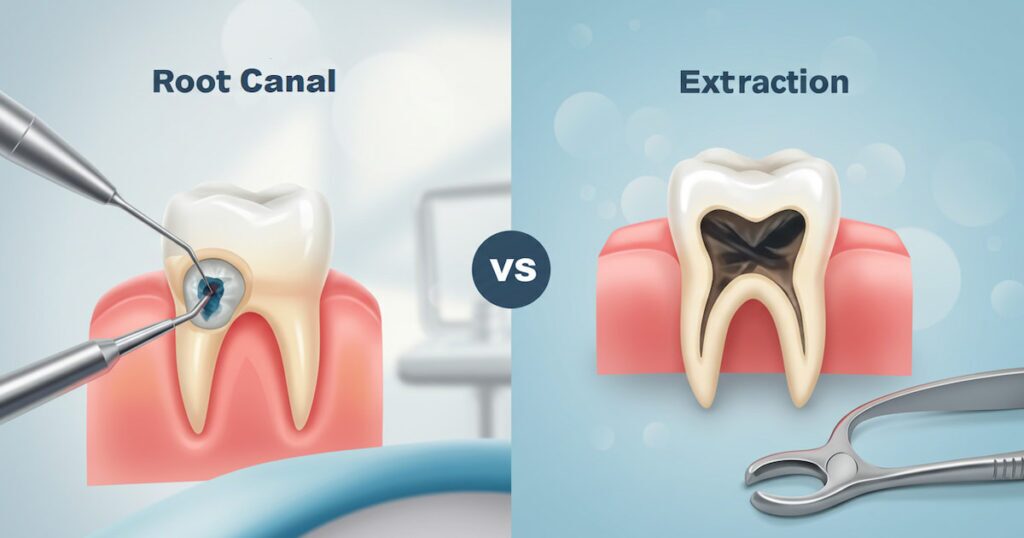
Recovery & Aftercare
After the treatment, it’s completely normal to feel some sensitivity or mild discomfort in the area for 1 to 2 days. This discomfort is usually easily managed with over-the-counter pain relievers. Until the final crown is placed on your tooth, avoid chewing hard foods with it to prevent fracture. Meticulous oral hygiene is also essential to guarantee the long-term success of the treatment.
When You Should Choose a Root Canal
- When the tooth’s core structure is still salvageable.
- When you are experiencing pain from infection or deep decay.
- When you want to preserve your natural smile.
Who Is Not a Candidate
- When the tooth is fractured below the gumline.
- When there is severe bone loss around the root.
- When the tooth has a history of several unsuccessful treatments.
In these cases, extracting the tooth and replacing it with an implant might be a better option. Your dentist will suggest the best solution after a careful examination and X-rays. This professional assessment is key to navigating the decision between tooth removal and a root canal. At our practices in Watertown and Wayland, we provide all the information you need to make an informed decision about root canal vs. extraction, ensuring you feel confident in your care plan.
What a Tooth Extraction Does
A tooth extraction involves the complete removal of a tooth from its bony socket in the jaw. This method is typically considered a last resort when a tooth is beyond repair due to highly advanced decay, severe trauma, or gum disease. This is a fundamental part of the tooth-removal vs. root canal discussion.
Simple vs. Surgical Extraction
- Simple Extraction: Performed for teeth that have fully erupted into the mouth and are easily accessible. The dentist uses a specialized instrument to loosen and remove the tooth from its socket gently.
- Surgical Extraction: Necessary for teeth that are broken off at the gumline, impacted (like many wisdom teeth), or fused to the bone. This procedure requires a small incision in the gum and sometimes the removal of a small amount of bone.
Pain & Healing Expectations
You will not feel pain during the procedure due to local anesthesia. Afterwards, it is normal to experience:
- Pain and discomfort peak within the first 1 to 2 days and then gradually subsides.
- Some mild swelling in the area.
- Initial gum healing takes about 1 to 2 weeks.
This discomfort is usually well-managed with prescribed or over-the-counter pain relievers.
When You Should Choose an Extraction
Knowing when to pull a tooth is key. You should consider this option:
- When a tooth is irreversibly damaged and cannot be restored with a root canal or crown, it is removed.
- When a wisdom tooth is infected or causing crowding and misalignment of other teeth, it is considered a problem.
- When financial constraints make more complex treatments, like dental implants, impossible.
Who Is Not a Candidate
- Patients with uncontrolled systemic diseases like diabetes or bleeding disorders that compromise the healing process.
- Individuals who are unwilling to replace the missing tooth, as this can lead to shifting of adjacent teeth, digestive issues, and deterioration of the jawbone.
Ultimately, the critical decision to save a tooth or extract depends on a professional evaluation of your specific situation. Our team in Watertown and Wayland is here to guide you through this critical decision between root canal therapy and extraction, ensuring you have all the information you need to make an informed decision about your oral health.
Cost Comparison — Which Is Cheaper?
When a tooth needs serious treatment, many patients want to compare the short-term and long-term financial costs. At first glance, one option might seem much more affordable, but considering the future consequences reveals a very different picture. This is a crucial part of the tooth-removal vs. root canal and save-or-remove decision-making process.
Root Canal Cost Range (U.S. Average)
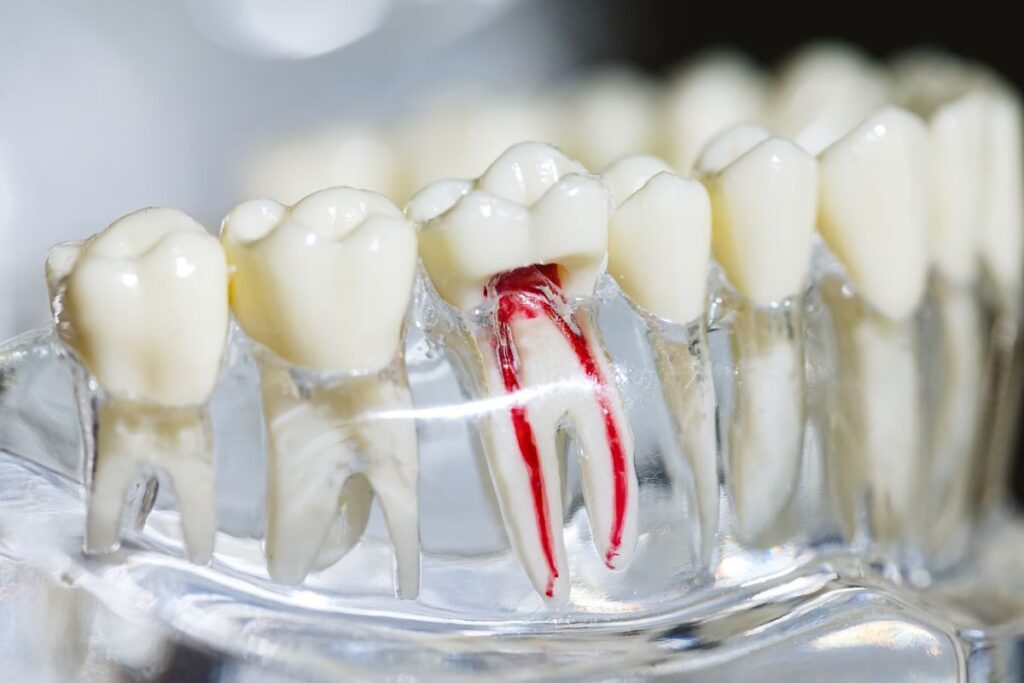
The cost of a root canal is primarily influenced by the tooth’s location in the mouth and the complexity of its root structure. Generally, treating front teeth, which usually have simpler roots, costs less. In contrast, treating molars, due to their multiple root canals and more difficult access, is more costly. This fee typically covers the root canal procedure itself.
Extraction Cost Range
Tooth extraction is divided into two main categories: simple extraction and surgical extraction. A simple extraction, performed on visible, easily accessible teeth, is the lowest-cost immediate option. When a tooth is impacted under the gum, broken, or requires an incision in the tissue, the cost increases due to the greater complexity of the procedure.
Hidden Long-Term Costs
This is the part that completely changes the cost equation and is central to the save-the-tooth-or-extract dilemma.
- Root Canal: This method requires protecting the tooth with a crown in the near future, which is an additional cost. However, this investment preserves the tooth’s full function, prevents bone loss, and maintains the natural alignment of adjacent teeth.
- Tooth Extraction: Although it has a low initial cost, leaving the gap empty can lead to shifting of adjacent teeth, chewing problems, and progressive jawbone deterioration. Replacing a lost tooth with options like an implant or a bridge can, in the long run, cost several times as much as the original extraction.
Summary
In the short term, a tooth extraction is clearly the lower-cost option. However, when you factor in the long-term costs of tooth replacement and the complications from tooth loss, saving your natural tooth with a root canal will often save you thousands of dollars over time and preserve your overall oral health. At D’Amico Dental Care in Watertown and Wayland, we provide a precise analysis of root canal vs. extraction to help you understand the actual value of your investment in a healthy, complete smile.
Pain Comparison — Which Hurts More?
In modern dentistry, outdated notions about root canals being painful are completely obsolete. Using advanced anesthetic techniques, a root canal is performed with virtually no pain today. In contrast, a tooth extraction is typically associated with greater post-operative discomfort, as a larger area of tissue is involved in healing. Among these, complex surgical extractions (such as impacted wisdom teeth) usually create the highest level of post-operative swelling and pain.
Long-Term Effects — What Happens Years Later?
The choice between a root canal and a tooth extraction has vastly different consequences for your long-term oral health. This is a critical factor in the tooth removal vs. root canal decision.
After a Root Canal
With a root canal, you preserve your natural tooth. This tooth can function normally for years or even decades. This not only maintains the natural alignment of your teeth but also prevents deterioration of the jawbone in that area. By making this choice, you proactively avoid future problems.
After an Extraction
An extraction is not a permanent solution; it is the beginning of a gradual change. Once the tooth root is removed, your jawbone will gradually deteriorate in that area. This can lead to adjacent teeth shifting into the space, create problems with biting and chewing, and even alter the appearance of your face. Replacing a lost tooth in the future will always be more complex and costly than preserving the original tooth. This long-term view is essential for anyone weighing a root canal vs extraction.
Alternatives to Root Canal or Extraction
In limited and specific situations, other options may also be available as an alternative to a root canal:
- Pulpotomy: Removal of part of the nerve as a temporary solution for specific teeth.
- Root Canal Retreatment: Repair of a previous root canal treatment that has failed.
- Antibiotics: Only control the infection temporarily and are not considered a definitive treatment.
- Crown Alone: In cases where decay has not reached the nerve.
These options are only applicable in specific cases and must be approved by your dentist.
What to Consider Before Making a Decision
Before choosing between a root canal and a tooth extraction, discuss these factors with your dentist at D’Amico Dental Care in Watertown and Wayland:
- The amount of remaining tooth structure
- A comparison of short-term and long-term costs
- The risk of the infection spreading
- The decision’s impact on your overall oral health
- Your dental insurance coverage
- Your level of dental anxiety (we provide sedation options to ensure a comfortable experience for you)
These criteria will help you make the best decision for your unique situation.
Our treatment protocols, including the superior long-term prognosis of root canal therapy over extraction, are strictly based on the latest peer-reviewed scientific evidence, which you can explore in the clinical trials indexed on PubMed.

Root Canal vs Wisdom Tooth Extraction
Extracting a wisdom tooth is usually the better option, as these teeth often cause problems due to a small jaw or frequent infections. However, for your other teeth, preserving the natural tooth is almost always the healthier choice for your long-term oral health. This is a key consideration in the broader discussion of root canal vs. extraction for non-wisdom teeth.
Root Canal vs Extraction: Our Expert Recommendation
At D’Amico Dental Care in Watertown and Wayland, we believe: “Your natural teeth are far more resilient than any manufactured replacement.” In about 90% of cases, saving a tooth with a root canal treatment leads to better long-term oral and financial health than extraction. This philosophy guides our advice when helping you decide whether to save the tooth or extract.
How D’Amico Dental Care Helps You Choose the Right Option
- Immediate evaluation on the day of your visit.
- Digital X-rays and 3D imaging for precise diagnosis.
- Transparent, unambiguous cost estimates.
- Flexible payment plans.
- Sedation options for anxious patients.
Schedule Your Evaluation Today
Still unsure which option is best for you? Our experienced team will examine your tooth, clearly explain all your options, and help you make the best decision to protect your smile. We are here to guide you through the critical decision to save or remove a tooth.
To book your examination at our offices in Wayland or Watertown, contact D’Amico Dental Care today. Let us help you make an informed choice for your dental health.
D’Amico Dental Care — Watertown & Wayland MA
Ready to Take the Next Step Toward a Healthier Smile?
Schedule your personalized consultation at D’Amico Dental Care today — precise diagnostics, transparent planning, zero pressure.
1. What's the Main Difference Between Them?
Root canal saves your tooth, while extraction obliterates it.
2. Which Procedure is More Painful?
Modern root canals are typically no more painful than extractions, and both procedures use adequate anesthesia.
3. Why Save a Tooth Instead of Removing It?
Preserves bone structure, maintains proper chewing function, and avoids affecting adjacent teeth.
4. Which Option Costs Less Initially?
Tooth extraction costs less upfront, but replacement options like implants or bridges add significant cost later.
5. How Do Procedure Times Compare?
Root canals take longer (60-90 minutes) than simple extractions (20-40 minutes).
6. Which Has a Longer Recovery Time?
Similar recovery times, though extraction sites may take slightly longer to heal completely.
7. How Successful is Each Treatment?
Both are highly successful when performed correctly, with root canals having over 95% success rates.
8. What Follow-up is Needed for Each?
Root canals require a crown after healing, while extractions require tooth replacement.
9. Does Age Affect the Decision?
Yes, younger patients typically benefit more from saving natural teeth when possible.
10. How Do I Decide Between Them?
Consult your dentist based on your tooth's condition, overall health, and long-term dental goals.