Quick Summary
- A dental implant can realistically last decades, even a lifetime, if you follow a precise care routine.
- Regular brushing is not enough. Implants need special floss, non-abrasive toothpaste, and targeted cleaning tools.
- Peri-implantitis is the main cause of implant loss, and it often stays painless until serious damage has occurred.
- D’Amico Dental Care in Wayland & Watertown MA uses guided biofilm removal and annual digital X-rays to detect and prevent problems early.
- Smoking, diet, and grinding your teeth at night strongly influence implant success and bone stability.
A dental implants is not just a replacement tooth. It is a biological system built to live inside your mouth for the long term. That is why many patients feel relieved when the implant is placed, then quietly worry again a few years later: “Will it still be strong? Will it get infected? What if I ruin it by cleaning wrong?”
That concern is normal. The good news is that implant longevity is not random. It follows a pattern. With the right care, you can protect both your smile and your investment with far less stress than most people expect.
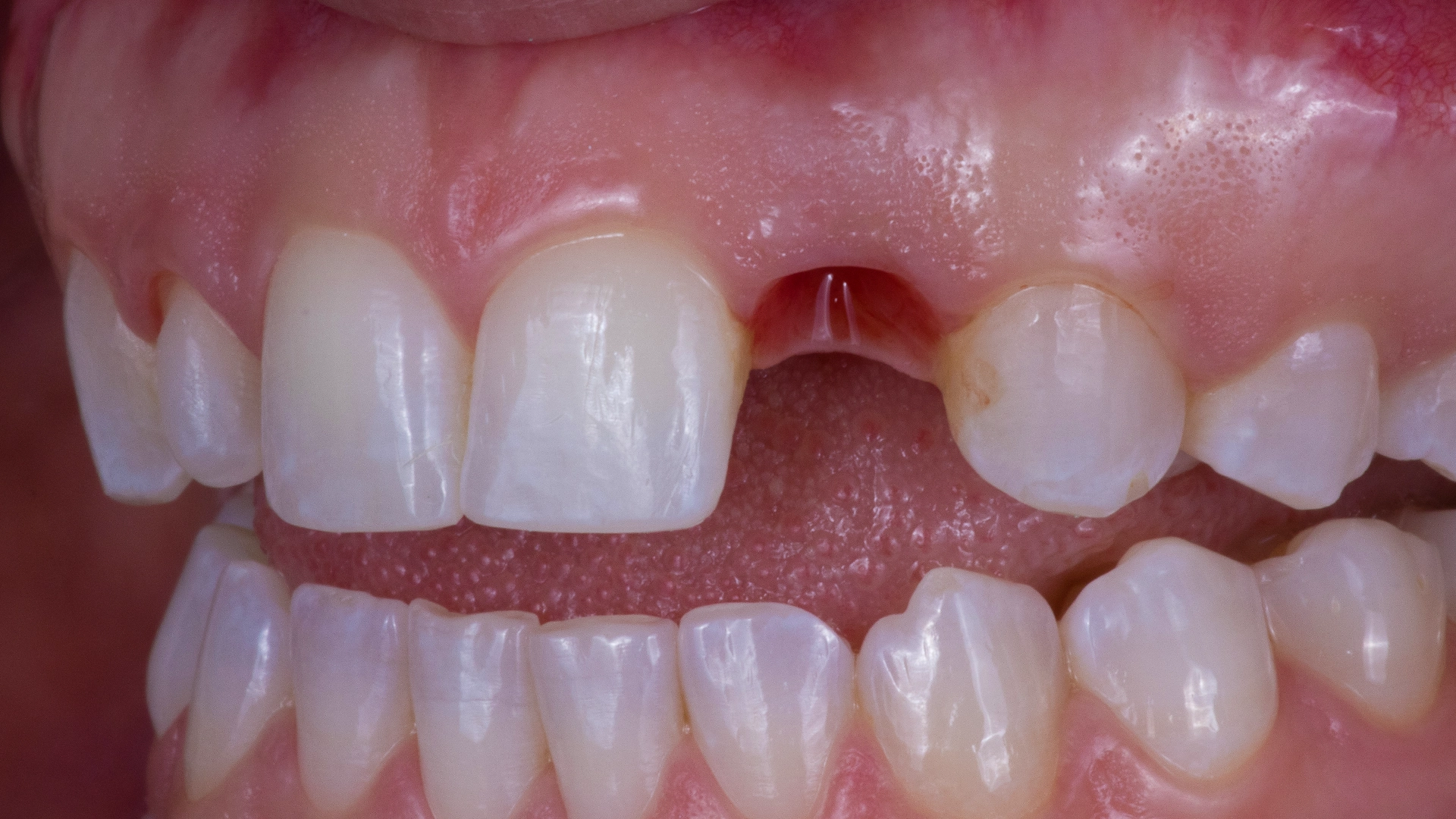
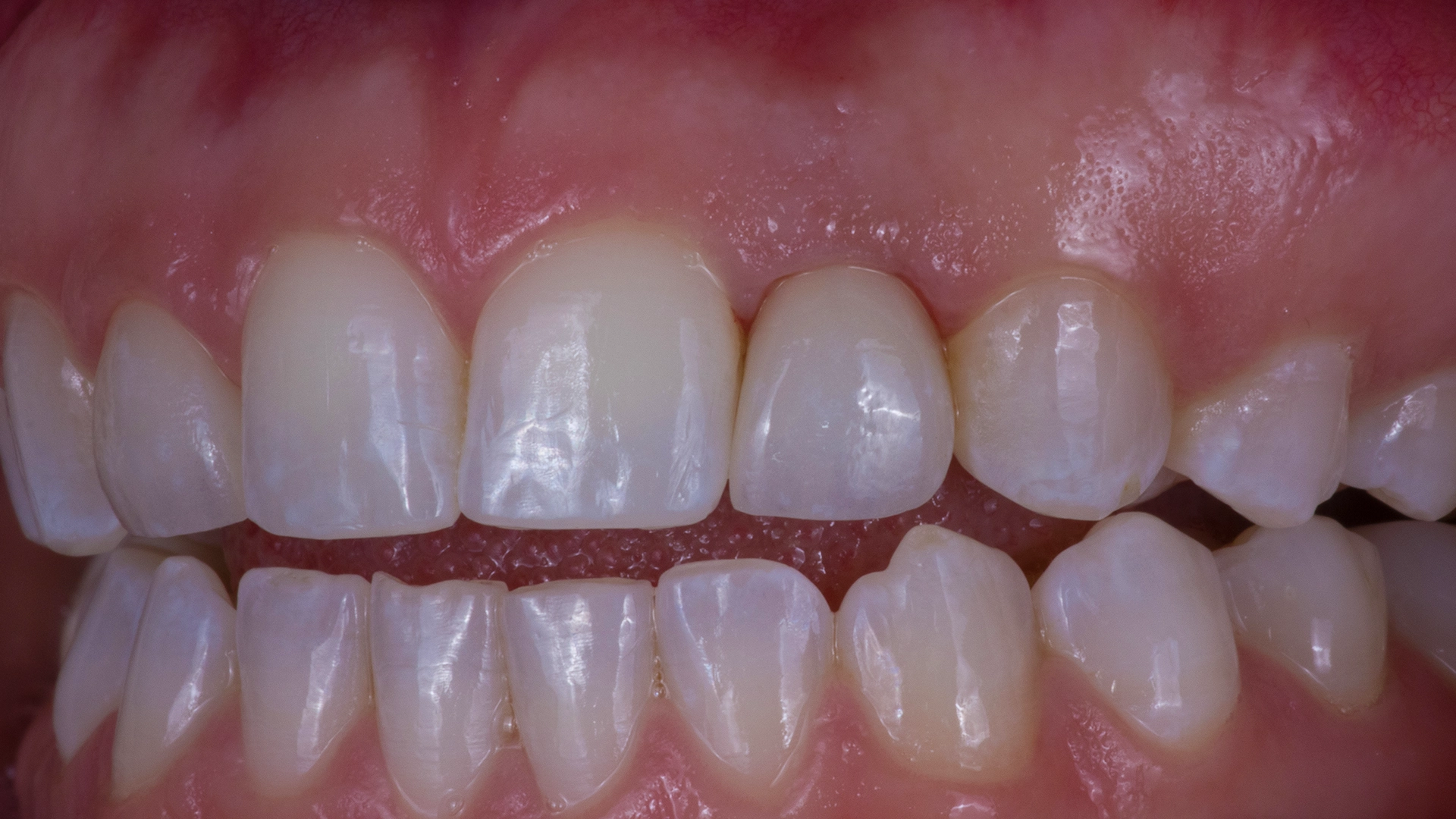
After 5 Years Follow-Up
The “Golden Rules” of Daily Care: It’s Not Just a Tooth, It’s Bio-Technology
The pain most patients feel here is uncertainty. They brush, but they are not sure if they are doing enough. The pleasure is simple: once you understand the system, daily care becomes easy and calming.
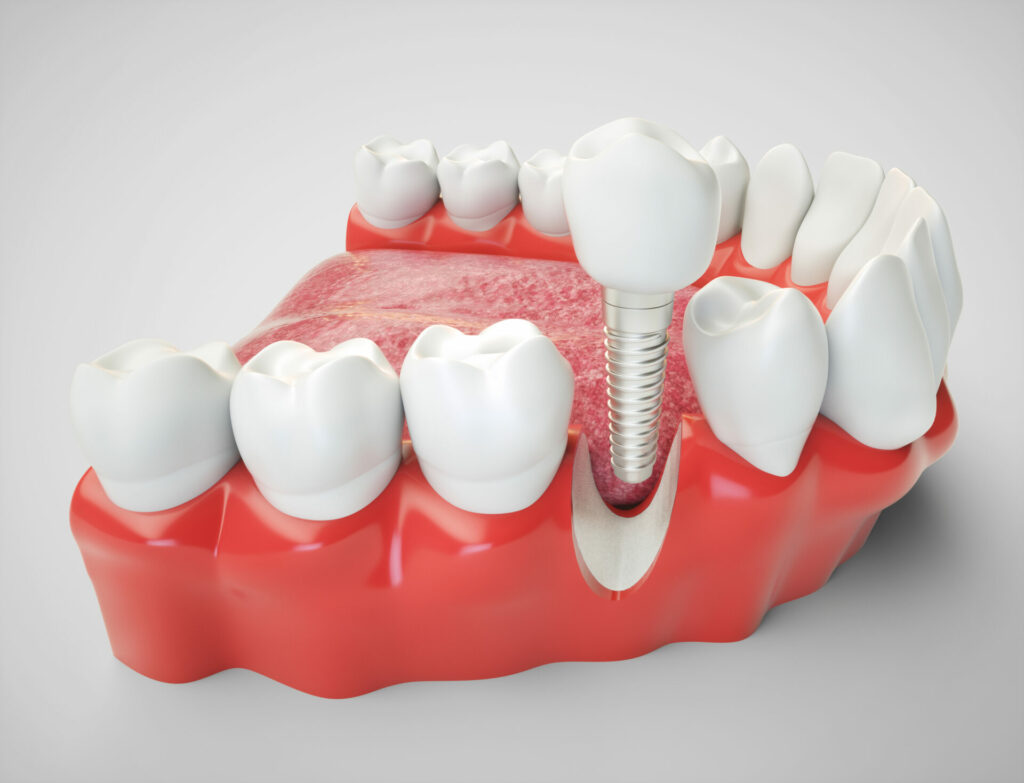
Think of your implant like a high-end bridge. The crown is visible, but the real strength comes from what sits beneath the surface. Plaque can build up around the gum line just like it does around natural teeth, but implant tissue is more sensitive to inflammation. That is why daily biofilm control matters so much.
The Flossing Myth: Why Specialized Implant Floss is Non-Negotiable
Many people in Wayland & Watertown MA assume regular floss is enough. Sometimes it is not. Implant-friendly floss, super floss, or soft interdental brushes can reach the tight spaces around the crown and abutment without scraping delicate tissue.
Ask yourself: if plaque hides where the toothbrush cannot reach, what is protecting that hidden zone? The answer is a targeted cleaning tool, used gently and consistently. In our experience, patients who use the right interdental aid feel more in control and less anxious about “doing it wrong.”
Non-Abrasive Success: Choosing the Right Toothpaste to Protect the Abutment
A common fear is damaging the implant by cleaning too hard. That fear has a simple fix. Choose a non-abrasive toothpaste and a soft-bristled brush. Harsh whitening pastes can wear surfaces and irritate the gum line.
The goal is not to scrub harder. The goal is to clean smarter. That shift often gives patients a real sense of relief, because the routine becomes safe, not stressful.
Water Flossers vs. Manual Brushing: What Our Wayland & Watertown MA Experts Recommend
A water flosser can be a strong helper, especially for patients with limited dexterity, bridges, or multiple implants. It flushes debris from hard-to-see spaces and adds convenience, which makes follow-through more likely.
Manual brushing still matters most for the visible surfaces. The best routine is usually a combination: soft brush, interdental cleaning, and, when helpful, water irrigation. If you are unsure which mix fits your mouth, that is exactly where personalized guidance removes guesswork.
Peri-Implantitis: The Silent Killer of Your Implants
This is the part most websites soften too much. The risk is not the implant itself. It is the inflammation around it. Peri-implantitis is an infection that affects the gum and bone around an implant. Left untreated, it can weaken support and put the implant at risk.
The good news is that early signs are often visible before major damage happens. That means the right response is not panic. It is early action. Patients who catch changes quickly usually have more options and less treatment stress.
The D’Amico Dental Care Maintenance Protocol: Why Our Patients’ Implants Outlast the Rest
This is where our approach becomes different. Most people think home care is enough. Home care is essential, but it cannot remove everything. We use a maintenance protocol that looks beneath the surface, not just at the smile.
The value is not only clinical. It is emotional. Regular maintenance reduces surprise, protects confidence, and helps you stop wondering what is happening under the gum line.
Professional Biofilm Removal: Technology You Won’t Find in Your Bathroom
Biofilm is a sticky layer of bacteria that can cling to implant surfaces. At home, you can reduce it. In the clinic, we can remove it more thoroughly using professional instruments designed for implants.
This matters because implants need careful cleaning. Some tools used on natural teeth are too aggressive for implant surfaces. The right method protects the restoration while helping the tissues stay healthy. That is the kind of detail patients rarely hear, but it changes outcomes.
Annual Radiographic Check-ups: Seeing What’s Happening Beneath the Gum Line
An X-ray can show bone levels, hidden inflammation patterns, and changes you cannot feel yet. That is why yearly radiographs are so important. They help us see the story before symptoms become urgent.
For many patients, this is the moment when fear drops. A short visit, a clear image, and a simple explanation can replace months of uncertainty. That is risk reduction, not just dentistry.
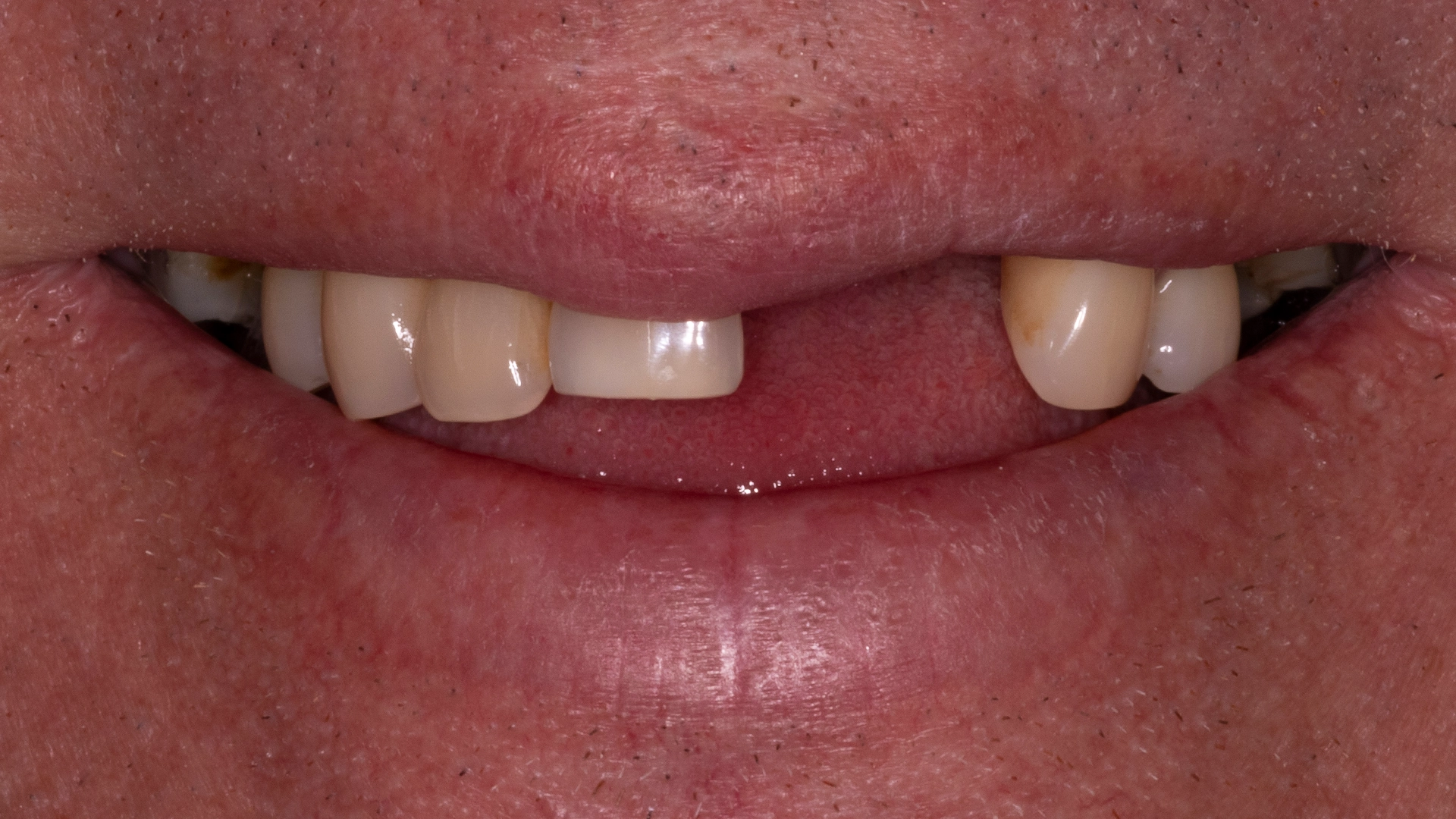
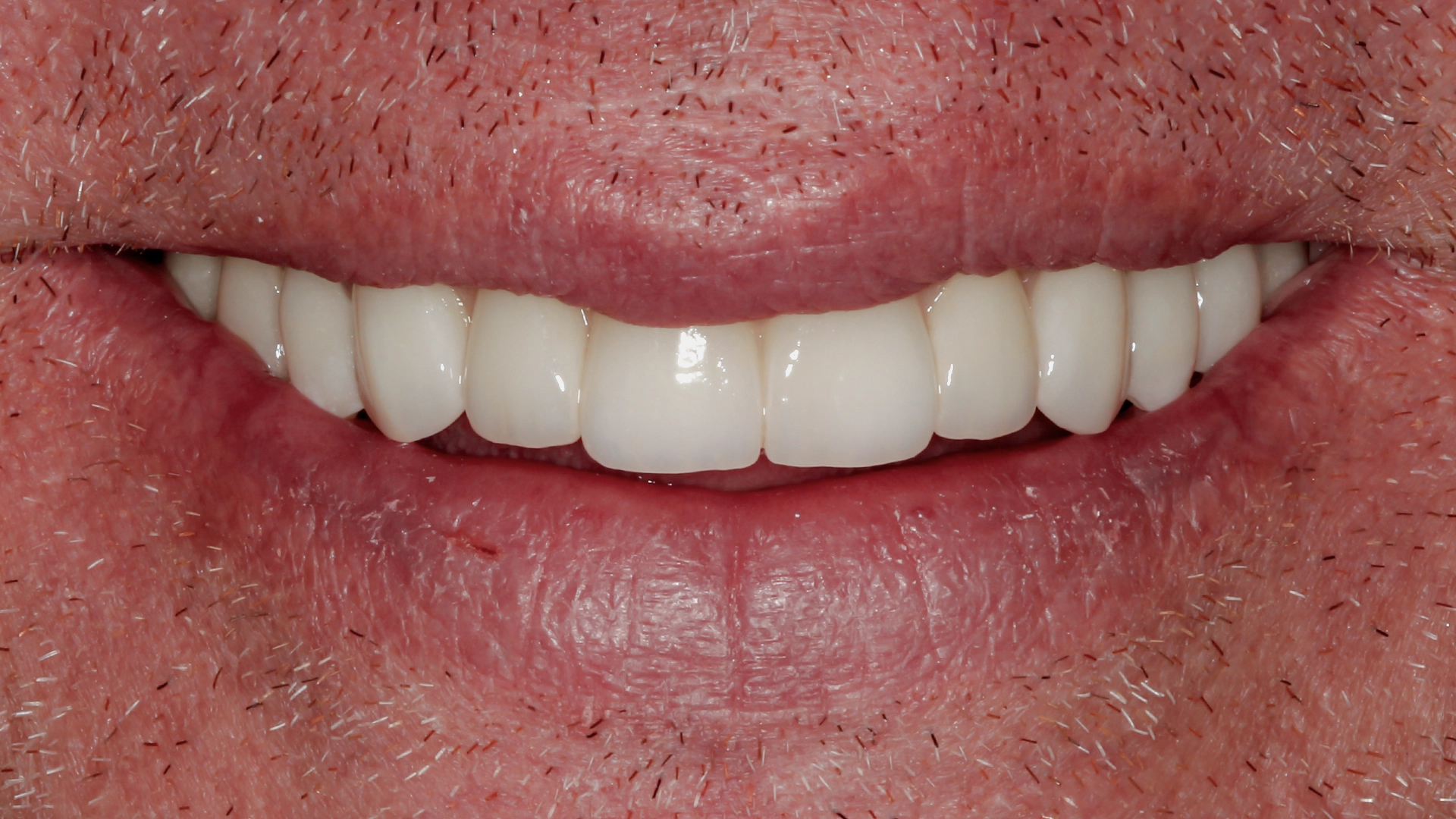
After 5 Years Follow-Up
Lifestyle Choices that Affect Your Smile
Patients often blame themselves too harshly. The truth is more practical: a few habits can put extra pressure on an implant. Once you know them, they become manageable.
Diet and Smoking: The Impact on Bone Density and Integration
Smoking can slow healing and increase the risk of bone loss around implants. A diet very low in protein or essential nutrients can also affect tissue repair and bone support. If your body is rebuilding, it needs the right materials.
This is not about perfection. It is about giving your implant the best chance to stay stable for years. For patients who smoke, even partial reduction is a meaningful step.
Stress and Teeth Grinding (Bruxism): How We Protect Your Crown While You Sleep
Bruxism, or teeth grinding, can place heavy force on an implant crown and surrounding structures. Many patients do not realize they grind until they wake with jaw tension or their partner notices it.
A custom night guard can protect the crown while you sleep. If needed, we may also assess bite forces and adjust the restoration. That is how we turn a silent risk into a controlled one.
What Is the Next Step?
If you haven’t received your dental implants yet and are actively researching the post-treatment journey, it is clear that you are exceptionally detail-oriented, forward-thinking, and committed to making an informed decision. We deeply respect and value that level of care for your health.
To help you design your future smile with absolute confidence, we invite you to book a Complimentary Implant Consultation with us today. Let our experienced specialists evaluate your unique case and map out a precise, worry-free path tailored just for you.
Book Your Complimentary Implant Consultation Today
Book your consultation at D’Amico Dental Care in Wayland & Watertown MA — and discover the safest, most predictable path to a healthy, lasting smile.
[email protected]Frequently Asked Questions About Dental Implant Longevity at D’Amico Dental Care in Wayland & Watertown MA
FAQ 1 — How long does a dental implant really last if I take good care of it?
A dental implant that is correctly placed and consistently maintained can last 25 to 50 years, and in many cases a lifetime. The titanium post itself rarely fails. What determines longevity is the health of the bone and gum tissue surrounding it. Patients who follow a structured home care routine, attend professional maintenance visits every six months, and address lifestyle risk factors such as smoking or bruxism are the ones who reach those long-term milestones. At D’Amico Dental Care in Wayland & Watertown MA, our implant patients with consistent maintenance records show stable bone levels even at ten-year radiographic review.
FAQ 2 — What happens if I skip my implant maintenance appointments for a year or two?
Skipping maintenance creates a window for biofilm to harden into calculus in areas that cannot be reached at home. Within that window, inflammation can silently begin around the implant, triggering early-stage peri-implantitis. The critical problem is that bone loss in this phase produces no pain. By the time symptoms become obvious, several millimetres of supporting bone may already be lost. One or two missed visits rarely cause immediate failure, but they remove the safety net that allows early problems to be caught and reversed before they escalate. Regular visits are not a formality. They are the primary defence mechanism for your implant.
FAQ 3 — Is peri-implantitis reversible, or is it always a sign that the implant will fail?
The answer depends entirely on the stage at which it is diagnosed. Early-stage peri-implantitis, characterised by gum inflammation without significant bone loss, is highly manageable and often fully reversible with professional biofilm removal and improved home care. Moderate peri-implantitis, where measurable bone loss has occurred, can be stabilised and halted, though the lost bone rarely regenerates without surgical intervention. Advanced peri-implantitis with substantial bone loss and implant mobility is the stage where failure becomes likely. This is precisely why annual radiographic monitoring at D’Amico Dental Care is so important. Detecting a 0.5mm change in bone level at year two is a very different conversation to detecting 3mm of bone loss at year five.
FAQ 4 — Can I use whitening or charcoal toothpaste on my dental implant?
No. This is one of the most common and damaging mistakes implant patients make. Whitening and charcoal toothpastes contain abrasive particles designed to polish tooth enamel. The abutment surface of your implant is precision-machined titanium or zirconia, not enamel. Abrasive pastes create microscopic scratches on this surface, and those grooves become permanent shelter for bacteria that no toothbrush can fully remove. Your ceramic crown also does not respond to whitening chemistry, so there is no functional benefit. Use a non-abrasive toothpaste with an RDA (Relative Dentine Abrasivity) score below 70. If you are unsure which product qualifies, bring your current toothpaste to your next D’Amico Dental Care appointment and we will check it for you.
FAQ 5 — How do I know if my implant is starting to fail? What are the early warning signs?
The earliest and most reliable warning signs are often subtle. Watch for any of the following and contact your implant team promptly if you notice them:
- Bleeding around the implant when brushing or flossing, especially if it happens consistently
- Redness, swelling, or puffiness in the gum tissue directly around the implant
- A persistent bad taste or unusual odour near the implant site
- Tenderness when pressing the gum around the implant
- Any sensation of movement or instability in the crown when biting or pressing
Pain is often a late sign, not an early one. The absence of pain does not mean the implant is healthy. If any of these signs appear, a focused clinical examination and targeted digital radiograph at D’Amico Dental Care will give you a clear answer quickly.
FAQ 6 — I smoke occasionally, not heavily. Is my implant still at risk?
Yes, though the risk is lower than for heavy daily smokers. Any level of smoking introduces nicotine and carbon monoxide into the bloodstream, both of which constrict peripheral blood vessels and reduce oxygen delivery to the periosteum, the membrane surrounding your jawbone. This effect impairs the body’s ability to maintain the bone-implant interface and slows tissue healing after any procedure. Clinical evidence consistently shows elevated implant failure rates in smokers compared to non-smokers, even at low frequency. The good news is that the risk is modifiable. Patients who stop smoking, even years after implant placement, show measurable improvements in gum health and bone stability over time. We can build a realistic plan that accounts for your current habits rather than requiring immediate perfection.
FAQ 7 — I grind my teeth at night. Should I be worried about my implant?
Bruxism is one of the most underestimated mechanical threats to implant longevity, and it deserves to be taken seriously. During sleep, grinding forces can reach levels five to ten times greater than normal chewing pressure. Applied repeatedly over months and years, this load can fracture the ceramic crown, fatigue the tiny retaining screw inside the abutment, or create micro-movements at the bone-implant interface that gradually compromise osseointegration.
At D’Amico Dental Care, all implant patients are evaluated for bruxism signs through digital bite analysis and examination of wear patterns on natural teeth. Where risk is identified, we provide a custom-fabricated occlusal night guard designed specifically to protect the implant system while distributing forces across a wider surface. This is not optional extra care. For bruxism patients, it is a core part of the maintenance protocol.
FAQ 8 — What is the difference between a standard dental cleaning and a professional implant maintenance visit?
They address the same general goal, but the instruments, technique, and focus are entirely different.
A standard scale-and-polish uses metal scalers and rotary polishing tools appropriate for natural tooth enamel and root surfaces. These tools are too aggressive for titanium and ceramic implant components and can scratch surfaces in ways that accelerate bacterial adhesion.
Professional implant maintenance at D’Amico Dental Care uses Guided Biofilm Therapy protocol with airflow-powered, implant-safe instruments that remove biofilm and deposits without damaging the implant surface. The appointment also includes targeted radiographic review, probing depth measurements around the implant, and a personalised assessment of your home care technique. It is a medical service visit for a precision device, not simply a cleaning. Treating it as the latter is one of the reasons implants underperform their potential.
FAQ 9 — I live outside Wayland & Watertown MA. Is it worth travelling to D’Amico Dental Care for implant maintenance, or should I go to a local dentist?
Many of our implant maintenance patients travel regularly from Waltham, Weston, Wellesley, Sudbury, Belmont, Newton and Lincoln. The reason is straightforward: implant-specific maintenance using Guided Biofilm Therapy and digital radiographic bone level monitoring is not universally available at every general practice. If your implant was placed at D’Amico Dental Care, your maintenance visits benefit from access to your complete clinical history, your baseline radiographs for direct comparison, and the same clinical team who understand your specific implant system and anatomy.
If you received your implant elsewhere and are looking for specialist maintenance in the Wayland & Watertown MA region, we are equally glad to take over your care with a full initial assessment. Distance rarely proves a barrier once patients understand the value of the service, and many find that combining their D’Amico Dental Care Wayland & Watertown MA visit with a day in the city works well practically.
Ready to Protect Your Implant for Life?
Book your implant longevity consultation at D’Amico Dental Care today.
[email protected]