Quick Summary
- Immediate Bone Loss: Within 12 months, your jaw loses up to 25% of its bone width where the tooth root used to stimulate it.
- Cascading Alignment Issues: Adjacent teeth tilt and drift into the empty space, altering your bite and prematurely aging facial contours.
- Compounding Costs: A straightforward single implant today avoids complex bone grafts, sinus lifts, and orthodontic corrections tomorrow.
- The Modern Solution: Advanced 3D-guided implantology at D’Amico Dental Care in Wayland & Watertown MA restores bite force, preserves natural bone architecture, and protects long-term oral health comfortably.
Losing a tooth often feels like a localized issue, especially if it is hidden in the back. Many patients believe that if the gap is out of sight, it can wait.
The human mouth, however, does not operate as isolated parts. It functions as a finely calibrated architectural biomechanism. When a single anchor goes missing, the entire structural balance begins to shift quietly beneath the surface.
Understanding what happens behind the scenes transforms anxiety into clarity. Here is the clinical reality of delaying tooth replacement, along with the precise pathway to reclaiming your dental implant health.
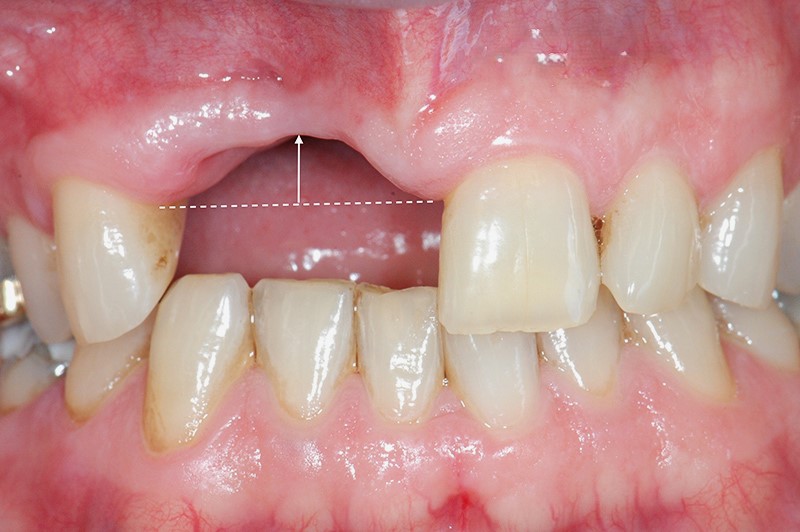
Bone Loss Following Tooth Loss — D’Amico Dental Care
7 Things That Go Wrong When You Delay Replacing a Missing Tooth
1. Your Jawbone Literally Shrinks (Bone Resorption Explained Simply)
Your jawbone requires continuous mechanical stimulation from natural tooth roots to maintain its density and volume. Every time you chew, force travels down the root to signal your body to keep regenerating bone cells.
When a tooth is removed, that vital stimulus stops. Within the first year alone, the surrounding alveolar bone can lose up to 25% of its width. This process, known as bone resorption, continues quietly until the jaw structure becomes thin and brittle.
Replacing the root early with a biocompatible titanium fixture halts this resorption immediately, preserving your natural facial foundation.
2. Neighboring Teeth Start Shifting: Creating New Problems
Teeth rely on each other for physical support. When a space remains empty, adjacent teeth naturally tilt, rotate, and migrate into the open pocket.
At the same time, the opposing tooth in the opposite arch begins to super-erupt, growing downward or upward out of its socket searching for contact. This movement creates food traps, disrupts flossing, and turns straight teeth crooked. Correcting an untreated space later often requires orthodontic alignment before any replacement can even begin.
3. Your Bite Changes and So Does Your Face Shape
Your teeth determine your lower facial height and balance your temporomandibular joints (TMJ). As teeth shift into a missing space, your bite collapses unevenly.
This misalignment puts irregular strain on your jaw joints, triggering chronic morning headaches, neck tension, and clicking sounds. Over time, progressive bone loss reduces the distance between your nose and chin, leading to premature skin sagging and thinning lips around the mouth.
4. Gum Disease Gets an Open Invitation
Tilted and crowded teeth create hidden, tight angles that standard toothbrushes cannot reach. Plaque and anaerobic bacteria settle deeply into these new crevices, inflaming periodontal tissues.
What starts as localized bleeding quickly evolves into active periodontal disease. This insidious infection attacks the bone support around remaining healthy teeth, jeopardizing your entire dentition over time.
5. Chewing Becomes Harder And Your Digestion Pays the Price
Subconsciously, your brain redirects your chewing pattern to the unaffected side. This habit creates muscular imbalance while forcing you to swallow larger, poorly broken-down food particles.
Your stomach must work significantly harder to digest unchewed nutrients, often leading to acid reflux, bloating, and suboptimal nutrient absorption. True systemic health begins with effortless, balanced mastication.
6. Your Confidence Takes a Hit You Don’t Even Notice
Patients often adapt to tooth loss through subtle behavioral compensations. You might catch yourself covering your mouth when laughing, smiling with closed lips, or choosing softer foods at social dinners.
This quiet social hesitation gradually increases social fatigue. Restoring a missing tooth does far more than fill an empty space; it returns the subconscious freedom to express joy without second-guessing your smile.
7. The Longer You Wait, the More Expensive It Gets
An untreated dental gap is never a static condition. It is an active domino effect.
A single missing tooth addressed promptly requires one straightforward, minimally invasive procedure. Left untreated for years, that same space may require bone grafting, sinus augmentation, gum therapy, and adjacent crowns just to restore baseline stability.
“I’ll Do It Later” The Most Expensive Sentence in Dentistry
Postponing dental care rarely feels like an active financial decision, yet biological changes compound over time.
Immediate Replacement:
[ Tooth Loss ] ──────> [ Single Dental Implant ] ──────> [ Full Restoration ]
Delayed Replacement (2+ Years):
[ Tooth Loss ] ──> [ Bone Resorption + Teeth Drift ] ──> [ Bone Graft + Aligners + Implant ]
Real Cost Comparison: Replacing a Tooth Now vs. After 2 Years of Waiting
| Clinical Requirement | Action Taken Within 3 Months | Action Taken After 2+ Years |
|---|---|---|
| Bone Density Status | Healthy, preserved volume | Significant bone resorption |
| Required Procedures | Single implant placement + crown | Bone graft / sinus lift + implant + crown |
| Adjacent Teeth Status | Upright and stable | Tilted (may require realignment) |
| Treatment Timeline | 3 to 4 months total healing | 6 to 12 months multi-stage treatment |
| Financial Investment | Baseline, predictable investment | Significantly higher due to secondary surgeries |
Treating tooth loss promptly is the most predictable way to protect both your anatomy and your wallet.
Your Replacement Options at D’Amico Dental Care
Every mouth is unique, and no single solution fits every lifestyle. Here is an honest, transparent breakdown of how modern restorative options compare.
Dental Implants: The Gold Standard (and Why We Prefer Them)
A dental implant is the only restorative treatment that replaces both the crown and the root. Made of medical-grade titanium or zirconia, the implant integrates permanently into the jawbone, halting bone loss completely.
- Preservation: Leaves adjacent healthy teeth completely untouched.
- Longevity: Designed to last decades with standard hygiene.
- Feel: Restores 99% of natural chewing efficiency with zero movement.
Dental Bridges: When They Make Sense
A bridge uses adjacent teeth as anchors to suspend an artificial tooth over the gap.
While bridges deliver a fixed, natural-looking result without bone surgery, they require filing down the protective enamel of healthy neighboring teeth. Bridges also do not stimulate the underlying bone, meaning resorption will continue beneath the pontic. They remain an effective option when neighboring teeth already require full-coverage crowns.
Partial Dentures: A Temporary Fix, Not a Solution
Removable partial dentures clasp onto existing teeth to hold a prosthetic tooth in position.
They provide an accessible short-term cosmetic fix, but they place mechanical stress on anchor teeth and accelerate gum irritation. Most patients find them less stable for chewing, making them an ideal transitional step rather than a permanent restoration.
Same-Day Teeth: Is It Really Possible? (Yes, Here’s How We Do It)
Thanks to guided digital protocols, eligible patients can walk into our dental practice and leave the very same day with a secure, aesthetic provisional tooth.
By utilizing computer-guided surgical templates and instant CAD/CAM milling, we place the implant and temporary crown in a single comfortable appointment, ensuring you never face the world with an empty gap.
Why Patients Across Wayland & Watertown MA Trust D’Amico Dental Care for Tooth Replacement
At D’Amico Dental Care, we have redesigned the patient journey to eliminate the traditional fear and friction associated with dental surgery.
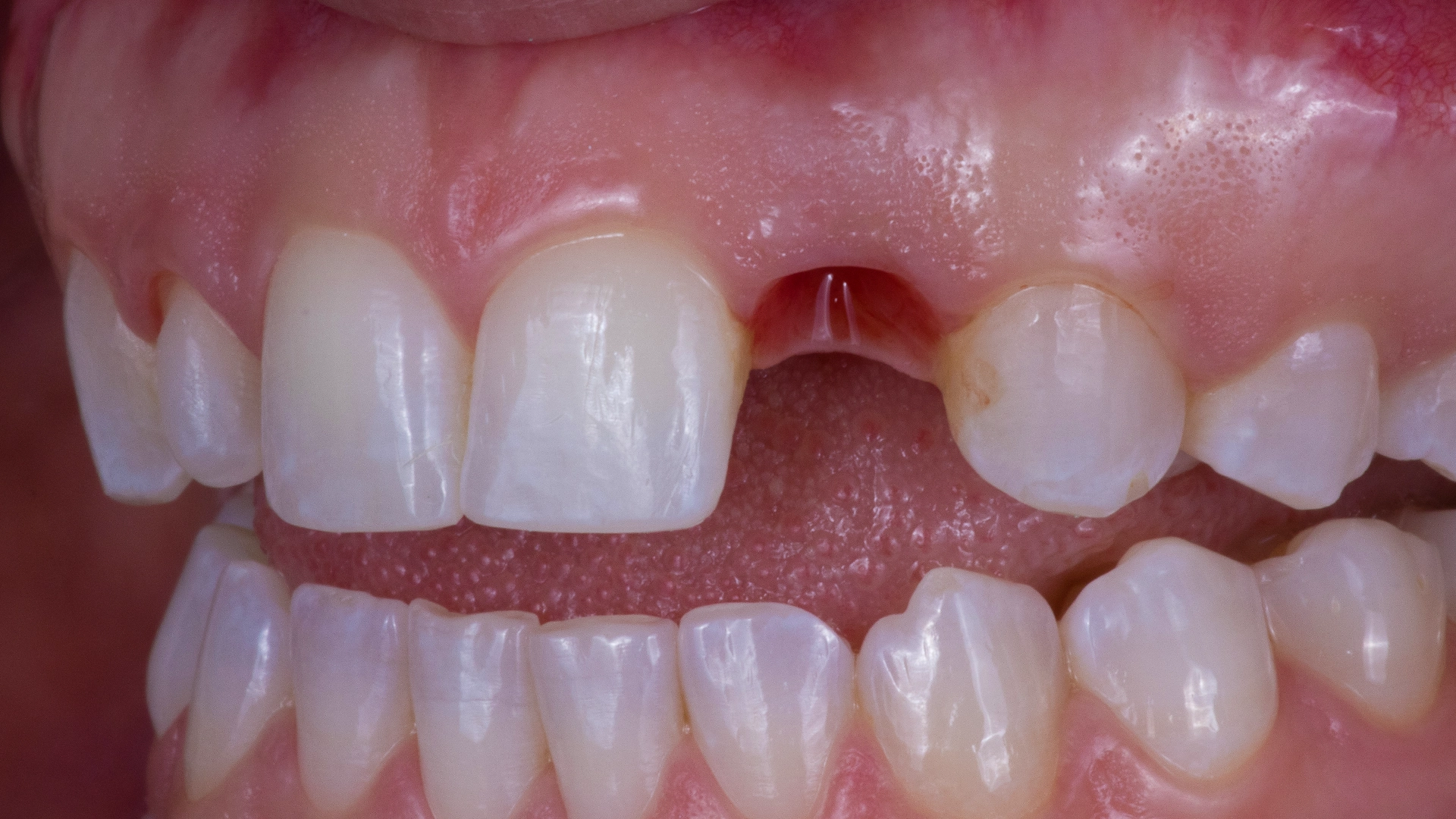
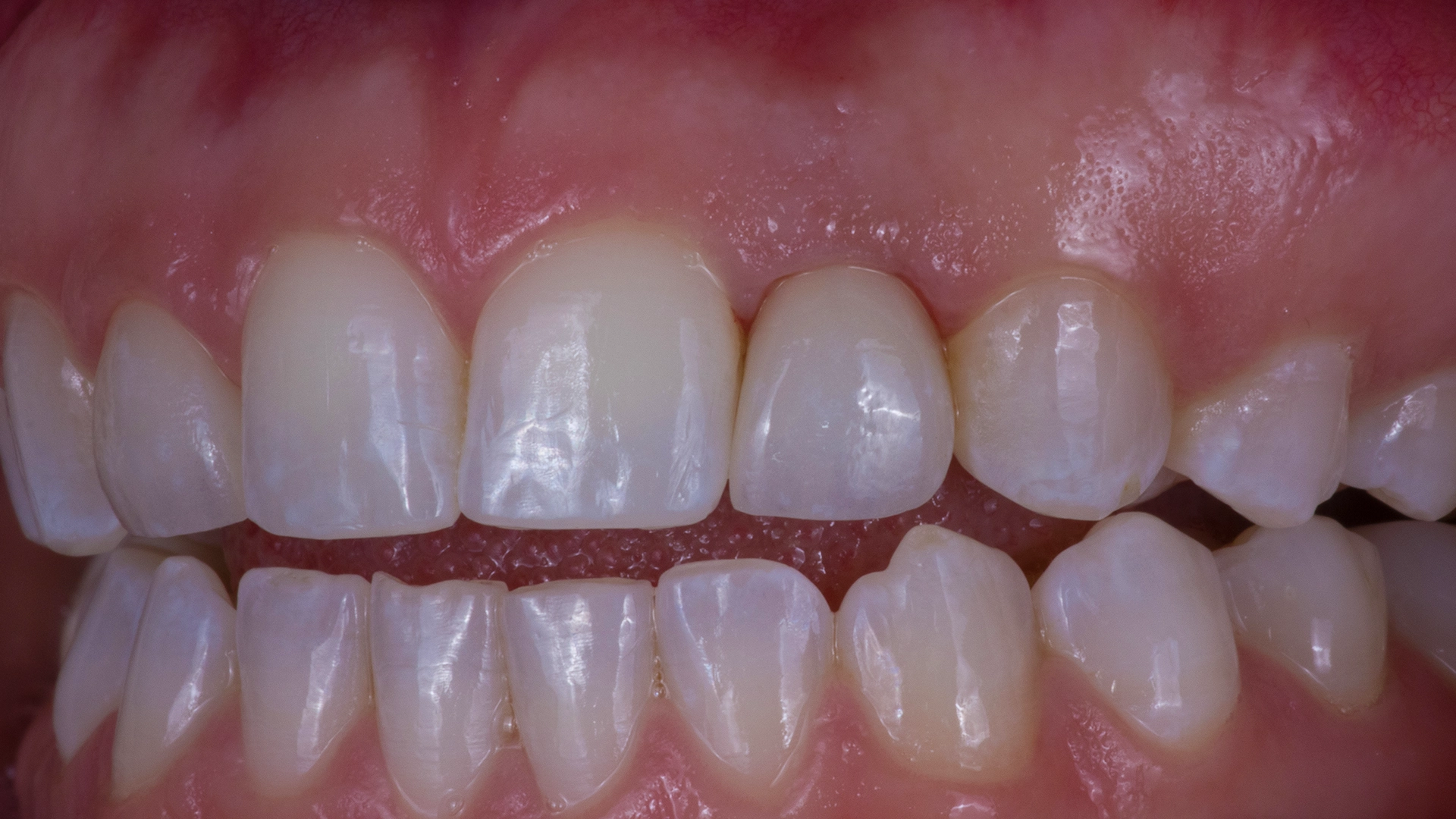
Real Patient Results — D’Amico Dental Care Tooth Replacement
Advanced 3D Imaging for Precise Implant Placement
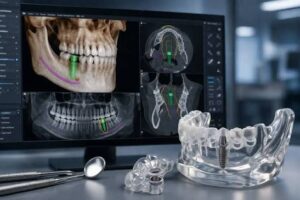
We utilize high-resolution Cone Beam CT (CBCT) scanning and intraoral digital scanners to map your jaw anatomy down to the sub-millimeter.
We plan your entire procedure virtually before touching a single instrument. This precision means smaller incisions, zero guesswork, minimal post-treatment swelling, and remarkably fast recovery times.
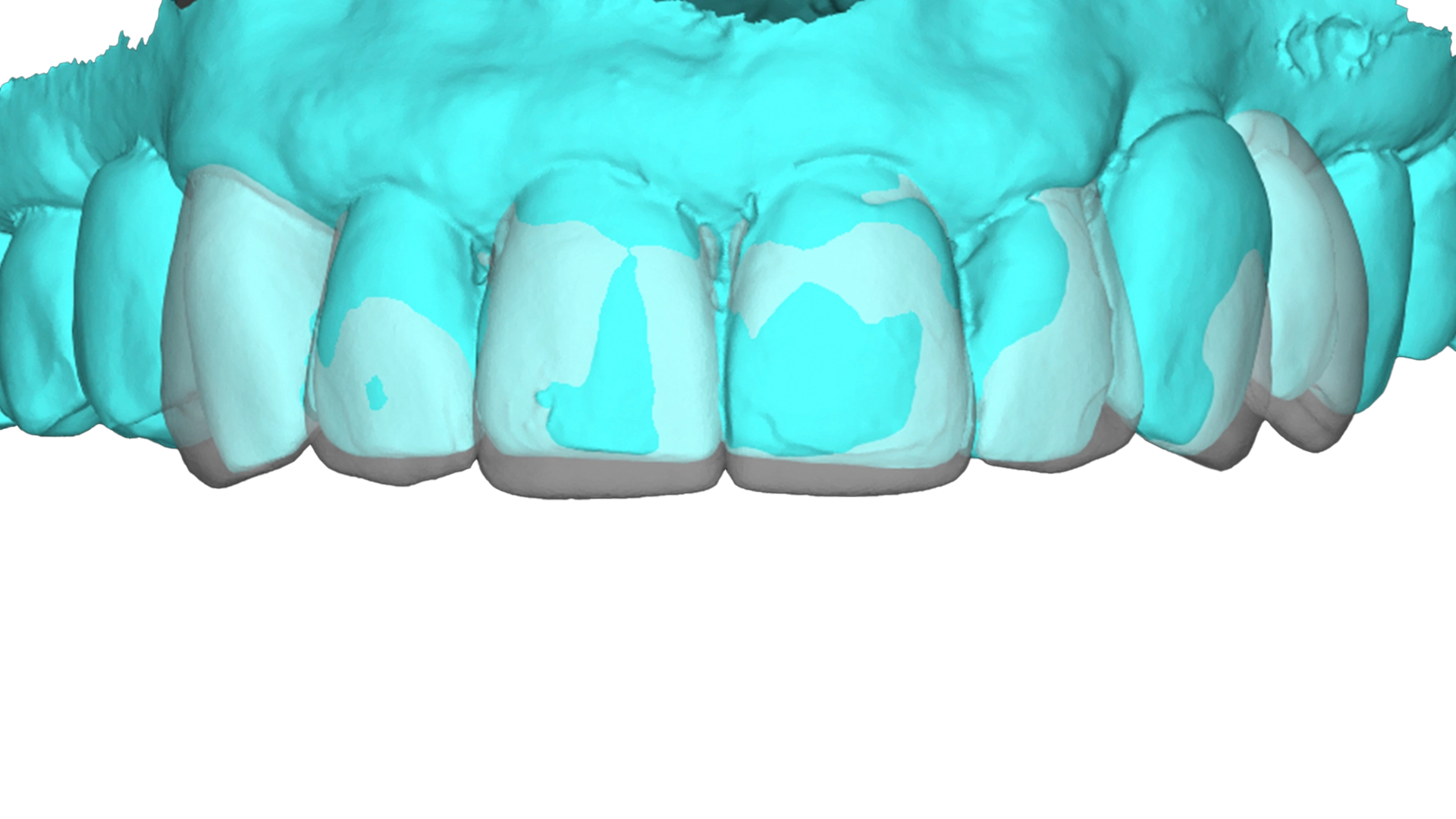
3D Digital Implant Planning — D’Amico Dental Care
Flexible Payment Plans So Cost Never Stops You
World-class restorative dentistry should be accessible. We provide clear, itemized fee schedules with zero hidden extras, alongside manageable monthly payment plans tailored to your budget. You can secure your oral health today without financial strain.
Still Thinking About It? Take This 60-Second Self-Assessment
If you have been living with a missing tooth, check whether any of these subtle changes have already begun:
5 Warning Signs You’ve Already Waited Too Long
- Food Packing: Food consistently gets trapped between teeth adjacent to the gap.
- Chewing Bias: You catch yourself chewing exclusively on one side of your mouth.
- Tooth Mobility or Tilting: Neighboring teeth look slightly angled or feel different when your bite closes.
- Gum Sensitivity: The gum tissue around the empty area bleeds or feels tender during brushing.
- Jaw Fatigue: You notice dull tightness near your ear or jaw joints upon waking.
If you checked even one of these signs, your mouth is actively adapting to the missing space. Intervening now stops further structural wear.
Book Your Free Missing Tooth Consultation at D’Amico Dental Care
What Happens During Your First Visit
- Gentle Digital Scan: A fast, painless 3D scan of your mouth with no messy impression trays.
- Structural Analysis: A clear, visual explanation of your bone level and adjacent teeth on an interactive monitor.
- Transparent Options: An open conversation covering every viable treatment pathway, timeline, and exact cost.
Protect Your Smile — Book Your Free Missing Tooth Consultation
Protect your natural smile, restore your chewing power, and regain permanent confidence with our gentle specialist team.
[email protected]FAQ
Is it too late to get a dental implant if my tooth has been missing for years?
It is almost never too late to restore your smile. While the jawbone naturally shrinks over time without tooth root stimulation, modern regenerative dentistry offers predictable solutions. Through gentle bone augmentation or sinus lifting, our specialists can rebuild your natural foundation. During your digital assessment at D’Amico Dental Care, our 3D CBCT imaging evaluates your exact bone density in seconds and maps out the safest, most stable path to place your implant securely.
Does getting a dental implant hurt during or after the procedure?
Most patients are pleasantly surprised to discover that placing a dental implant is significantly gentler than a standard tooth extraction. Because the jawbone itself has very few nerve endings, you feel zero sharp pain during treatment under targeted local anesthesia. For patients who feel anxious, we provide relaxing sedation options. Afterwards, any mild tissue tenderness is easily managed with regular over-the-counter pain relief for a couple of days.
How much does a dental implant cost at D’Amico Dental Care in Wayland & Watertown MA, and are payment plans available?
The investment for tooth replacement depends on your individual anatomical needs, such as whether pre-implant bone conditioning is required. Rather than guessing, we provide a 100% transparent, itemized treatment quote during your initial consultation with zero hidden costs. To make world-class dentistry accessible, D’Amico Dental Care offers flexible, interest-free monthly financing options that allow you to safeguard your oral health without budget stress.
I live outside Wayland & Watertown. Can I still receive tooth replacement treatment at D’Amico Dental Care?
Yes, absolutely. While our modern practices are conveniently located in Wayland and Watertown, MA, we regularly welcome and treat patients traveling from communities across MetroWest and Greater Boston, including Newton, Waltham, Weston, Sudbury, Natick, Framingham, and Belmont. Our streamlined digital workflow allows us to combine advanced 3D diagnostic scans and precision surgical planning into fewer visits, making your dental implant treatment seamless, efficient, and predictable, even if you are commuting from across the region.
Can I just leave the gap alone if the missing tooth is in the back and does not show?
While a missing back molar might seem harmless cosmetically, it bears the heaviest mechanical load during chewing. Leaving that space open forces adjacent teeth to tilt inward and opposing teeth to over-erupt out of their sockets. This silent imbalance eventually triggers jaw joint strain (TMJ headaches), increases wear on your front teeth, and leads to progressive bone erosion. Replacing back teeth is essential for structural stability and digestive wellness.
How long does the complete dental implant process take from start to finish?
A conventional single implant typically takes between three to six months. This period allows natural osseointegration, where your jawbone fuses permanently around the titanium post. For eligible patients with optimal bone density, we also offer immediate same-day restorations, allowing you to walk out with an aesthetic temporary tooth on the exact day of surgery. Your customized digital roadmap will outline your precise timeline before we begin.
What is the difference between a dental bridge and an implant, and which is better?
A bridge suspends an artificial tooth by permanently grinding down the protective enamel of two healthy neighboring teeth. While quick, bridges do not stimulate the jawbone beneath the gap, meaning bone loss continues underneath. A dental implant functions independently like a natural root, preserving your jawbone without touching adjacent teeth. For these clinical reasons, implants represent the gold standard for long-term health and preservation.
How long do dental implants last once they are placed?
When planned with advanced 3D guidance and cared for properly, dental implants are designed to last for decades, and often an entire lifetime. The biocompatible titanium post permanently integrates with your bone tissue. Maintaining your implant is as simple as caring for natural teeth: daily brushing, flossing with dedicated floss or interdental brushes, and visiting D’Amico Dental Care for routine professional cleanings twice a year.
Ready to Restore Your Missing Tooth?
Book your free consultation at D’Amico Dental Care in Wayland & Watertown MA today.
[email protected]