Quick Expert Summary
If you are wondering whether dental implants are safe for you, the answer depends on several medical and lifestyle factors.
Dental implants may be contraindicated for:
- Patients with uncontrolled systemic diseases (e.g., uncontrolled diabetes)
- Individuals undergoing active cancer treatment
- People with severe bone metabolism disorders
- Heavy smokers (10+ cigarettes daily)
- Patients with severe bruxism (teeth grinding)
- Those with poor oral hygiene or untreated gum disease
- Growing adolescents
- Patients with poor compliance or unrealistic expectations
Some conditions are temporary rather than permanent contraindications, such as pregnancy or active infections.
At D’Amico Dental Care in Wayland & Watertown MA, every implant candidate undergoes a comprehensive medical and dental risk assessment to ensure the safest and most predictable outcome.
I like it, the place is clean, you can make yourself a coffee to wait, my boyfriend got an implant and the professionalism was excellent, I have no complaints about it, the doctor’s work was impeccable and we were given a term to pay $ 5000

Dr. D’Amico always makes sure his patients are happy prior leaving the office. I had an implant done, and Dr. D’Amico made sure it has a perfect cut and shade before cementing it permanently. He has high quality equipment, materials, and professional staff that make the office an excellent practice. I highly recommend it to anyone who is looking for a great dentist, friendly staff and top-quality equipment that makes the appointment goes way less painful, much faster, and very precise.
I heard about D’Amico Dental Care on 98.5 The Sports Hub and decided to give them a try! They are located right on Main Street in Watertown, with a huge building and plenty of parking. The office is very impressive, filled with the latest technology and friendly staff. My first appointment with Dr. D’Amico was a comprehensive evaluation, and I could immediately appreciate his expertise, honesty, and recommendations. From there, I setup a cleaning a few days later, and it was one of the most thorough cleanings I’ve ever had. I highly recommend if you are looking for a new dentist, have new or different insurance, or need a crown/implant. You can tell Dr. D’Amico has put a lot of time and effort into making his practice stand out in every aspect of patient experience, so go check it out – you’ll be very impressed!
BEST dental office I’ve ever visited, and that’s from someone that works in a hospital, but was terrified of dentist visits all my life.. 🙂 I have many complex issues (most stemming from the Eastern European dentistry of limited resources in my youth, and some from me just not seeing dentists regularly later on….). When I moved in the area I looked for an experienced dentist, preferably with academic connections. Dr D’Amico is faculty at Tufts Dental School. He competently took care of all my problems, explained me the options for each issue, and helped me chose the best solution. He also has an in-office machine can make these great looking ceramic crowns in few hours, and a computerized local anesthesia machine that makes all procedures practically pain free. So far, I had a small bone graft in the lower jaw followed by an implant, some fillings, a ceramic crown – and results are just amazing. I had regular hygienist visits every 3 months with Dawn, she is excellent ! I was referred for other procedures to an excellent oral surgeon in the area. Dr D’Amico’s office staff – special mention to Anna and Eva – is very competent, friendly and warm. Most of all, I can’t believe I am not stressed out when I go to my dental visits… Very highly recommended for anyone that can identify with my story !
First time patient at Dr D’Amico Dental Care in Watertown. Very pleased with the service from the Technicians & the front desk employee! Found Dr Daniel very pleasant to talk too & explained everything thoroughly. Very happy with results!
The first time I went to D’Amico was to get acquainted, get current with xrays and tell my woeful story of letting go of my dental care for years. I was met with compassion, concern and reassurance. I was smitten by the staff, Dr. Chris, and very taken by the immaculate, modern facility. Many clinicians across different fields hesitate to invest in equipment that both improves their performance and the patient’s experience. I worked in the medical field in communications, and I’ve seen lots of variations on both poor and quality care. This place is topnotch. Period. Today, they literally brought me to tears. My first cleaning in years. Angela was thorough, kind, super aware, and truly the best dental hygienist I’ve ever seen. She is a perfect match for this practice that is friendly to the fearful and truly on top of dental practice advances. It has been years and I will return. This gifted group is poised to help me turn my dental health around. I am grateful.
Why Dental Implants Are Not Suitable for Everyone
In most cases, dental implants are the closest thing modern dentistry has to replacing a natural tooth.
But here is something most clinics rarely say clearly:
Dental implants are not the right solution for every patient.
This isn’t a limitation of the technology.
It’s a matter of biology, healing capacity, and long-term safety.
The goal of ethical implant dentistry is not simply to place implants.
The goal is to place them only when success is highly predictable.
Because a failed implant costs far more than money. It costs time, health, and confidence.
Understanding who should NOT receive dental implants is actually one of the smartest steps toward protecting your smile.
And interestingly, many patients who initially think they are not candidates actually become candidates once the right conditions are created.
We’ll explain exactly how.
Are Dental Implants Safe for All Patients?
Imagine two patients. One is healthy, with good bone quality and excellent oral hygiene. The other has uncontrolled diabetes, smokes heavily, and has untreated gum disease. Both want implants. Technically, an implant could be placed in both patients.
But only one case has predictable long-term success.
Dental implants depend on a biological process called osseointegration. Osseointegration means the titanium implant fuses directly with the jawbone, creating a stable artificial tooth root.
For this fusion to happen, the body needs healthy bone metabolism, adequate blood supply, controlled inflammation, and proper healing ability.
When these conditions are compromised, implant failure risk rises significantly.
This is why responsible implant dentistry always starts with patient selection, not surgery.
What Does “Contraindicated” Mean in Implant Dentistry?
In medicine, a contraindication means a condition where a treatment should not be performed because the risks outweigh the benefits.
In implant dentistry, contraindications fall into three categories:
- Absolute Contraindications – Implant treatment should not be performed.
- Relative Contraindications – Treatment may be possible with special management.
- Temporary Contraindications – Treatment should be delayed until conditions improve.
This classification helps dentists make evidence-based decisions, guided by clinical research and international implantology guidelines.
Absolute Contraindications — Patients Who Should NOT Receive Dental Implants Under Any Circumstances
These situations are rare, but when they occur, implant placement becomes medically unsafe.
A responsible clinic will always prioritize long-term health over performing a procedure.
Patients With Uncontrolled Systemic Diseases
The mouth is not separate from the body. Conditions affecting systemic health directly influence bone healing and immune response.
Dental implants are generally contraindicated in patients with poorly controlled systemic diseases, including:
- Uncontrolled diabetes mellitus
- Severe immune disorders
- Advanced cardiovascular instability
- Severe bleeding disorders
For example: A patient with poorly controlled diabetes may experience delayed wound healing and higher infection risk. The implant may fail to integrate with the bone. However, when diabetes is well controlled, implant success rates become comparable to healthy patients.
Patients Undergoing Active Cancer Treatment
Cancer treatments such as chemotherapy, radiotherapy, and targeted therapies can significantly affect the body’s healing capacity. Radiotherapy to the head and neck area may also increase the risk of osteoradionecrosis.
For patients currently undergoing cancer therapy, implant placement is generally postponed until treatment is completed, the oncologist confirms safe healing conditions, and bone health has stabilized.
Your oncologist and implant dentist must collaborate closely. Safety always comes first.
Severe Bone Metabolism Disorders
Dental implants rely on stable bone remodeling. Conditions that disrupt bone metabolism may prevent proper implant integration. Examples include advanced osteoporosis with certain medications, osteomalacia, and metabolic bone diseases.
Particularly important are intravenous bisphosphonate medications, which may increase the risk of medication-related osteonecrosis of the jaw (MRONJ).
This is why a complete medication review is a mandatory part of implant planning.
Relative Contraindications — Patients Who May Not Be Suitable Without Special Management
These conditions do not automatically prevent implants. However, they increase the risk of complications. Proper preparation and lifestyle adjustments can often transform these patients into excellent candidates.
Heavy Smokers (More Than 10 Cigarettes Per Day)
Smoking reduces blood flow and interferes with healing. Nicotine causes vasoconstriction, limiting oxygen delivery to the surgical site. Research consistently shows higher implant failure rates, increased infection risk, and greater bone loss around implants.
Patients who smoke more than 10 cigarettes daily face significantly higher complications. But many smokers successfully receive implants after reducing or stopping smoking, improving oral hygiene, and following strict postoperative care.
Patients With Severe Bruxism (Teeth Grinding)
Bruxism creates intense mechanical stress on teeth. Dental implants lack the natural shock-absorbing ligament that natural teeth have. When excessive forces occur during grinding or clenching, implant screws may loosen, ceramic crowns may fracture, and bone loss may develop.
However, this risk can often be controlled through night guards, occlusal adjustments, careful implant positioning, and reinforced prosthetic materials.
Poor Oral Hygiene and Active Periodontal Disease
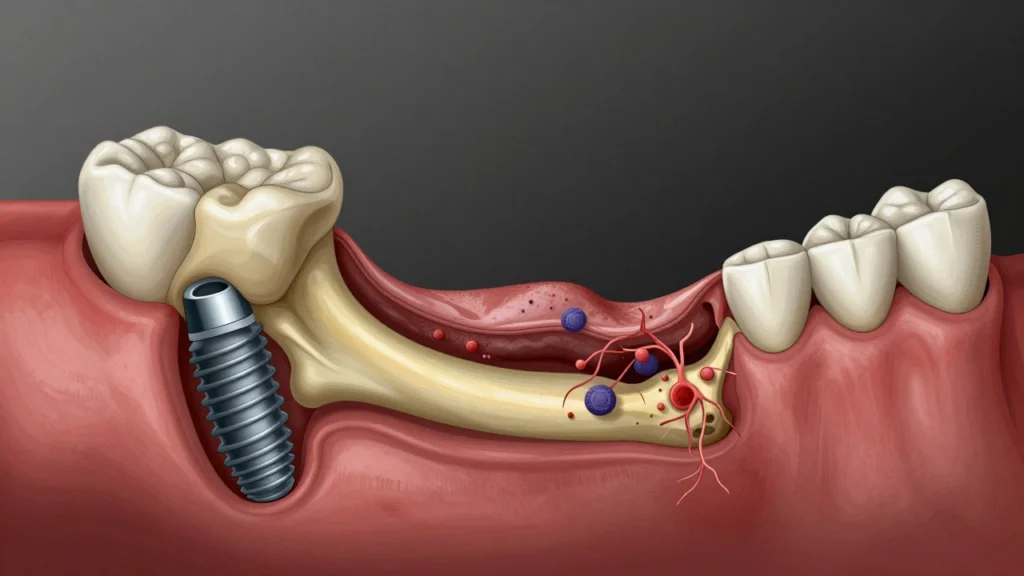
One of the strongest predictors of implant complications is untreated gum disease. Periodontal infections contain bacteria that can also attack dental implants, leading to peri-implantitis. Peri-implantitis causes bone loss around implants, implant instability, and potential implant failure.
But here is the good news. Once gum disease is successfully treated and oral hygiene improves, implants become viable again.
Age Related Contraindications — Too Young or Too Old?
Many patients assume implants are limited by age. In reality, biological maturity matters far more than chronological age.
Are Dental Implants Safe for Elderly Patients?
Some of our most grateful implant patients are in their 70s and 80s. Age alone does not disqualify anyone. In fact, studies show implant success rates in older adults remain extremely high when systemic health is stable.
Implants can dramatically improve chewing ability, nutritional intake, speech clarity, and confidence in social settings.
Why Dental Implants Are Contraindicated in Growing Adolescents
Young patients have a different challenge. Their jawbones are still growing. If an implant is placed before skeletal growth finishes, the surrounding bone continues to develop while the implant remains fixed. This can lead to misaligned teeth, implant submergence, and aesthetic complications.
Implants are therefore usually delayed until 18+ years for most patients and confirmed completion of skeletal growth.
Psychological & Behavioral Contraindications
Successful implant therapy requires cooperation between dentist and patient.
Patients With Poor Compliance or Unrealistic Expectations
Dental implants require oral hygiene commitment, regular maintenance visits, and following post-surgical instructions. Patients who are unable or unwilling to follow these guidelines face higher complication risks. Another challenge is unrealistic expectations. Implants restore teeth beautifully. But they are not identical to natural teeth.
Temporary Contraindications — When Dental Implants Should Be Delayed, Not Avoided
Some conditions simply require waiting for the right moment. Timing in medicine is everything.
Pregnancy and Dental Implants
Elective implant surgery is generally postponed during pregnancy to avoid unnecessary medications, limit radiographic imaging, and reduce stress. Once pregnancy and recovery are complete, implant treatment can proceed safely.
Acute Infections and Poor Bone Quality
Active infections must always be treated first. Examples include dental abscesses, acute periodontal infections, and severe inflammation in the implant site. Additionally, insufficient bone volume may require bone grafting procedures before implant placement.
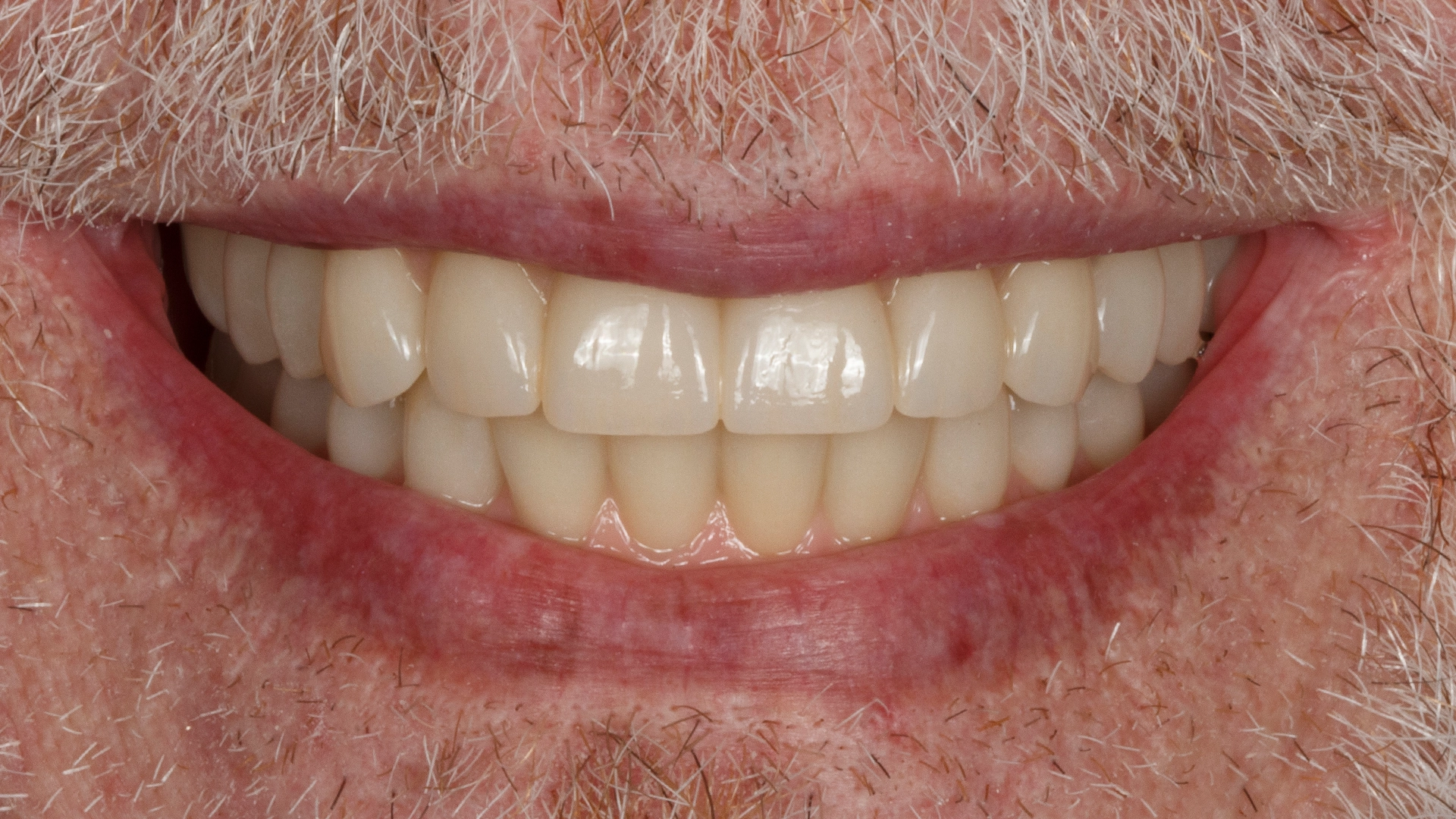
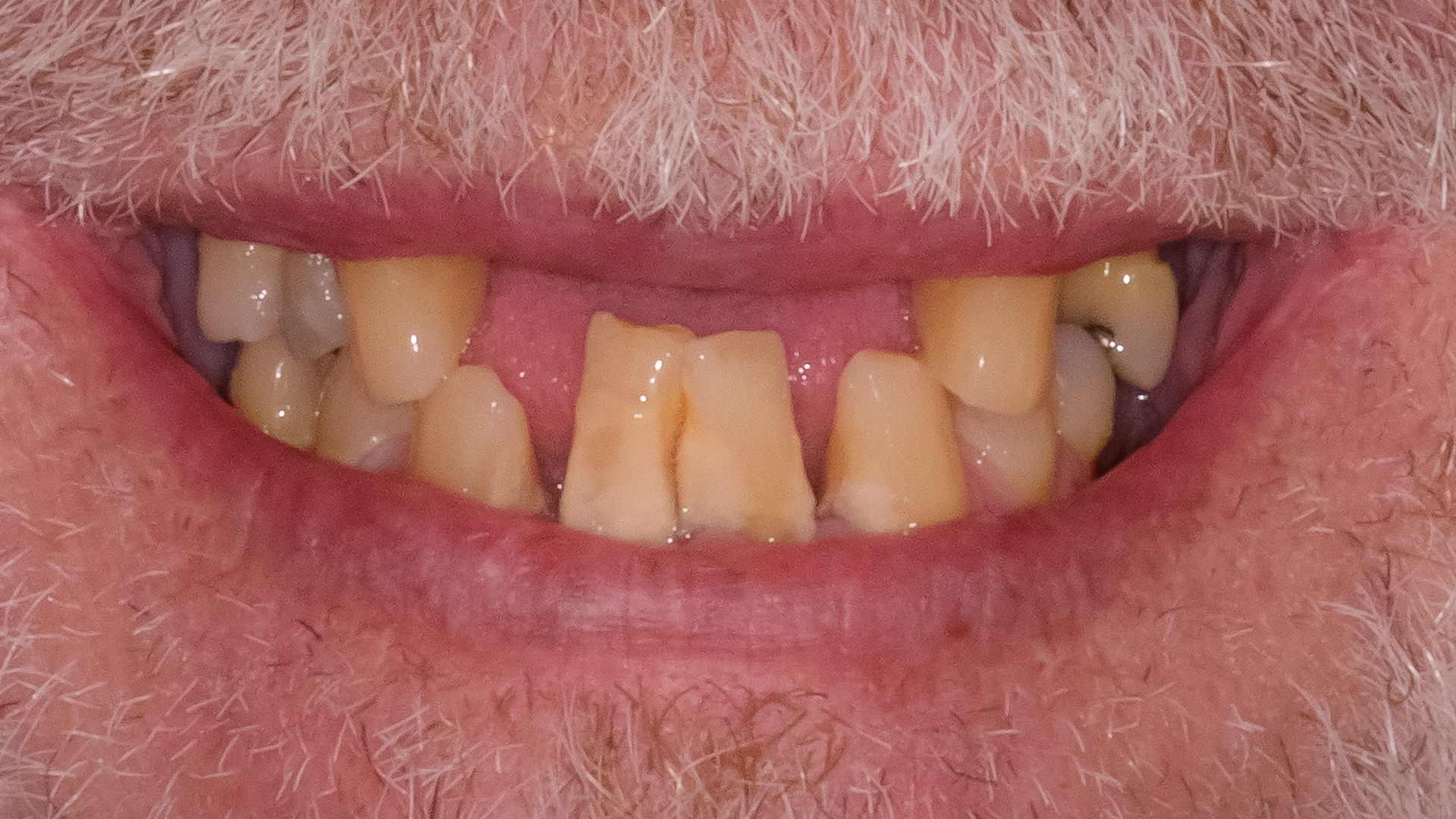
Before & After – Real Patient Transformations
Many patients who initially seem unsuitable become excellent candidates after proper preparation. See the difference modern diagnostics and planning can make.
Comprehensive Medical & Dental Risk Assessment
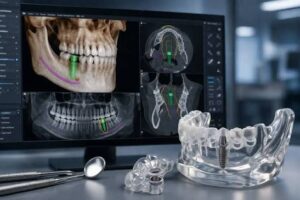
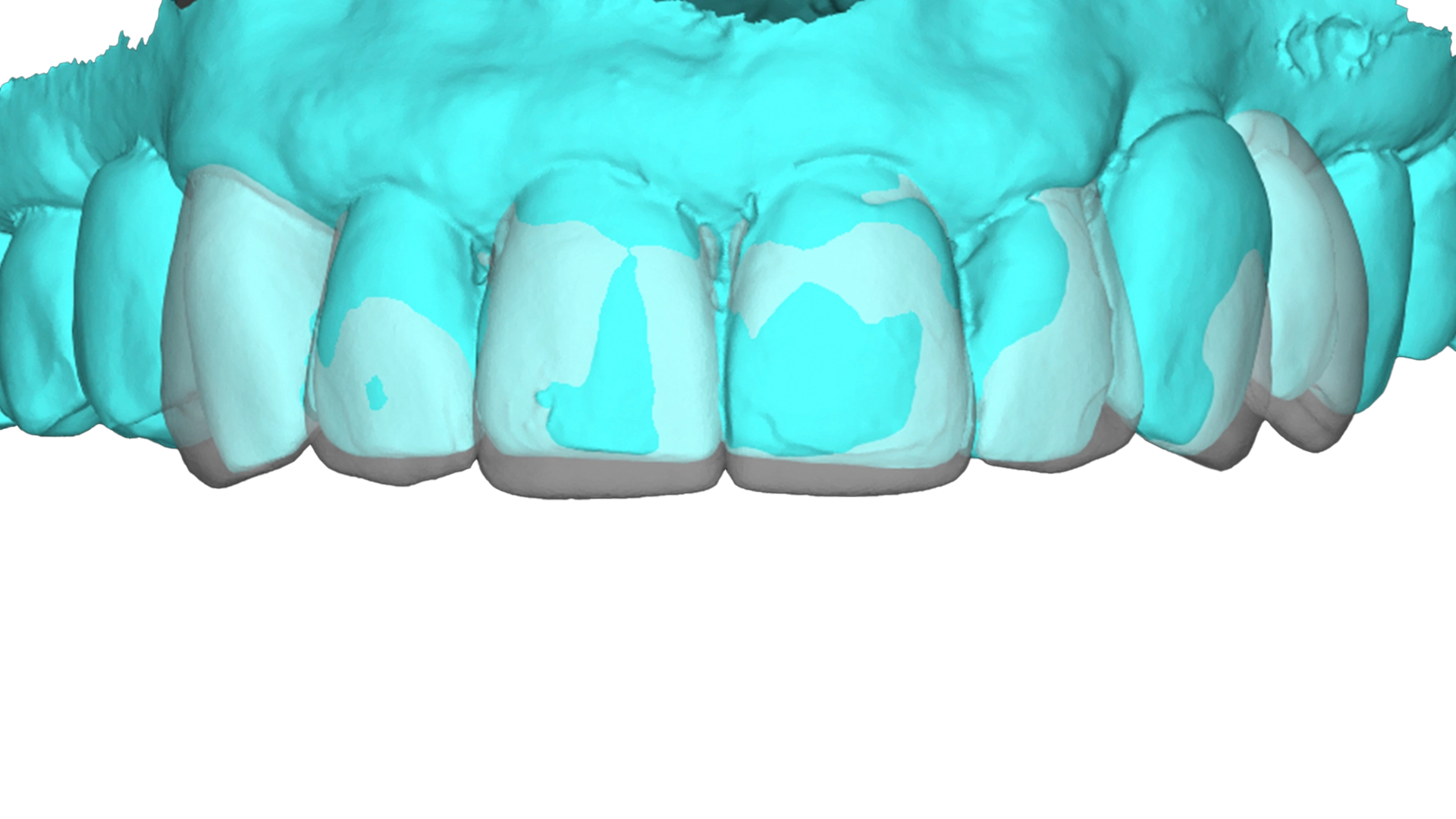
Every implant consultation at D’Amico Dental Care in Wayland & Watertown MA includes detailed medical history review, 3D CBCT imaging of the jawbone, bone density evaluation, gum health assessment, bite force and occlusion analysis, and medication review.
This approach identifies risk factors before treatment begins. Preventing complications is always better than treating them later.
Personalized Implant Decision Making
No two patients have identical anatomy, health, or goals. Instead of applying a one-size-fits-all approach, we design individualized treatment strategies.
Sometimes the best decision is immediate implant placement. Other times the best decision is preparation first (gum therapy, bone grafting, lifestyle changes).
This patient-first philosophy leads to predictable long-term success.
Ready to Find Out If Dental Implants Are Right for You?
Book your personalized implant consultation at D’Amico Dental Care today.
📍 359 Main St, Watertown, MA 02472 | 📍 241 Boston Post Rd, Wayland, MA 01778
📞 Call D’Amico Dental Care — +1-617-926-1801✉️ [email protected]
Frequently Asked Questions
1. Can everyone get dental implants?
No. Although dental implants are one of the most predictable procedures in modern dentistry, not every patient is automatically a candidate…
2. What medical conditions can prevent dental implant surgery?
Several systemic health conditions can increase implant failure risk if they are poorly controlled. The most common examples include uncontrolled diabetes, severe immune system disorders, advanced bleeding disorders, certain metabolic bone diseases, and patients receiving high-dose intravenous bisphosphonate therapy. The key factor is disease control, not just diagnosis. Many patients with chronic conditions successfully receive implants once their medical condition is properly managed in collaboration with their physician.
3. Can smokers safely receive dental implants?
Smoking is one of the most significant lifestyle risk factors in implant dentistry. Nicotine reduces blood circulation and interferes with osseointegration. Research shows smokers have higher implant failure rates, increased risk of peri-implantitis, and slower surgical healing. Patients who smoke more than 10 cigarettes per day face the highest risk. However, many smokers still receive successful implants after reducing or quitting smoking before surgery and during healing.
4. Why is gum disease a problem for dental implants?
Dental implants require a healthy biological environment to remain stable long-term. Patients with untreated periodontal disease carry harmful bacteria that can infect the tissues around implants. This infection is called peri-implantitis, and it can cause progressive bone loss, gum inflammation, implant instability or failure. Before implant placement, dentists usually recommend periodontal therapy to eliminate infection and stabilize gum health. Once the gums are healthy, implant success rates increase significantly.
5. Are dental implants safe for older adults?
Yes. Age alone is not a contraindication for dental implants. In fact, many studies show that implant success rates in healthy patients over 70 are comparable to younger adults. For elderly patients, implants often provide major benefits: improved chewing ability, better nutrition, increased denture stability, and greater confidence when speaking or smiling. The determining factors are overall health, bone quality, and oral hygiene, not age.
6. Why can’t teenagers receive dental implants?
Dental implants are usually delayed until jawbone growth is complete. In adolescents, the jaw continues to develop. If an implant is placed too early, it behaves like an anchored structure that does not move with the growing bone. This can lead to misalignment with neighboring teeth, aesthetic problems, and functional bite issues. Most dentists wait until 18 years or older, or confirm skeletal maturity through clinical evaluation.
7. Can dental implants fail if I grind my teeth?
Yes, severe bruxism (teeth grinding) can place excessive mechanical stress on implants. Unlike natural teeth, implants lack the periodontal ligament, which normally acts as a shock absorber. This means excessive grinding forces may cause implant component loosening, crown fractures, and bone loss around the implant. Dentists often manage this risk using custom night guards, reinforced prosthetic materials, and precise bite adjustment. With proper planning, many patients with bruxism still achieve long-term implant success.
8. Are there situations where dental implants should be delayed instead of avoided?
Yes. Many implant contraindications are temporary rather than permanent. Examples include pregnancy, active oral infections, recent tooth extraction with inflammation, and insufficient bone requiring bone grafting. Once these conditions are treated or stabilized, implant placement can proceed safely. In modern implant dentistry, delaying treatment often leads to better long-term outcomes.
9. How do dentists determine if I am a good candidate for dental implants?
A proper implant evaluation involves a comprehensive diagnostic process, not just a quick visual examination. Most implant assessments include detailed medical history review, 3D CBCT imaging of the jawbone, bone density and volume analysis, gum health evaluation, bite and occlusion analysis, and medication and lifestyle assessment. This systematic evaluation allows dentists to determine whether implants are immediately possible, possible with preparation, or temporarily contraindicated. The goal is always predictable long-term success, not simply placing an implant.