Book Your Full-Mouth Implant Consultation Today
Book your consultation at D’Amico Dental Care today — and discover the safest, most stable path to a full, fixed smile.
[email protected]Quick Summary
If you are tired of loose dentures, hiding your smile, or worrying about whether implants will be painful or worth it, this is the key difference:
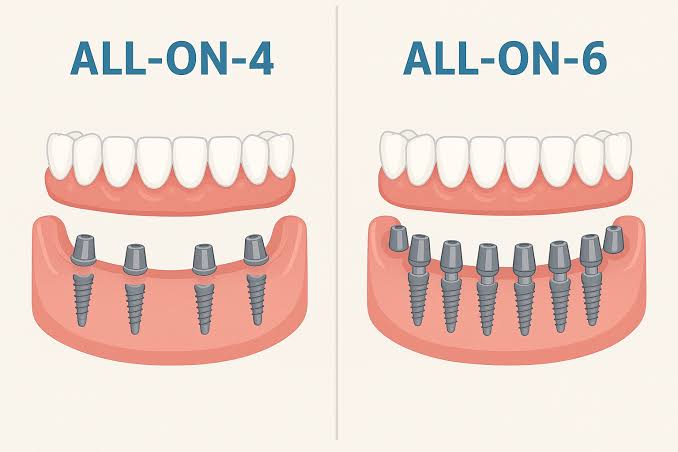
- All-on-4 uses four implants to support a full arch of teeth and is often ideal for faster treatment, fewer implants, and efficient bone use
- All-on-6 uses six implants for greater load distribution, added stability, and longterm reassurance
- The best option is not simply the one with more implants
- It depends on your bone quality, bite force, anatomy, health goals, and lifestyle
- At D’Amico Dental Care in Wayland & Watertown MA, the decision is guided by 3D imaging, Digital Smile Design, and a plan built around safety, comfort, and longterm value
- Flexible Financing: Bespoke treatment plans supported by custom payment milestones, interestfree monthly installments (3–12 months), and local financing partnerships.
At D’Amico Dental Care, we help patients in Wayland & Watertown MA see this decision in a simpler way. Not as a choice between four screws or six screws, but as a choice between different engineering strategies for a full, stable, natural-looking smile. Once you see it that way, the path becomes much clearer.
See a Real All-on-X Transformation
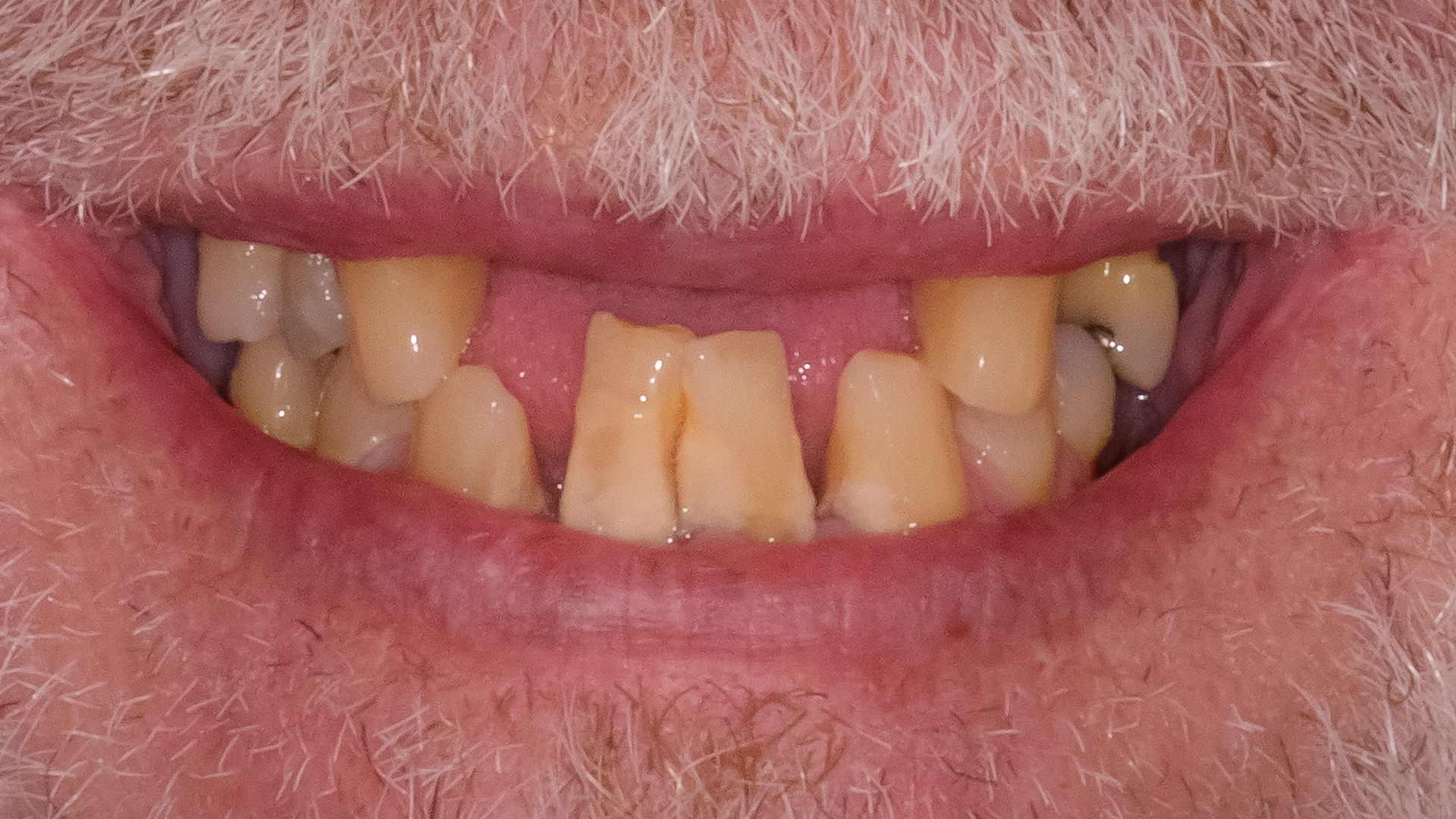
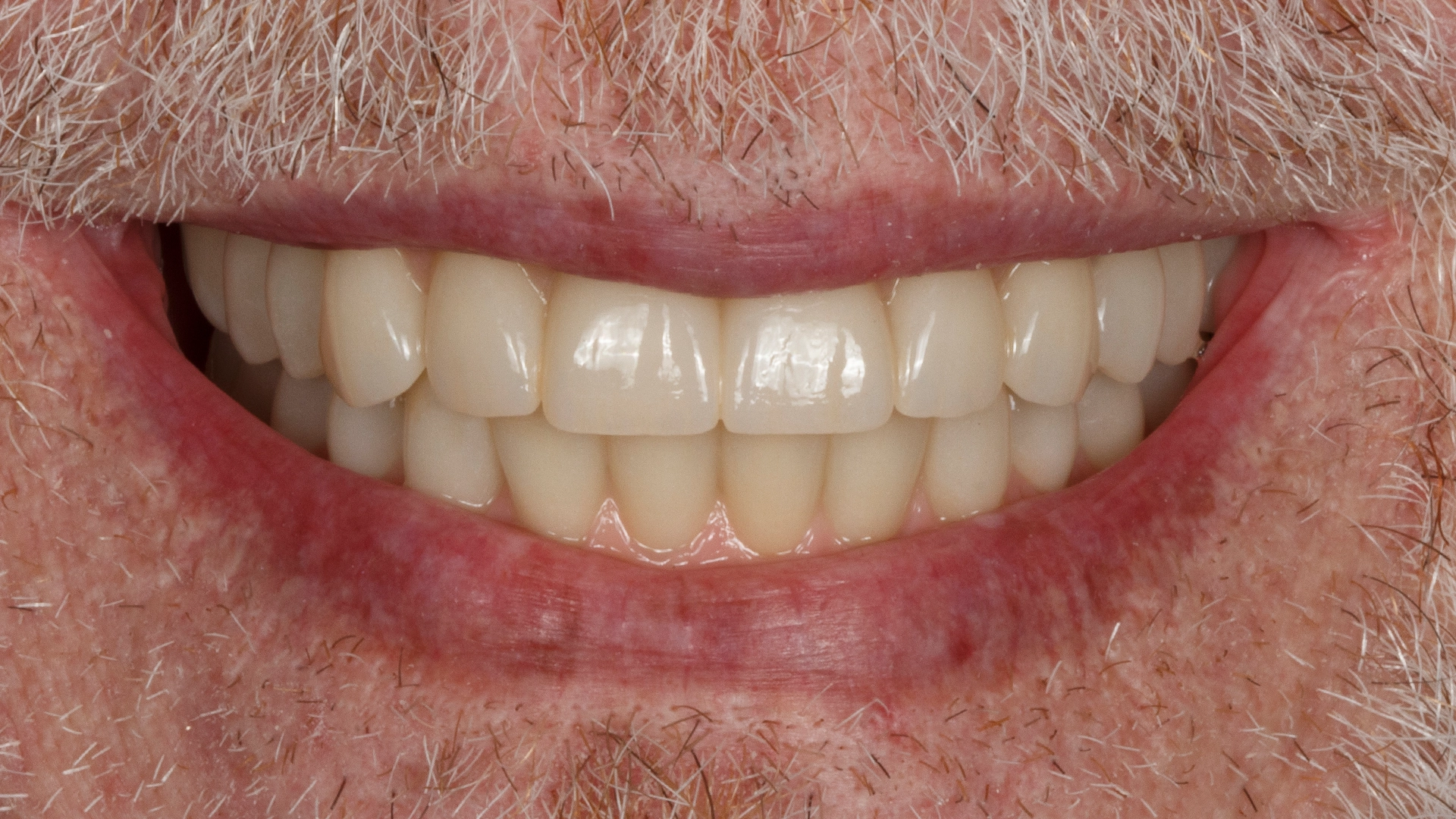
Drag the slider to compare before & after
The Real Difference: Why It’s Not Just About the Number of Screws
Many patients arrive thinking All-on-6 must automatically be better because six is more than four. Others assume All-on-4 is always smarter because it sounds simpler and more affordable. Both reactions are normal. Both are incomplete.
The real question is this:
Which design gives you the safest, most comfortable, most durable result for your specific mouth?
Think of it like building a bridge. The goal is not to use the highest number of supports. The goal is to create the right support system in the right places, based on the ground underneath and the weight it must carry.
That is why a proper diagnosis matters more than a catchy treatment label. Bone volume, bone density, chewing pressure, jaw shape, and aesthetic goals all affect which option is truly best.
All-on-4: High Efficiency for Faster Results
If you have been living with failing teeth or unstable dentures, speed can matter. Not because you are impatient, but because every extra month can mean more discomfort, more social hesitation, and more bone loss.
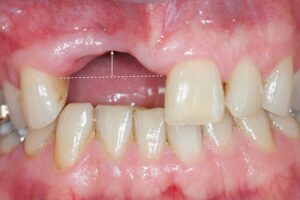
All-on-4 is a full-arch dental implants technique that supports a complete fixed prosthesis on four strategically placed dental implants. The back implants are often angled to make better use of available bone and reduce the need for bone grafting.
Why do patients choose it?
- Fewer implants
- Efficient use of existing jawbone
- Often a good option for patients with reduced bone volume
- Can support a faster treatment pathway in suitable cases
- Usually involves a lower initial cost than All-on-6
Imagine being able to stop worrying about your denture moving while you talk. Imagine eating in a restaurant in Wayland & Watertown MA and focusing on the conversation, not on your teeth. For many patients, that shift feels immediate and deeply emotional.
A common question is: Does fewer implants mean weaker results?
Not necessarily. In the right patient, All-on-4 can be highly stable, functional, and long-lasting. What matters is correct planning, implant positioning, bite design, and prosthetic quality.
The risk of waiting too long is not only emotional. Ongoing tooth loss and denture wear can contribute to continuing jawbone shrinkage, which may limit future options. That is why an early assessment can protect more than your smile. It can protect your choices.
And yet, for some patients, efficiency is not the whole story.
All-on-6: Maximum Stability for a Lifetime
Some people want the most streamlined solution. Others want the feeling of extra reinforcement. If you grind your teeth, have stronger bite forces, or simply want more distribution under a full arch, All-on-6 may offer added peace of mind.
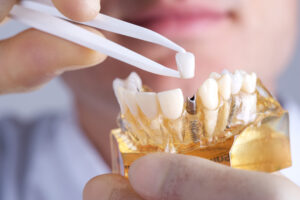
All-on-6 uses six dental implants to support a full fixed bridge. By adding two more implants, forces can be distributed more broadly across the jaw. In many cases, this can improve biomechanical balance and reduce stress on each implant.
Patients often ask: Is All-on-6 stronger?
In many clinical situations, yes, it can provide greater support and load distribution, especially when anatomy allows ideal placement.
Potential advantages include:
- More support points for the prosthesis
- Better force distribution during chewing
- Often preferred for patients with higher bite loads
- Can enhance the sense of long-term stability
- May be an excellent choice when bone volume is sufficient
Picture yourself biting into food without second-guessing. Smiling in photos without checking your mouth first. Planning years ahead and feeling that your foundation is built for them.
That extra stability can be meaningful. But more implants do not automatically mean better care. If they are not needed, they should not be placed. Trustworthy implant dentistry is not about upselling. It is about matching the design to the biology.
Why Wayland & Watertown MA Patients Choose D’Amico Dental Care for Full-Mouth Restorations?
Choosing a clinic can feel even harder than choosing a treatment. Many patients carry memories of rushed appointments, unclear explanations, or procedures that felt more technical than human.
At D’Amico Dental Care, we believe people say yes to treatment when they finally feel seen, informed, and safe. That is why our process is designed to reduce confusion before it reduces teeth problems.
Advanced 3D Imaging & Digital Smile Design (DSD)
Fear often comes from not knowing what is happening under the surface. We change that with 3D imaging, which allows us to assess the jawbone, anatomical structures, implant positions, and prosthetic planning with precision.
We also use Digital Smile Design, or DSD. This is a visual planning method that helps map the future smile in harmony with your face, lips, bite, and personality. It turns treatment from a blind leap into a visible plan.
Patients often ask: Will my new teeth look fake?
A well-designed full-mouth restoration should look natural, proportional, and individual to you, not generic.
This is where many clinics focus only on placement. We focus on life after placement. How you will smile, speak, chew, and feel. That difference matters.
Pain-Free Procedures & Local Expertise in Wayland & Watertown MA
For many non-customers, the biggest barrier is simple: fear of pain. If that is your concern, you are not alone, and you are not difficult. You are human.
At D’Amico Dental Care, pain control, clear communication, and calm step-by-step care are central to the experience. Local anesthesia protocols, gentle surgical techniques, and careful planning all help reduce discomfort during and after treatment.
Patients also benefit from choosing a team in Wayland & Watertown MA that understands the local community and can provide continuity of care. That means easier follow-up, clearer communication, and a relationship you can rely on.
When people feel safe, they stop postponing the treatment that could change daily life. And that brings us to the question most people ask next.
Cost vs. Value: Is All-on-6 Worth the Extra Investment?
Cost anxiety is real. It can stop people from even exploring treatment. The better question is not simply, What does it cost? It is, What does it prevent, preserve, and improve over time?
Compared with the ongoing cost of removable dentures, repeated repairs, adhesives, tooth extractions, bone loss management, and the emotional cost of holding back your smile, full-mouth implants are often better understood as a long-term functional investment.
From there, the comparison becomes clearer:
- All-on-4 may offer better value when efficiency and bone preservation strategies make extra implants unnecessary
- All-on-6 may justify the higher investment when added support improves longevity, comfort, and confidence in function
A common patient question is: Should I stretch my budget for All-on-6?
Only if your clinical situation truly benefits from it. Ethical treatment means recommending the option that gives you the best outcome per dollar, not the biggest invoice.
At D’Amico Dental Care, transparency matters. You should understand:
- Why a specific option is recommended
- What benefits it offers in your case
- What limitations to consider
- What the long-term maintenance looks like
That clarity reduces risk. It also makes the decision easier.
Flexible Payment Options in Wayland & Watertown MA
Investing in a full-mouth implant restoration is a life-changing decision, and it should never be blocked by financial uncertainty. At D’Amico Dental Care, we build every payment plan around your treatment, your timeline, and your comfort — not the other way around.
Custom Payment Milestones
Payments structured around the actual phases of your treatment, so you only pay as each stage of your smile is completed.
Interest-Free Installments
Spread the cost of your All-on-4 or All-on-6 treatment over 3 to 12 months, with no added interest.
Local Financing Partnerships
Access to trusted local financing partners in Wayland & Watertown MA, designed to make full-mouth restorations more accessible.
Transparent, Bespoke Plans
Every plan is explained clearly from the start — no hidden fees, no surprises, just an honest roadmap for your investment.
Ask our team during your consultation which flexible payment option best fits your goals and budget.
All-on-X Success Stories: Real Transformations at D’Amico Dental Care
Before treatment, many patients tell themselves, I will do it later. Then later becomes another year of soft foods, covered smiles, or social self-consciousness.
After treatment, the stories often sound different.
These are not only dental outcomes. They are identity restorations.
At D’Amico Dental Care, All-on-X treatment, including All-on-4 and All-on-6, is planned around a bigger promise: helping people return to daily life with security.
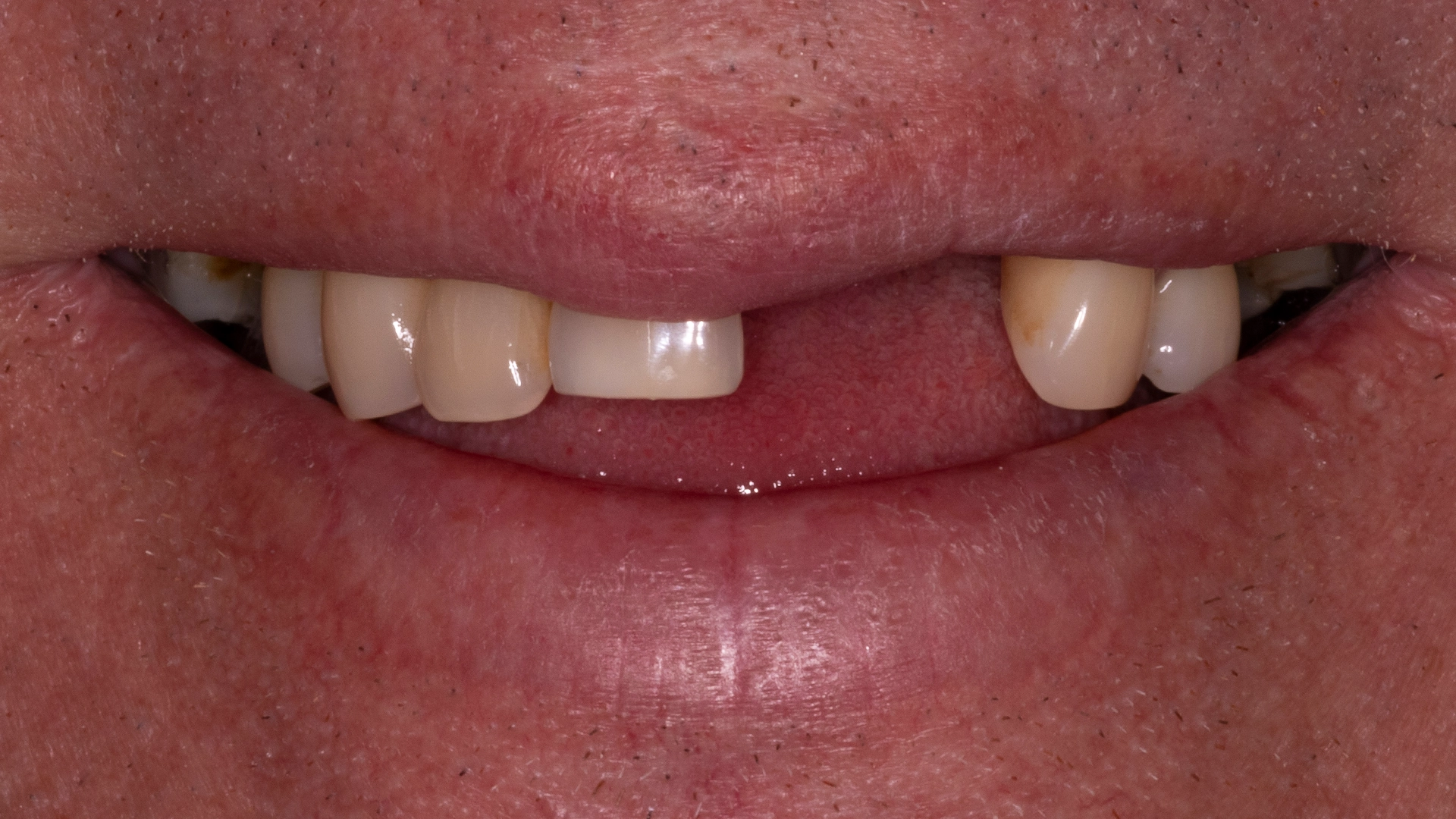
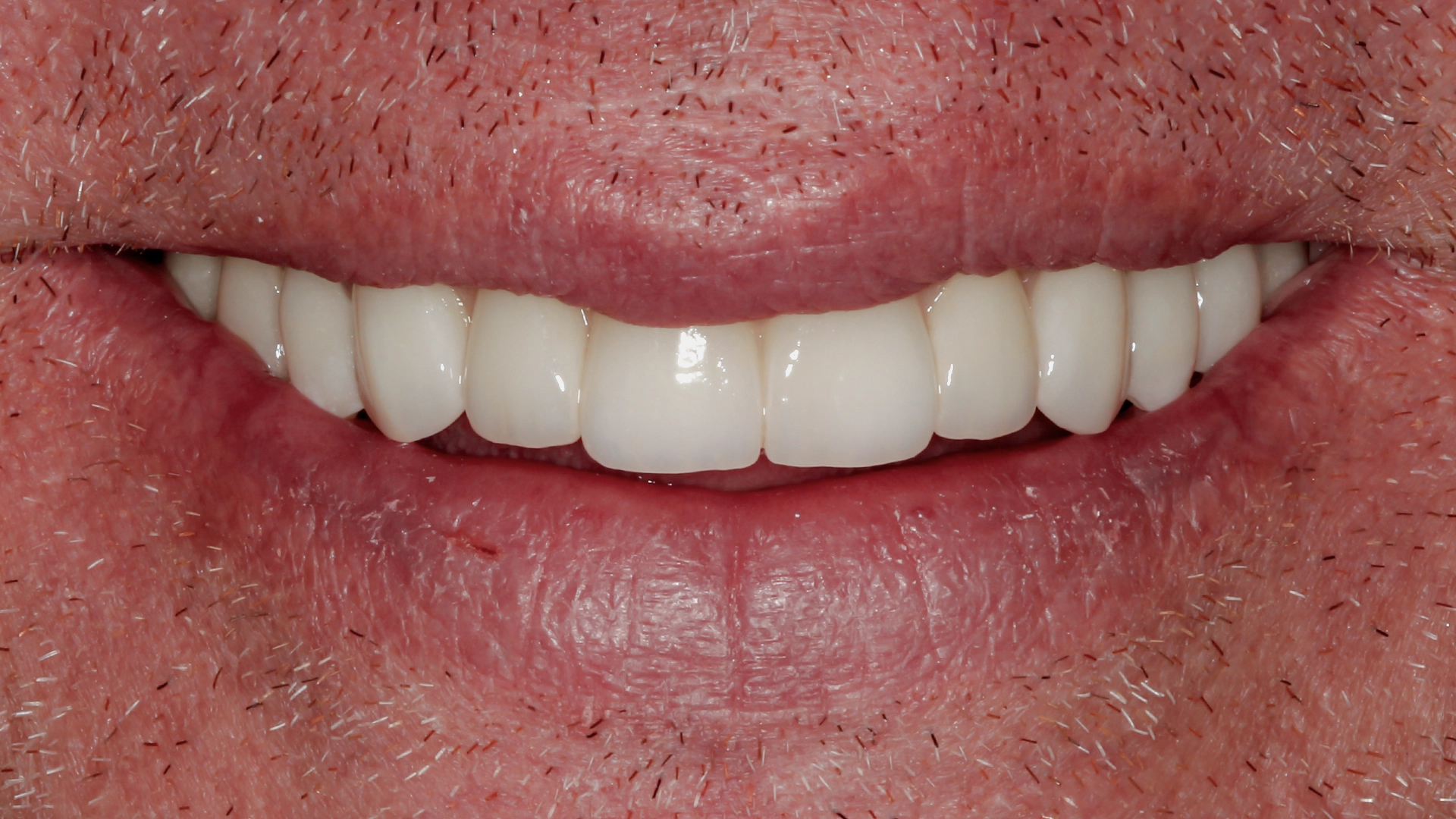
Full-Arch Smile Restoration


Facial Support & Profile Improvement
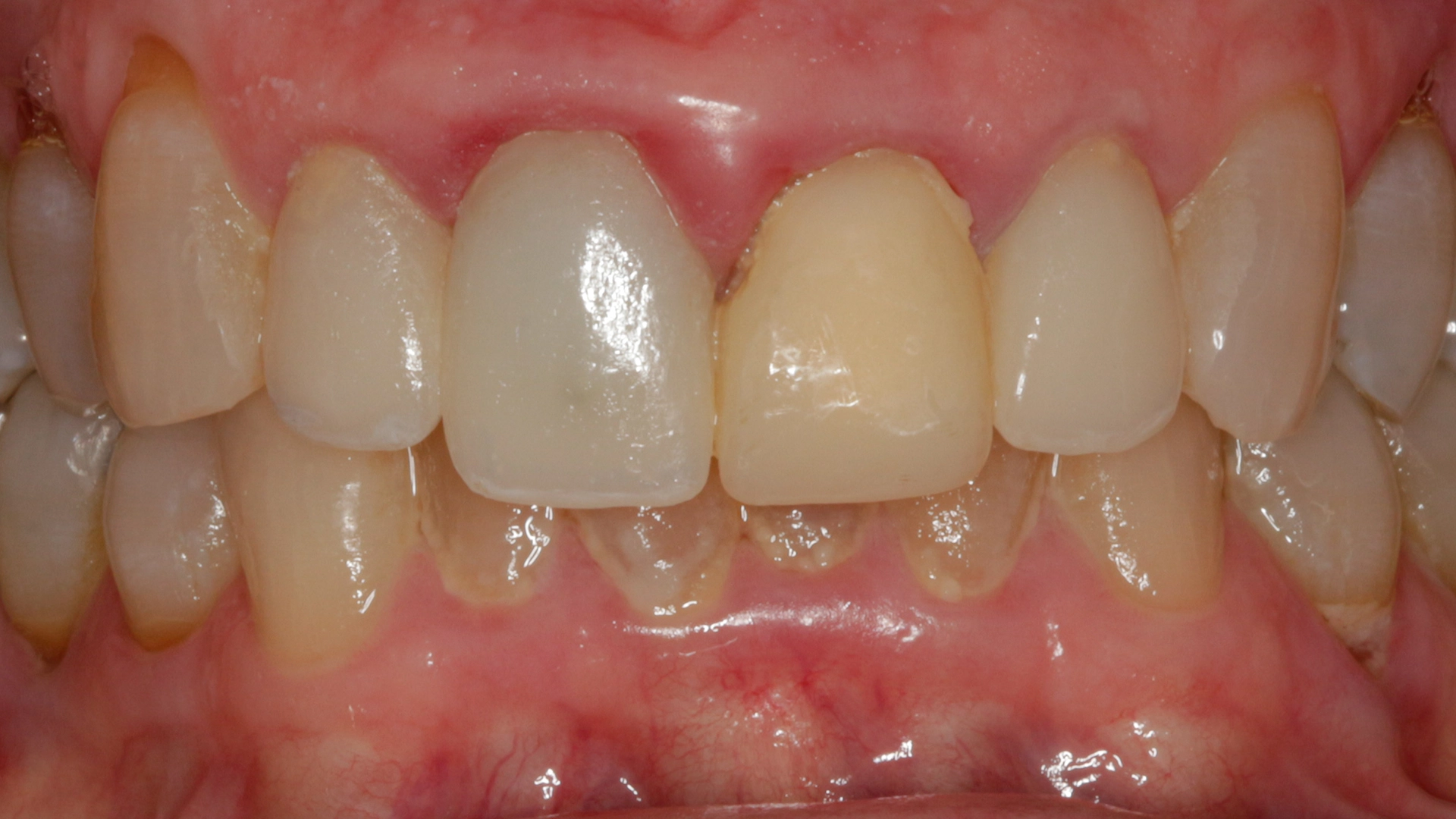
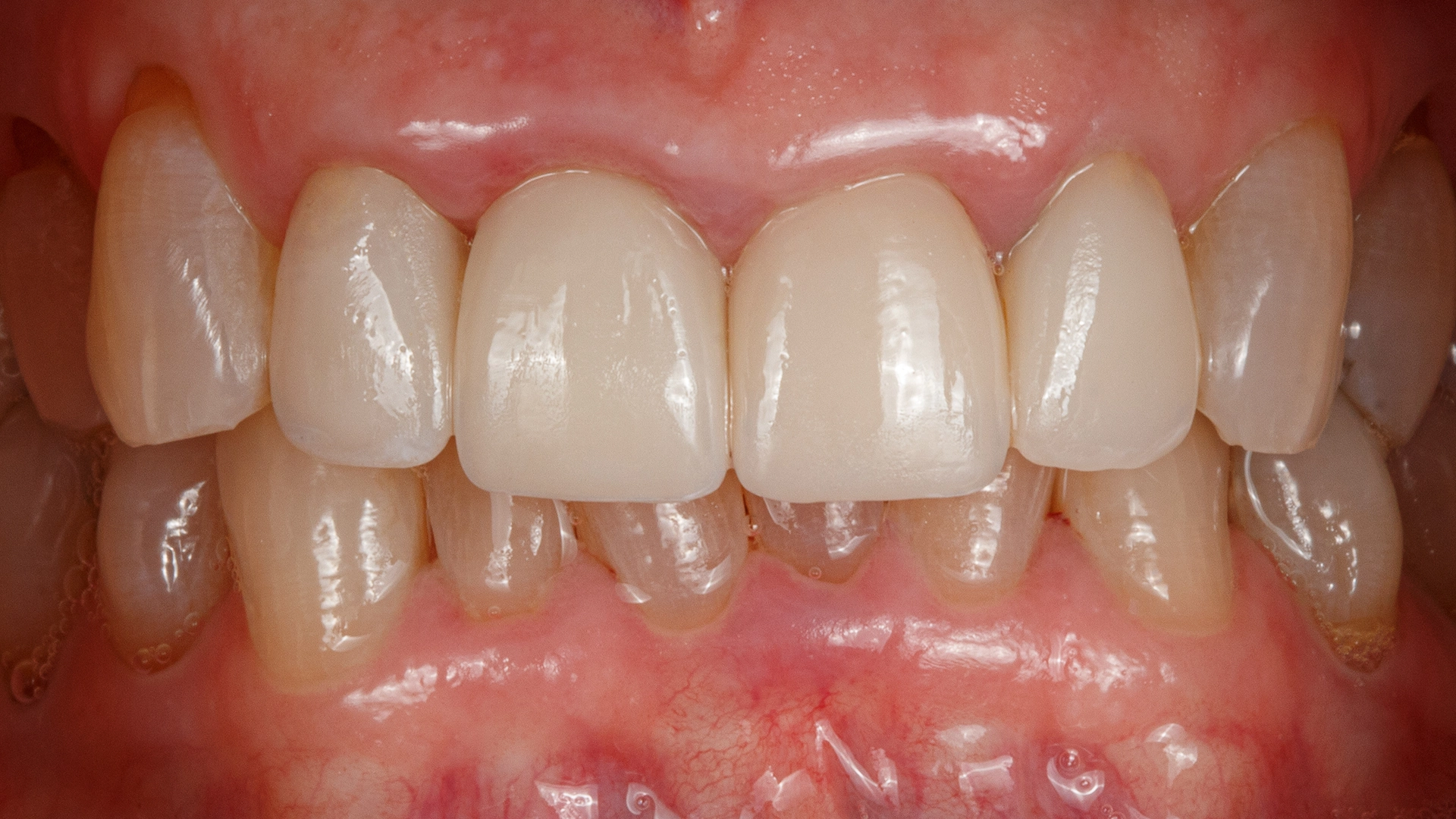
Fixed Full-Arch Result
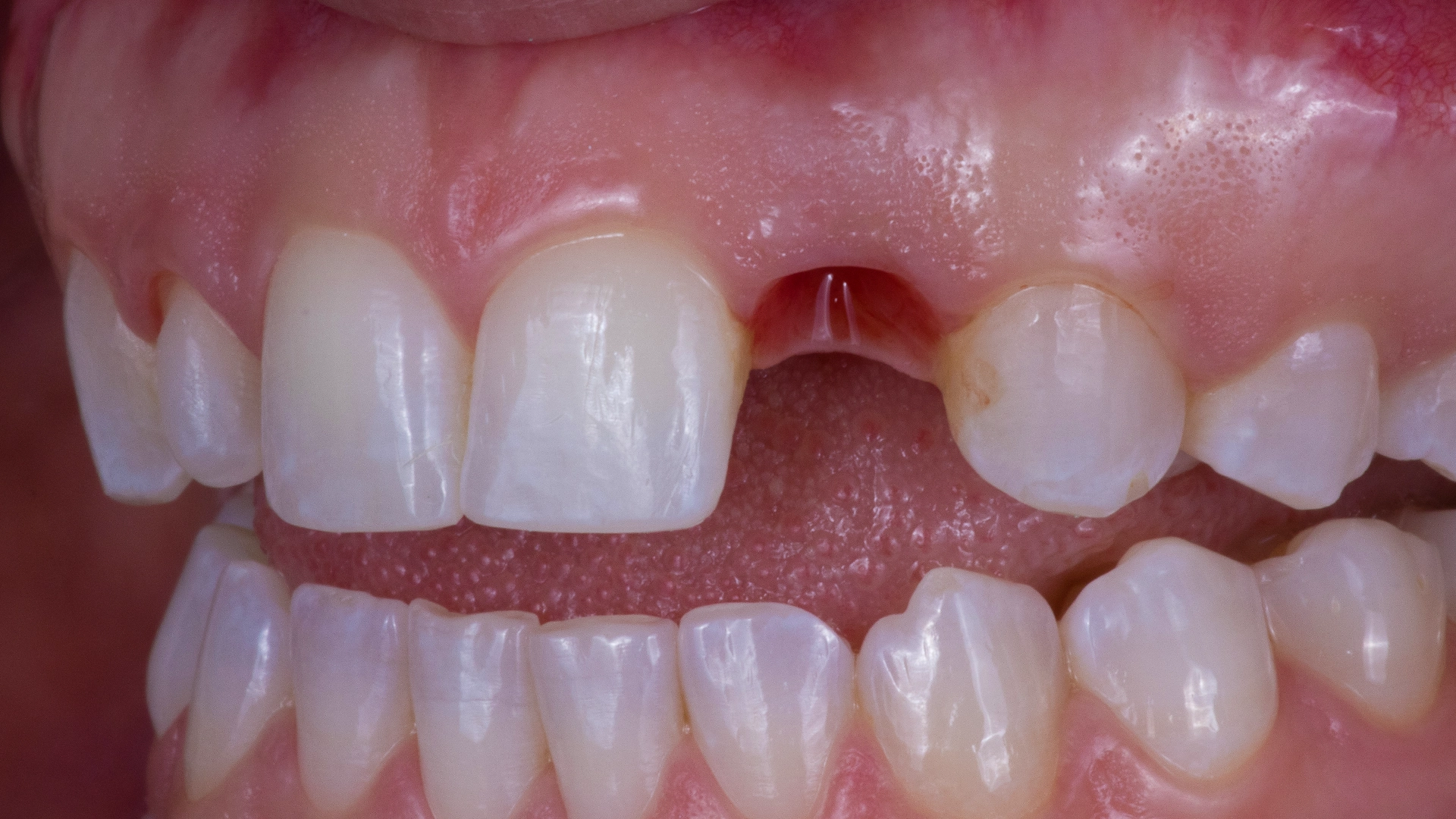
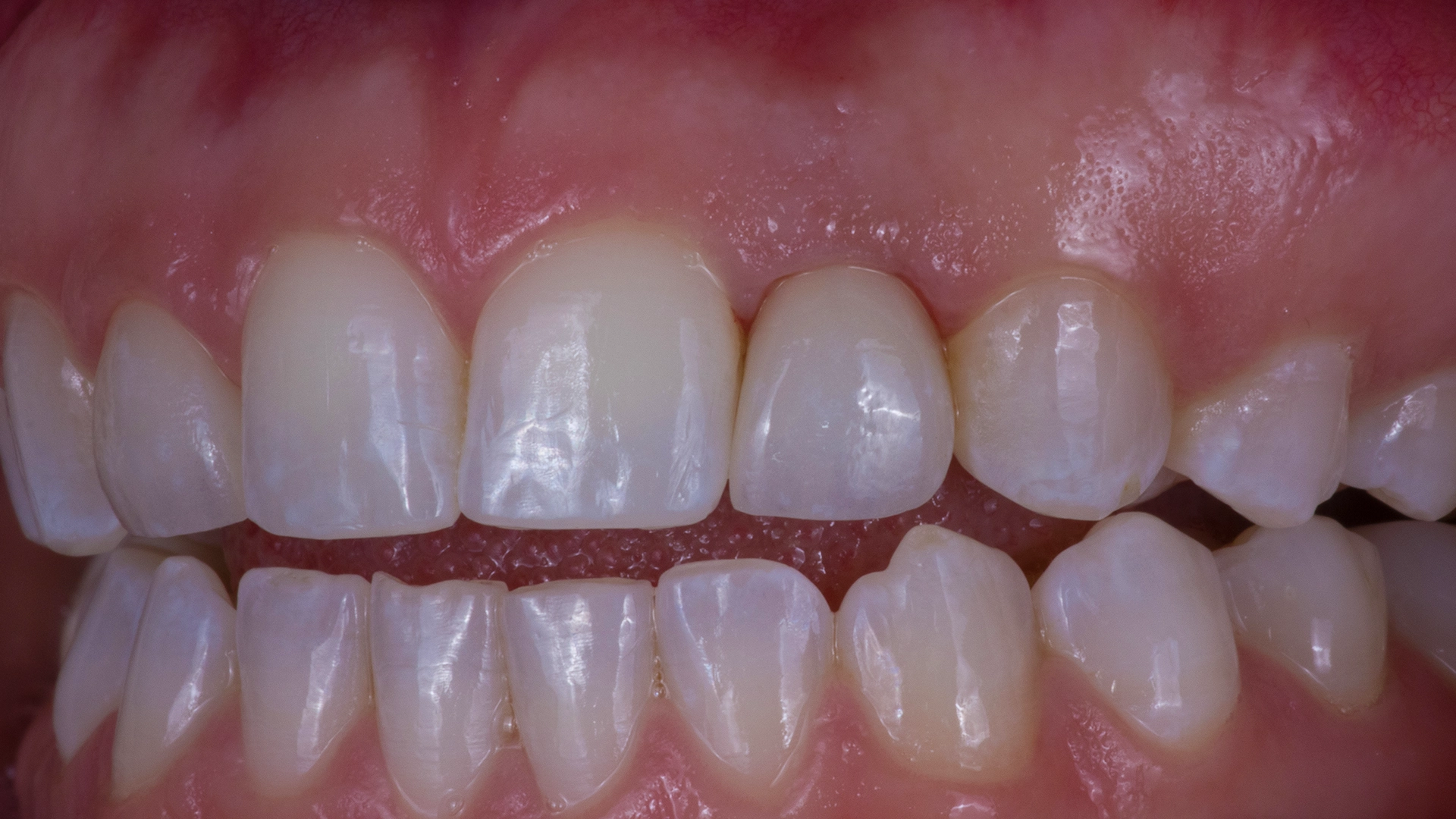
All-on-4 Case Result
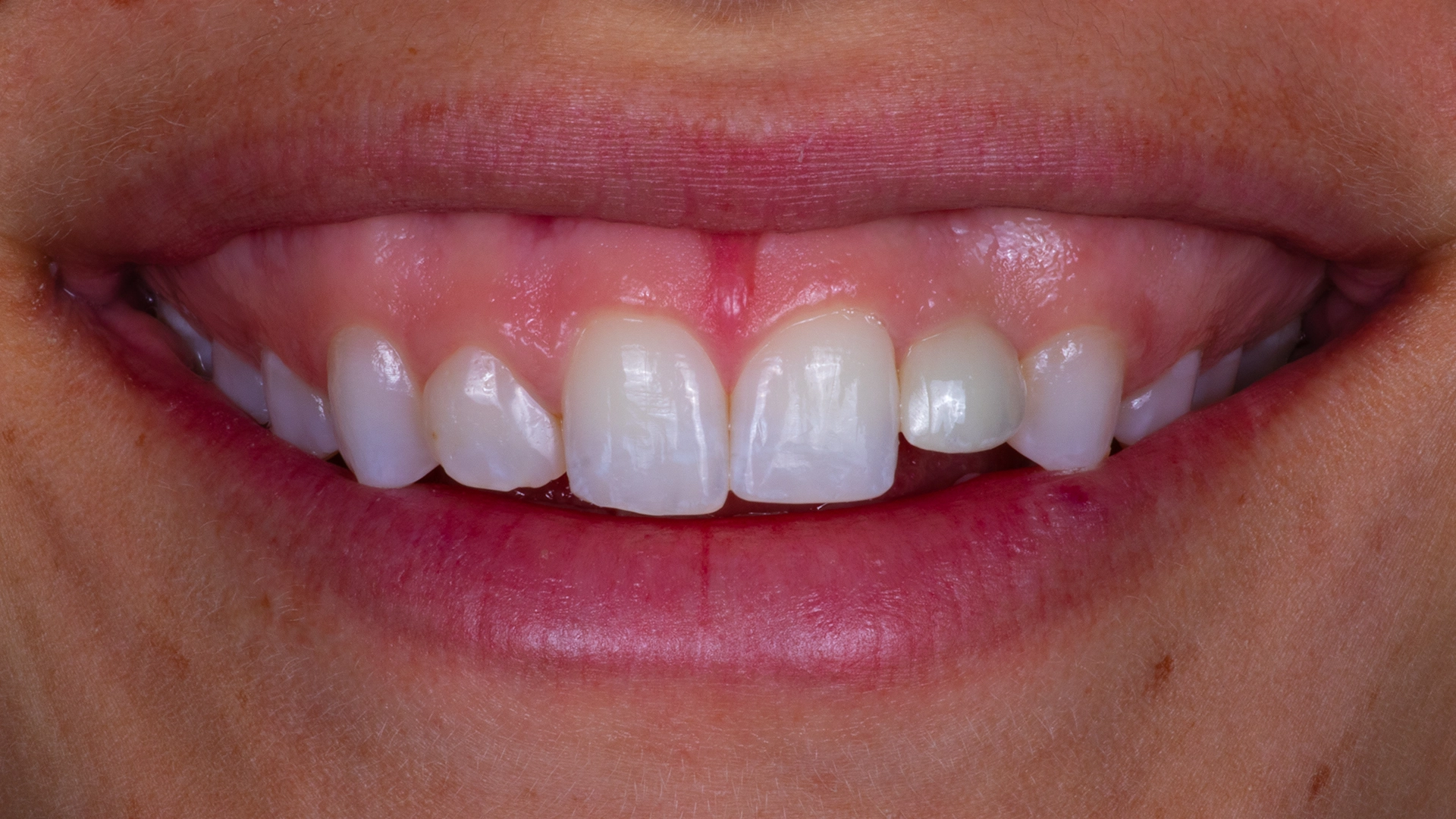
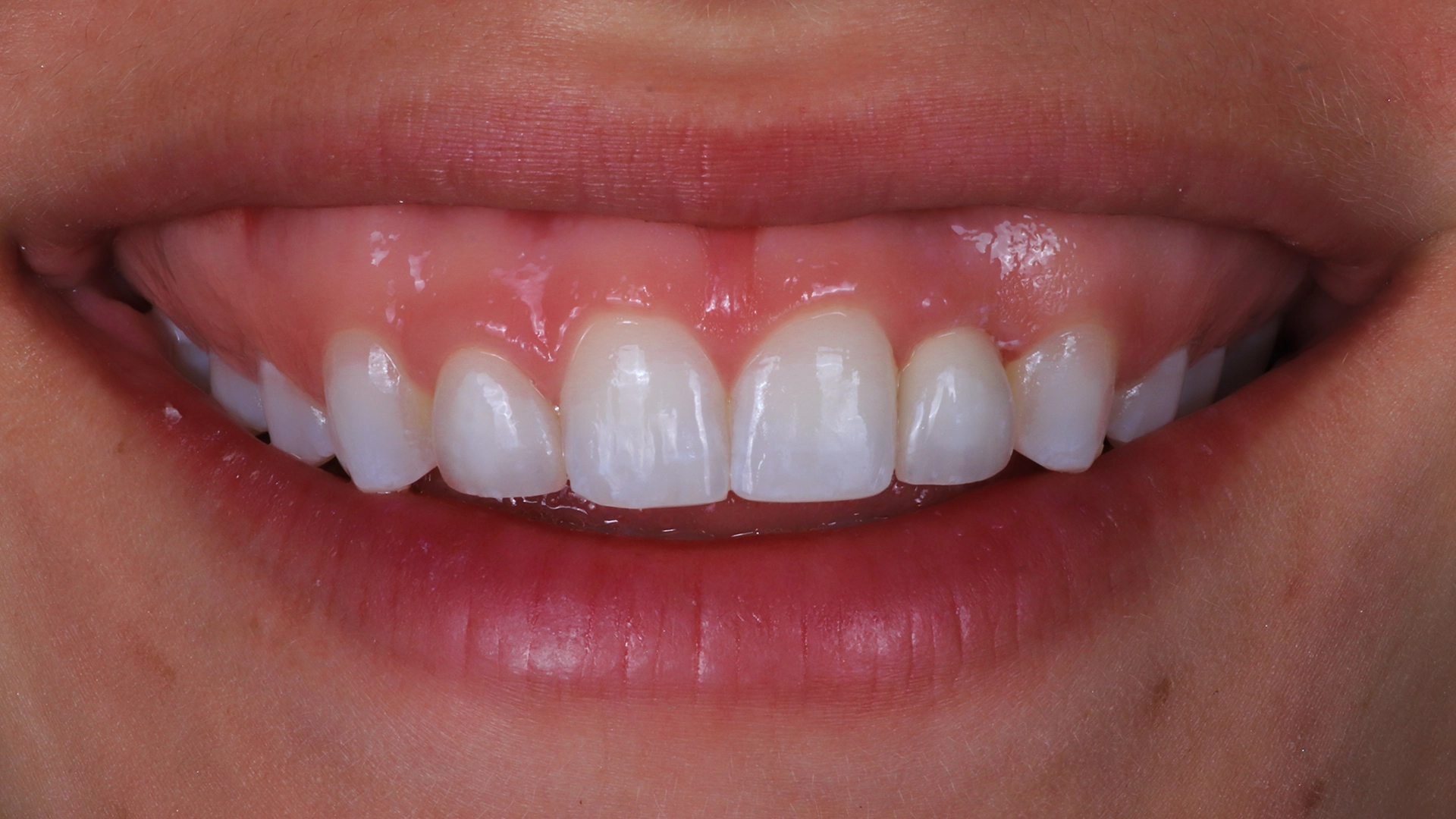
Complete Smile Makeover
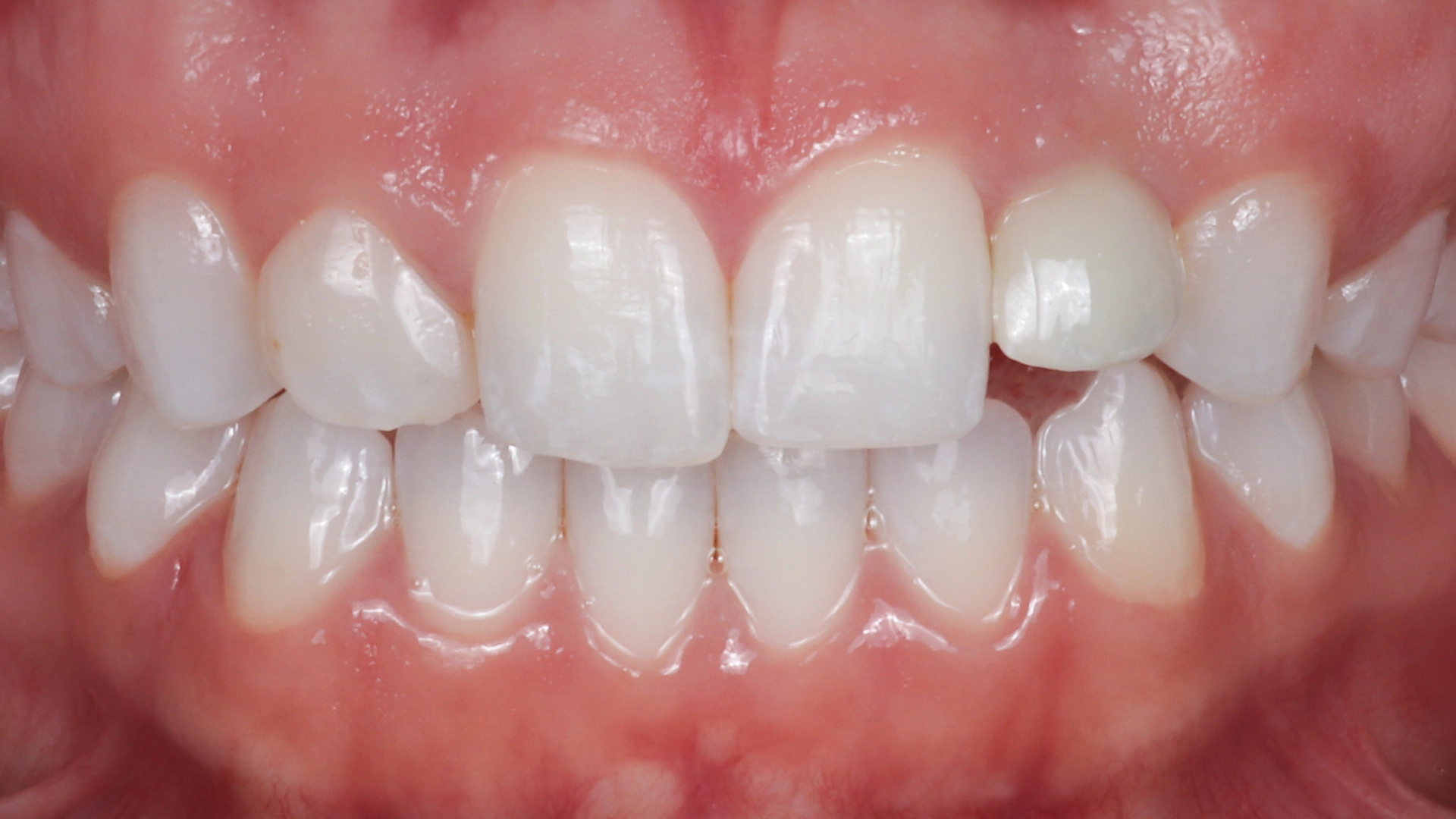
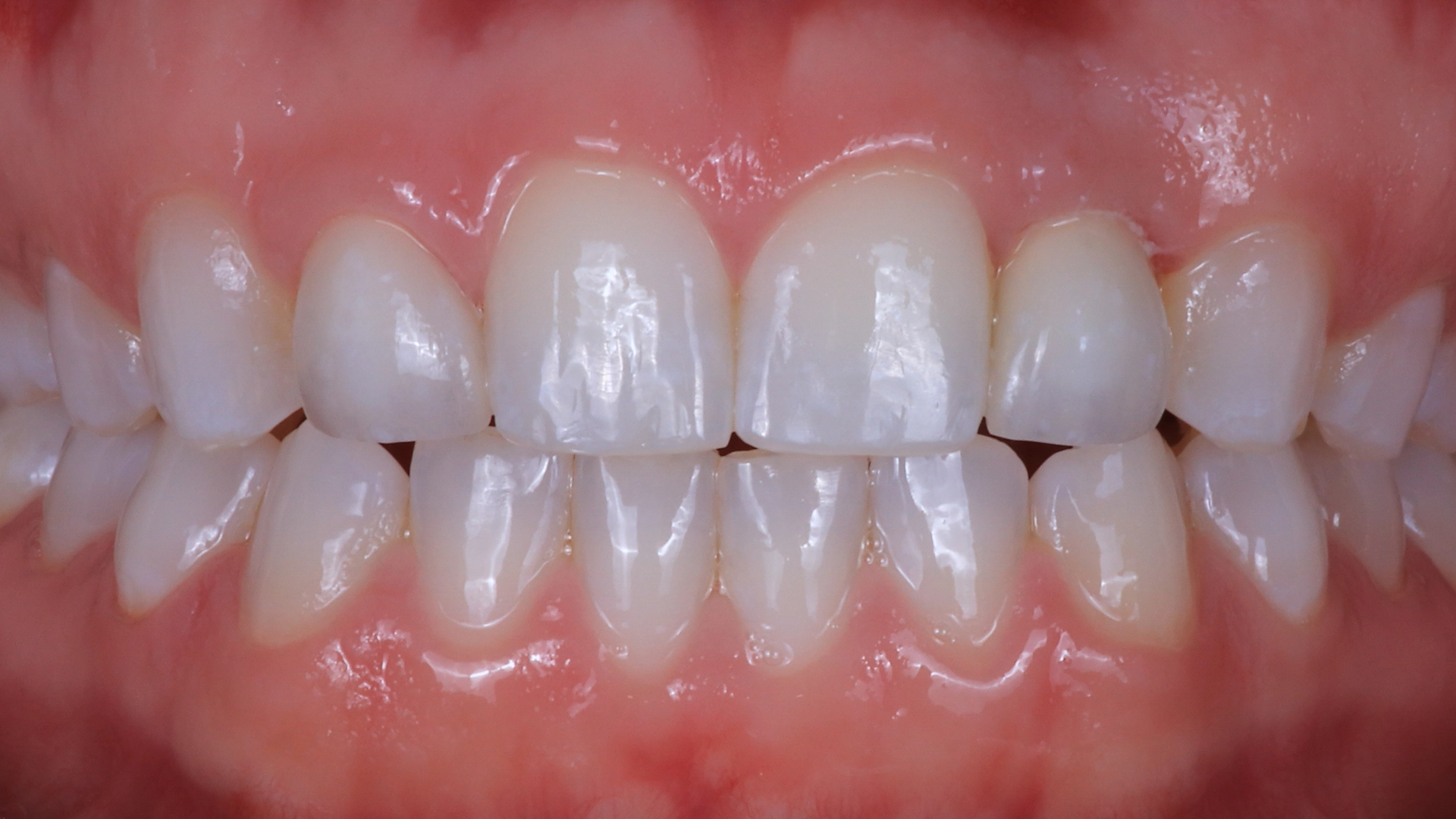
All-on-6 Case Result
Take the Next Step
A focused consultation at D’Amico Dental Care can show you:
- whether you are a candidate for All-on-4 or All-on-6
- what your bone and smile design allow
- what your treatment timeline may look like
- what investment makes sense for your goals
The biggest relief often starts before treatment begins. It starts when you finally know what is possible.
Book your full-mouth implant assessment at D’Amico Dental Care in Wayland & Watertown MA and leave with a clear, honest recommendation built around your mouth, your comfort, and your future smile.
Ready to Explore All-on-4 or All-on-6 Implants?
Book your consultation at D’Amico Dental Care today.
[email protected]Frequently Asked Questions About All-on-4 & All-on-6 Implants in Wayland & Watertown MA
1) What is the difference between All-on-4 and All-on-6 implants?
The main difference is the number of dental implants used to support a full arch of replacement teeth.
- All-on-4 uses four implants
- All-on-6 uses six implants
But the real difference is not just the number. It is about how chewing forces are distributed, how much bone is available, and what level of long-term support the patient needs.
In many cases, All-on-4 is chosen for efficiency and faster rehabilitation, especially when bone volume is limited.
All-on-6 is often selected when the jaw can support two extra implants and the goal is to create even greater stability and force distribution.
For the patient, the better option is the one that matches their bone quality, bite force, anatomy, and long-term expectations.
2) Is All-on-6 always better than All-on-4?
No. All-on-6 is not automatically better.
This is one of the most common misunderstandings patients have. More implants can provide more support points, but that does not mean every patient needs them.
A well-planned All-on-4 treatment can be extremely stable, functional, and long-lasting when used in the right case.
An All-on-6 treatment may be better when a patient has:
- enough bone volume for six implants
- stronger bite pressure
- a history of clenching or grinding
- a desire for additional long-term structural support
The best full-mouth implant option is not the one with the highest number. It is the one with the best biomechanical and biological fit for the patient.
3) Which option lasts longer: All-on-4 or All-on-6?
Both All-on-4 and All-on-6 full mouth implants can last many years when they are properly planned, placed, restored, and maintained.
In some cases, All-on-6 may offer an advantage in load distribution, which can reduce stress on each individual implant. That may support long-term performance, especially in patients with stronger chewing forces.
However, longevity does not depend only on the implant count. It also depends on:
- bone quality
- implant positioning
- prosthetic design
- oral hygiene
- smoking habits
- medical history
- regular professional maintenance
A poorly planned All-on-6 is not better than a well-planned All-on-4.
The long-term winner is usually the treatment built on accurate diagnosis and proper maintenance.
4) Is All-on-4 cheaper than All-on-6?
In most cases, yes. All-on-4 is usually less expensive than All-on-6 because it involves:
- fewer implants
- potentially less surgical time
- lower material cost
But patients should not choose based on price alone.
The more useful question is: Which option gives the best value for my clinical situation?
If four implants can provide the right result, then paying for six may not be necessary.
If six implants significantly improve support and long-term confidence in your case, then the extra investment may be justified.
For many patients, value comes from balancing:
- immediate budget
- future maintenance needs
- comfort while eating
- peace of mind
- expected longevity
That is why a transparent treatment plan matters more than a generic price list.
5) Do All-on-4 or All-on-6 implants hurt?
This is one of the biggest fears patients have, especially those who have delayed treatment for years.
The good news is that the procedure is usually much more comfortable than many people expect. During surgery, the area is numbed with local anesthesia, and many clinics also provide options to help anxious patients feel calmer.
After treatment, some swelling, soreness, or pressure is normal for a few days. Most patients describe it as manageable, especially when the procedure is carefully planned and post-operative instructions are followed.
Pain experience depends on:
- the complexity of the case
- whether extractions are needed
- the patient’s healing response
- surgical technique
- anxiety level before treatment
Patients often suffer more from the fear of the procedure than from the procedure itself.
6) Can I get new teeth in one day with All-on-4 or All-on-6?
In many cases, yes. Patients may be able to receive temporary fixed teeth on the same day or shortly after implant placement. This is often called immediate loading.
However, not every patient is a candidate for same-day teeth. The decision depends on:
- primary implant stability
- bone density
- infection level
- general health
- bite conditions
This means the answer is not automatic. A careful clinical evaluation is needed first.
For patients, the emotional benefit is huge. The idea of not leaving the clinic without teeth can remove a major psychological barrier. But safety should always come before speed.
7) Who is a good candidate for All-on-4 or All-on-6 full mouth implants?
A good candidate is usually someone who:
- has multiple missing teeth or failing teeth
- is tired of removable dentures
- wants a fixed full-arch solution
- has enough jawbone for implant support, or can be assessed for bone-related alternatives
- is healthy enough for implant surgery
Even patients who think they are “not suitable” may still be candidates. Many people avoid consultations because they assume they have too much bone loss, are too old, or have waited too long.
The only reliable way to know is through a full examination with 3D imaging and implant planning.
Age alone does not rule out treatment. What matters more is the patient’s overall health, bone condition, and treatment goals.
8) How do I know whether I need All-on-4 or All-on-6?
You cannot know for sure from online reading alone, and that is okay.
The correct choice requires a clinical assessment that includes:
- a detailed oral examination
- digital imaging or CBCT scan
- evaluation of bone volume and density
- analysis of bite force
- review of medical history
- discussion of aesthetic goals and budget
Patients often want a simple answer before the consultation. The most honest answer is this:
- All-on-4 may be better when efficiency, reduced bone volume, and streamlined treatment are priorities
- All-on-6 may be better when anatomy allows it and added support improves long-term biomechanics
The goal is not to sell the bigger treatment. The goal is to recommend the right treatment.
9) What are the risks of waiting too long to replace failing teeth with full-mouth implants?
Waiting can feel safer in the short term, but in many cases it creates bigger problems later.
If failing teeth are left untreated, patients may experience:
- progressive bone loss
- worsening infection or inflammation
- more difficulty eating
- facial support changes
- more complex treatment needs in the future
- reduced implant options
There is also the emotional side. Many patients gradually adapt to discomfort, avoid photos, change how they eat, and stop smiling naturally. Over time, that becomes their “normal,” even though it is not the life they want.
Early assessment does not force treatment. It protects options.
10) Will my new teeth look natural with All-on-4 or All-on-6?
They should. A properly designed full-mouth implant restoration is not just about function. It is also about facial harmony, smile line, tooth shape, phonetics, and natural expression.
A natural result depends on:
- digital smile planning
- gum and lip support
- prosthetic material choice
- tooth proportions
- color matching
- the skill of the restorative team
Patients are often afraid their teeth will look too white, too bulky, or obviously artificial. That is a valid concern.
The best implant smiles do not look like “dental work.”
They look like you on your best day.
11) Is maintenance different for All-on-4 and All-on-6?
Maintenance is similar in principle. Both require:
- daily home cleaning
- professional hygiene visits
- periodic clinical reviews
- monitoring of the prosthesis and implants
Even though the teeth are fixed, they are not “maintenance-free.” Patients still need to care for the restoration and the tissues around it.
The long-term success of both systems depends heavily on:
- oral hygiene
- smoking control
- regular follow-up
- early management of small issues before they become major problems
Patients who understand this early tend to protect their investment better and keep their results longer.
12) Which is better for people with dental anxiety: All-on-4 or All-on-6?
For anxious patients, the better option is usually the one that creates the clearest, safest, and most predictable treatment plan.
Sometimes that is All-on-4, because it may involve fewer implants and a more efficient process.
Sometimes that is All-on-6, because the patient feels more secure knowing there is extra structural support.
What anxious patients need most is not only a treatment option. They need:
- clear explanation
- pain-control planning
- step-by-step guidance
- realistic expectations
- trust in the team
When patients feel informed, their stress often drops dramatically. Clarity reduces fear.