Quick Summary
A child’s ideal orthodontic timing depends on tooth position, bite development, jaw growth, oral health, and treatment objectives. Age alone cannot determine whether treatment should begin.
An early orthodontic assessment may show that your child needs treatment now, may benefit from monitoring, or may be better treated later. Early review does not automatically mean immediate braces.
The supplied information does not establish that waiting until age 13 creates a specific $2,000 financial loss. The eventual cost depends on case complexity, treatment duration, the number of aligners and refinements, and the treatment approach selected.
The Recommended Age for a First Orthodontic Evaluation and Why It Is Earlier Than Most Parents Expect
What Orthodontic Guidelines Actually Recommend for Children
The appropriate age for an initial orthodontic evaluation is not stated on the D’Amico Dental Care service information provided. Therefore, a specific guideline-based age cannot be attributed to the clinic from this material alone.
What the page does establish is that orthodontic decisions depend on more than visible tooth alignment. Relevant factors include:
- Bone health
- Gum stability
- Bite mechanics
- Tooth position
- Biological response
- Long-term retention planning
These factors can develop or change as a child grows. An assessment can therefore help determine whether treatment is appropriate now or whether the child should be monitored until a later stage of development.
An evaluation is not the same as committing to braces or clear aligners. It is a way to understand the child’s current situation, the available options, and the likely timing of treatment.
Why a General Dental Check-Up Is Not the Same as an Orthodontic Screening
A general dental check-up and an orthodontic assessment answer different clinical questions.
A routine dental examination focuses on oral health concerns such as the condition of the teeth and gums. An orthodontic assessment focuses on alignment, bite relationships, tooth movement, jaw development, and whether treatment planning may be beneficial.
The available service information does not describe a specific pediatric screening protocol at D’Amico Dental Care. However, its orthodontic consultation process includes an oral examination, digital scanning of current tooth positions, discussion of concerns and objectives, review of treatment options, and a transparent cost breakdown.
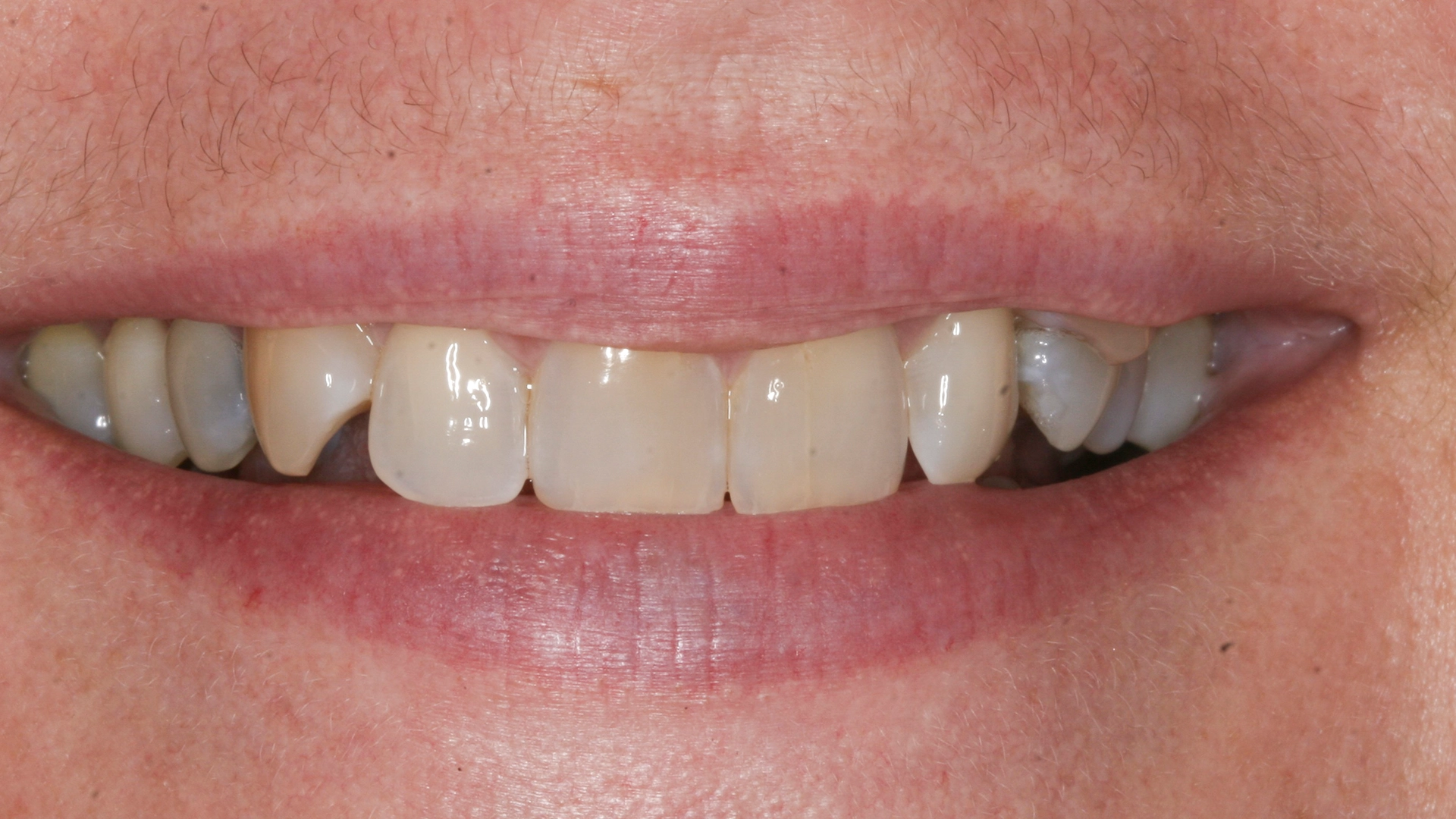
Age 7 vs. Age 13: How Jaw Growth Affects Treatment Options and Outcomes
Age can provide context, but it does not replace an assessment. The same age may be appropriate for treatment in one child and monitoring in another, depending on the child’s teeth, bite, growth, and treatment objectives.
Phase 1 (Interceptive) Treatment: What We Can Correct While the Jaw Is Still Growing
The service page does not describe a specific Phase 1 or interceptive treatment protocol. It also does not confirm which jaw-growth interventions are provided by the clinic.
In general, the reason timing may matter is that a growing child and a fully developed adolescent may not have identical treatment options. However, the exact effect of growth on a particular child cannot be determined from age alone.
Parents should ask:
- What problem is present now?
- Is treatment needed immediately?
- Could monitoring provide useful information?
- What might become more difficult if treatment is delayed?
- Which treatment options are suitable for this child?
These questions create a more reliable decision process than choosing treatment based only on a birthday or a fixed age threshold.
What Happens When We Miss the Growth Window: Surgical vs. Non-Surgical Outcomes
The supplied information does not provide evidence about specific growth windows, surgical treatment, or comparative surgical and non-surgical outcomes. It would therefore be inappropriate to claim that delaying treatment will necessarily lead to surgery or a particular financial consequence.
Some orthodontic cases may require more detailed evaluation than others. The clinic states that complex cases receive thorough assessment and that alternative approaches may be discussed when SureSmile clear aligners are not optimal.
The correct question is not simply, “Is my child too old?” It is, “What treatment options are clinically appropriate for my child at this stage?”
How Treatment Duration and Complexity Change When You Start at 9 vs. 14
The service page does not provide pediatric treatment-duration comparisons for starting at age 9 versus age 14. Treatment length should not be predicted from age alone.
The clinic identifies several factors that influence duration, including:
- Alignment complexity
- Bite correction needs
- Biological response
- Consistency of aligner wear
For the SureSmile cases described on the page, treatment durations ranged from 11 to 16 months. These examples involve adults aged 24, 35, and 41, so they should not be used as pediatric predictions.
Clinical Signs That Your Child May Need Early Orthodontic Intervention
Persistent Mouth Breathing and Its Effect on Palate Development
The provided clinic information does not discuss mouth breathing, palate development, or a specific assessment pathway for these concerns. Persistent mouth breathing may require appropriate clinical evaluation, but no conclusion about orthodontic treatment should be made from this symptom alone.
Premature or Delayed Loss of Primary (Baby) Teeth
The service page does not identify early or delayed loss of baby teeth as a condition treated through a specific D’Amico Dental Care protocol.
Parents can still raise concerns about the timing of tooth loss during an orthodontic consultation. The relevant next step is assessment of the child’s current tooth positions, eruption pattern, bite, and overall treatment objectives.
Crossbite, Open Bite, or Significant Overjet in Mixed Dentition
The page does not specifically list crossbite, open bite, or overjet in children. It does state that the clinic evaluates bite mechanics and treats mild to moderate bite misalignment in suitable clear-aligner cases.
A visible bite difference does not automatically determine the treatment method. Case selection and planning are important, particularly where growth and developing teeth are involved.
Visible Crowding as Permanent Teeth Begin to Erupt
Crowding is listed among the orthodontic concerns the clinic has successfully treated with SureSmile. However, the supplied material does not specify how pediatric crowding is evaluated or when treatment should begin.
A consultation can help distinguish between a situation that requires active treatment and one that is better monitored while more permanent teeth erupt.
Functional Shifts: When the Jaw Moves Sideways to Close
Functional jaw shifts are not specifically addressed in the service page. If a child’s jaw appears to move sideways when closing, parents should mention this during an assessment rather than assuming that clear aligners, braces, or immediate treatment will be appropriate.
Understanding the Cost of Orthodontic Treatment for Children in Wayland and Watertown
How Early Intervention Can Reduce Overall Treatment Costs by Avoiding Complex Procedures Later
The supplied information does not prove that early intervention reduces total cost or prevents a specific later procedure. It also does not support the claim that waiting until age 13 creates a guaranteed $2,000 mistake.
Orthodontic cost depends on case complexity, treatment duration, the number of aligners and refinements, and the treatment scope. Earlier assessment may still be valuable because it clarifies whether treatment is needed, when it may be appropriate, and what options should be considered.
Financing Options and Payment Plans Available at D’Amico Dental Care
D’Amico Dental Care states that it provides clear, all-inclusive pricing, with no hidden fees or surprise charges. The page also states that treatment includes adjustments and refinements, and that flexible payment options are available.
The exact payment terms, eligibility requirements, and pediatric pricing are not provided. These details should be confirmed directly during the consultation.
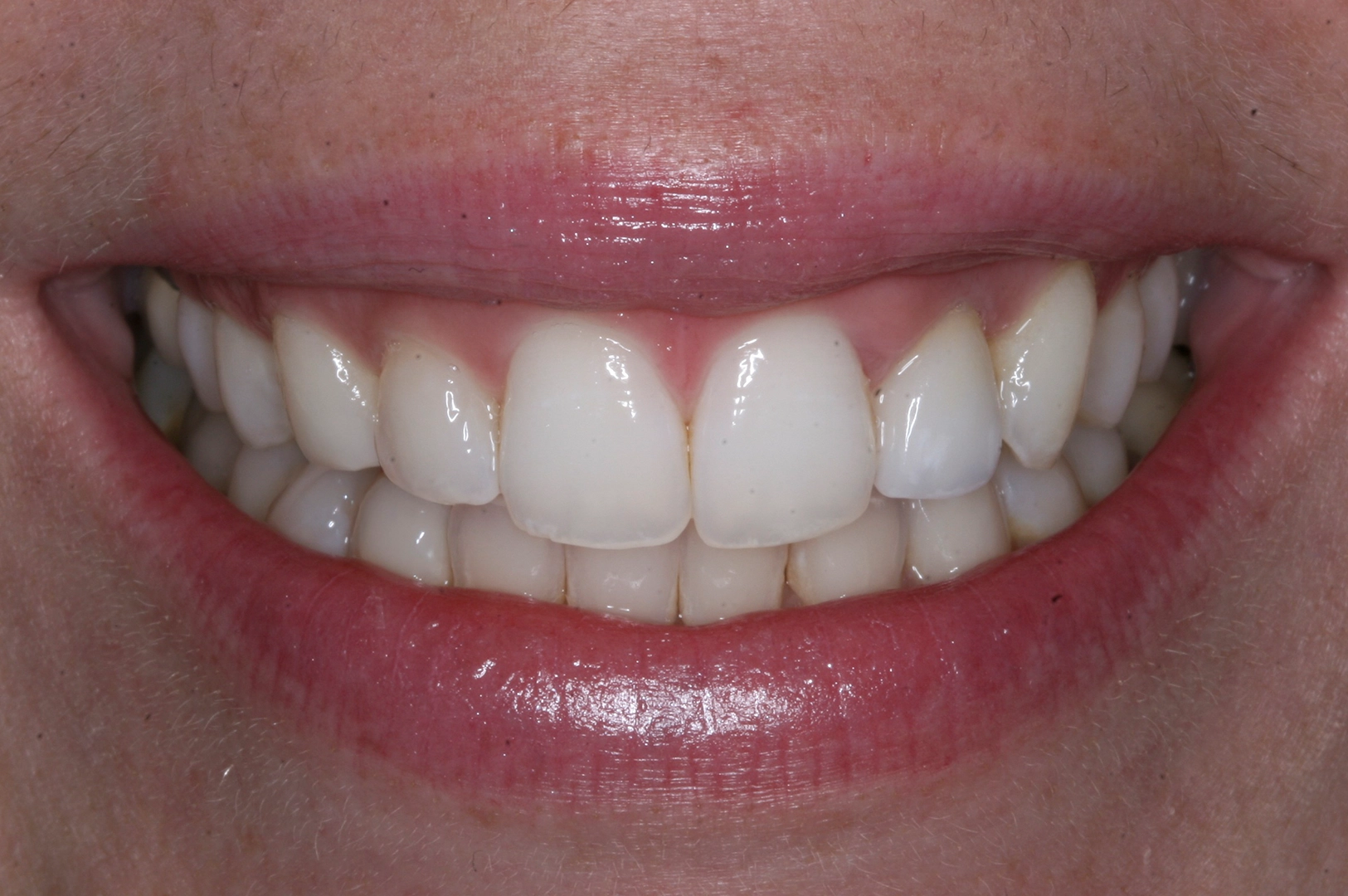
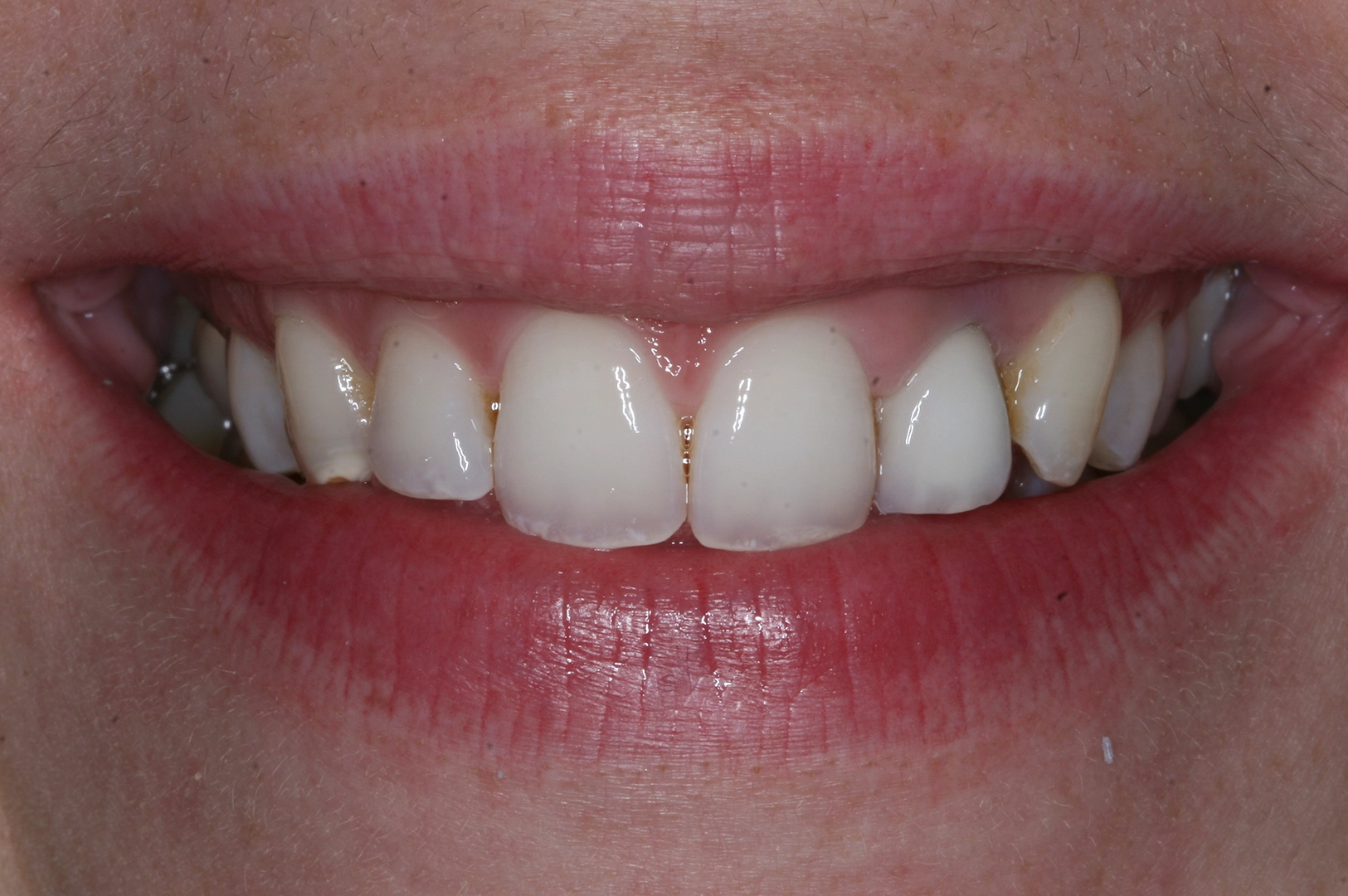
What to Expect During Your Child’s First Orthodontic Assessment at D’Amico Dental Care
Digital Imaging and Cephalometric Analysis: How We Evaluate Jaw Growth
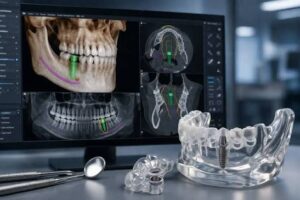
The page confirms digital scanning of current tooth positions and complete digital mapping for SureSmile treatment planning. It does not confirm cephalometric analysis, specific X-ray protocols, or a particular method for evaluating jaw growth.
The clinic’s documented consultation process includes:
- A complete oral examination
- Digital scanning
- Discussion of concerns and objectives
- Review of treatment options
- Transparent cost information
Any imaging beyond digital scanning should be confirmed during the appointment.
How We Determine Whether Your Child Needs Treatment Now or Simply Monitoring
The available information does not provide a detailed pediatric decision protocol. However, the clinic states that treatment planning considers the patient’s starting position, treatment objectives, bite mechanics, biological response, and long-term retention.
That means an appropriate recommendation may involve immediate treatment, future treatment, or continued monitoring. The decision should be based on the child’s clinical findings rather than age alone.
Creating a Long-Term Treatment Plan Tailored to Your Child’s Development
The service page describes a structured planning process for SureSmile cases. It includes a custom treatment simulation, review of projected outcomes, confirmation of the timeline, and an opportunity to address questions before treatment begins.
For suitable patients, treatment also includes progress monitoring, a direct communication channel with the orthodontic team, and a retention phase with custom retainers and a long-term stability protocol.
For a child, the specific plan, treatment method, timing, and retention approach must be determined after assessment.
A consultation at D’Amico Dental Care can help clarify whether your child needs orthodontic treatment now, should be monitored, or may be better assessed again at a later stage. The useful first step is not choosing a treatment based on age. It is understanding the child’s current development, available options, expected timeline, and cost.
Frequently Asked Questions About Children’s Orthodontic Treatment
1. Does an early orthodontic evaluation mean my child needs braces immediately?
No. An early evaluation does not automatically mean that treatment should begin immediately.
The purpose of an assessment is to understand the child’s current dental and bite development. Depending on the findings, the recommended next step may be active treatment, observation, or a future review.
2. Can children be treated with SureSmile clear aligners?
Suitability depends on the child’s teeth, bite, treatment objectives, ability to follow the aligner-wear instructions, and the complexity of the case.
The clinic states that SureSmile clear aligners have been used for concerns including crowded teeth, spacing issues, mild to moderate bite misalignment, relapsed orthodontic cases, and adult orthodontic needs. The page does not establish that every child or every pediatric orthodontic case is suitable for SureSmile.
Complex cases require thorough evaluation. If clear aligners are not the most appropriate option, alternative approaches can be discussed.
3. Are clear aligners painful for children?
Clear aligners apply controlled, gradual force. The clinic explains that patients may experience mild pressure or temporary awareness during the first days of a new aligner.
The exact experience can vary between patients. Children and parents should discuss any significant or persistent discomfort with the orthodontic team.
4. How long does children’s orthodontic treatment usually take?
There is no single treatment duration for every child. The timeline depends on alignment complexity, bite correction needs, biological response, treatment objectives, and consistency with aligner wear when aligners are prescribed.
The service page states that most SureSmile cases at the clinic are completed within 6 to 18 months. This range should not be treated as a guaranteed pediatric timeline. A child’s individual duration should be discussed during treatment planning.
5. How does D’Amico Dental Care plan orthodontic treatment?
For suitable SureSmile cases, the process includes digital scanning, complete digital mapping, a custom treatment simulation, review of projected outcomes, timeline confirmation, and an opportunity to address questions before treatment begins.
During active treatment, aligners may be changed every 1 to 2 weeks as prescribed, with progress monitoring every 6 to 8 weeks. The exact schedule depends on the individual treatment plan.
6. Can parents see the expected result before treatment begins?
For SureSmile treatment planning, the clinic provides a digital simulation of the projected final result.
This simulation is intended to show how the planned tooth movements are expected to progress. It is not a promise that every clinical detail will be identical in every patient. The final treatment plan and expected outcome depend on the child’s starting position, objectives, biological response, and treatment compliance.
7. What happens if my child’s orthodontic problem is too complex for clear aligners?
Complex cases receive a thorough evaluation. The clinic states that some cases may require additional attachments, longer planning phases, or hybrid approaches.
If SureSmile is not considered optimal for the child’s situation, the treatment options and reasons for that recommendation should be explained before the family makes a decision.
8. Does D’Amico Dental Care treat families from nearby towns and communities?
Yes. D’Amico Dental Care serves families from the greater Wayland and Watertown, Massachusetts area. The clinic frequently welcomes patients from Wayland Center, Cochituate, North Wayland, South Wayland, Sudbury, Weston, Lincoln, Natick, Watertown Square, East Watertown, Coolidge Square, Belmont, Waltham, Newton, Cambridge, and Brighton.
The clinic states that its streamlined treatment process and efficient visits may make travel practical for families who live outside the immediate area. The appropriate visit schedule depends on the child’s treatment plan.