Quick Summary
- Not every crooked tooth needs treatment. Orthodontics may be recommended for bite problems, crowding, difficulty cleaning, or changes in tooth position.
- Small changes can be worth checking. Tooth movement, food trapping, and changes in your bite may indicate an issue, but none proves that braces or aligners are necessary.
- Adults can have orthodontic treatment. Suitability depends on gum health, bone support, tooth position, and the treatment required, not age alone.
- Waiting does not automatically make treatment more expensive. However, some problems can become more complex over time.
- The best first step is an assessment. At D’Amico Dental Care, digital scanning, a discussion of your goals, and a review of treatment options help clarify whether SureSmile® clear aligners are suitable for you.
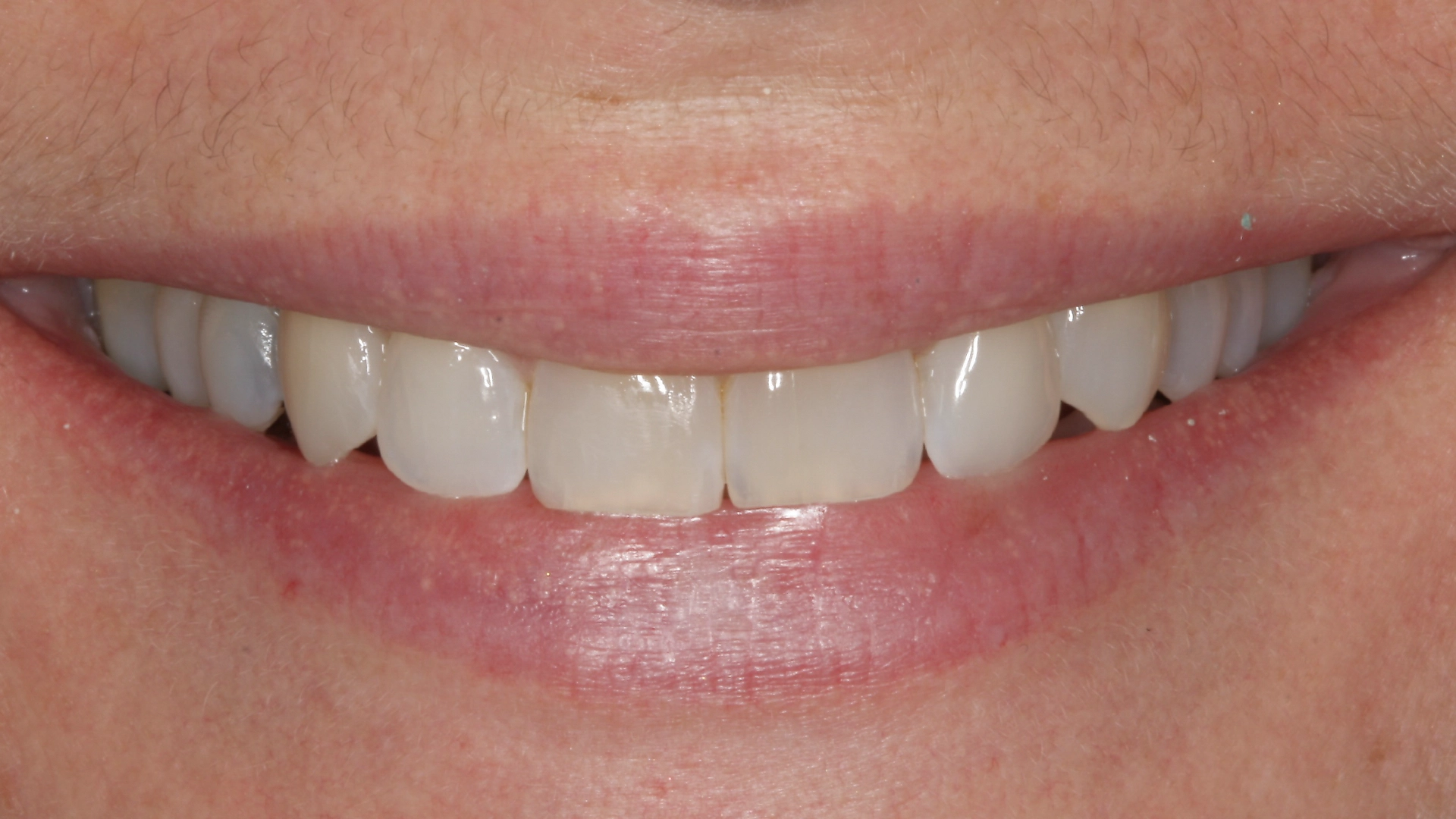
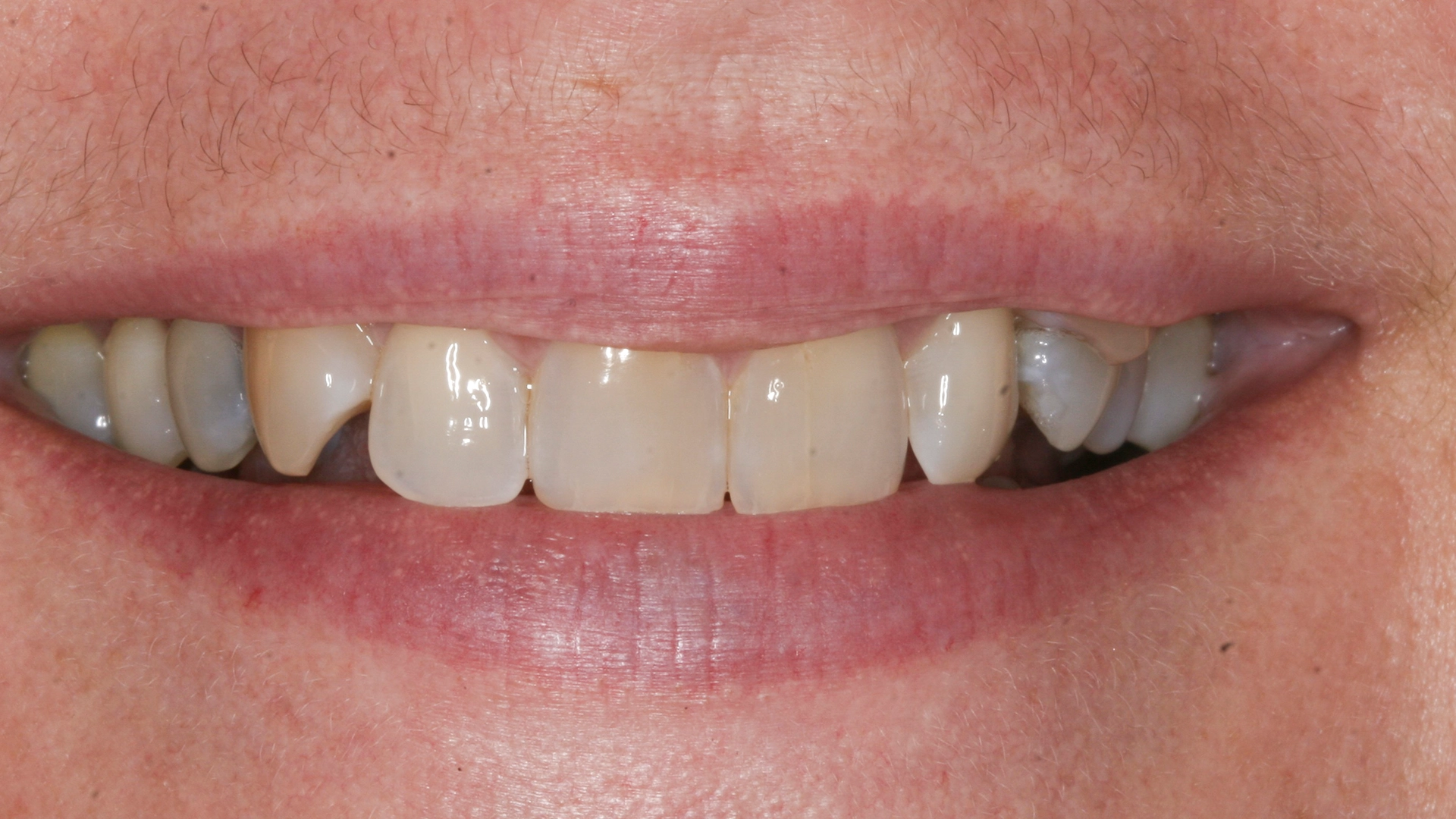
The Honest Answer: Do You Really Need Orthodontic Treatment, or Is It Just Cosmetic?
Orthodontic treatment moves teeth into better positions and can improve how the upper and lower teeth meet. Whether you need it depends on more than appearance. Your bite, gum health, ability to clean your teeth, and long-term dental stability all matter.
The Difference Between “Wanting Straighter Teeth” and “Needing Treatment”
Wanting a straighter smile is a valid reason to explore orthodontics. But a treatment recommendation should also consider your oral health and what you hope to change.
Crowding, gaps, an overbite, or teeth that do not meet properly may justify an assessment. Some alignment differences are harmless, while others can affect chewing or make cleaning harder.
The key question is not whether your teeth are perfectly straight. It is whether their position creates a problem or whether changing it would meet a meaningful personal goal.
Can Ignoring Misaligned Teeth Actually Damage Your Jaw and Gums?
Sometimes, misalignment makes certain areas harder to clean, increasing the risk of plaque buildup, gum inflammation, or tooth decay. Some bite patterns may also contribute to uneven tooth wear.
However, crooked teeth do not automatically cause gum disease, jaw pain, or damage. These problems have several possible causes, and orthodontics is not a guaranteed solution for all of them.
At What Age Is It “Too Late” for Braces or Aligners?
There is no universal age limit for adult orthodontics. Treatment may be possible in your 30s, 40s, or later if your teeth and supporting tissues are healthy enough.
The important factors are gum stability, bone support, bite mechanics, and the movements required. At D’Amico Dental Care, SureSmile® clear aligners are considered according to individual suitability, with alternatives discussed when appropriate.
7 Silent Signs Your Teeth Are Shifting Right Now, Even If You Can’t See It Yet
Sign #1: Your Teeth Look Straighter in Old Photos (Yes, They Were Different)
Comparing photographs from several years ago may reveal changes in tooth position, especially around the lower front teeth. Adult teeth can shift over time, including after previous orthodontic treatment.
Photos are useful clues, not diagnostic evidence. Differences in lighting, angles, and facial expression can also change how your smile looks.
Sign #2: You Wake Up With Jaw Pain or Headaches You Can’t Explain
Morning jaw discomfort or headaches can be associated with teeth grinding, clenching, or other jaw-related conditions. However, they do not necessarily mean your teeth are misaligned.
An assessment can help identify whether your bite is relevant or whether another cause needs attention. Aligners should not be assumed to resolve unexplained headaches.
Sign #3: Food Keeps Getting Stuck Between the Same Two Teeth
Repeated food trapping may result from a gap, overlapping teeth, changes in contact between teeth, or a problem with a filling or crown.
If it happens regularly, have the area checked. Orthodontic treatment may help when tooth position is responsible, but restoring the contact or treating gum problems may be more appropriate in other cases.
Sign #4: Your Bite Feels “Off” When You Chew on One Side
Notice whether your teeth meet differently or whether chewing feels uneven. These changes can relate to tooth movement, a damaged tooth, a restoration, or other bite problems.
A bite that feels different deserves an explanation before a treatment decision. Orthodontics may help some bite problems, but not every change requires braces or aligners.
Sign #5: You’ve Started Avoiding Smiling in Photos (Be Honest)
If tooth alignment affects how you feel about your smile, that matters too. Orthodontics can address concerns such as crowding, gaps, and certain bite differences.
You do not need a medical problem to ask about cosmetic treatment. The important thing is to understand what treatment can realistically change and whether the expected result matches your goals.
Sign #6: One Tooth Is Slightly Overlapping or Rotating More Than Last Year
A tooth that appears increasingly rotated or crowded may have changed position. Previous orthodontic treatment does not prevent future movement, particularly if retainers are no longer worn as prescribed.
Compare recent photographs if helpful, but arrange an examination if the change is noticeable. A clinician can assess whether it reflects normal variation, relapse, or another dental issue.
Sign #7: Your Dentist Mentioned “Crowding” or “Overbite” at Your Last Checkup
Crowding means there is insufficient space for teeth to sit in their intended positions. An overbite describes the vertical overlap of the upper front teeth over the lower front teeth.
Neither term automatically means you need treatment. The degree of misalignment, tooth wear, gum health, and your goals help determine whether orthodontics would be beneficial.
What Happens If You Wait? The True Cost of Delaying Orthodontic Treatment
The Domino Effect: How One Crooked Tooth Can Shift Your Entire Bite Over 2–5 Years
Teeth can move gradually, but there is no reliable timeline that applies to everyone. One overlapping tooth does not inevitably cause the entire bite to change within two to five years.
If you notice progressive movement, an early assessment establishes a useful baseline. It can help distinguish a stable alignment issue from a change that deserves monitoring or treatment.
TMJ, Gum Recession, and Enamel Wear, The Hidden Problems Nobody Warns You About
Jaw joint disorders, gum recession, and enamel wear deserve proper assessment, but they should not automatically be blamed on crooked teeth.
Grinding, gum disease, brushing habits, tooth anatomy, and other factors may contribute. Orthodontics can improve selected bite relationships, but it cannot guarantee prevention or reversal of these conditions.
Why Treatment at 30 Costs More (and Takes Longer) Than Treatment at 25
Turning 30 does not automatically make orthodontic treatment more expensive or slower. Cost and duration depend on the complexity of tooth movement, bite correction, biological response, and the consistency of aligner wear.
At D’Amico Dental Care, most SureSmile® cases take approximately 6 to 18 months, although individual timelines vary. A consultation provides a more meaningful estimate than age alone.
Why Patients Choose D’Amico Dental Care for Braces and Aligners
Our Free 3D Smile Scan: See Your Future Smile Before You Commit to Anything
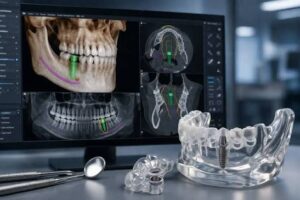
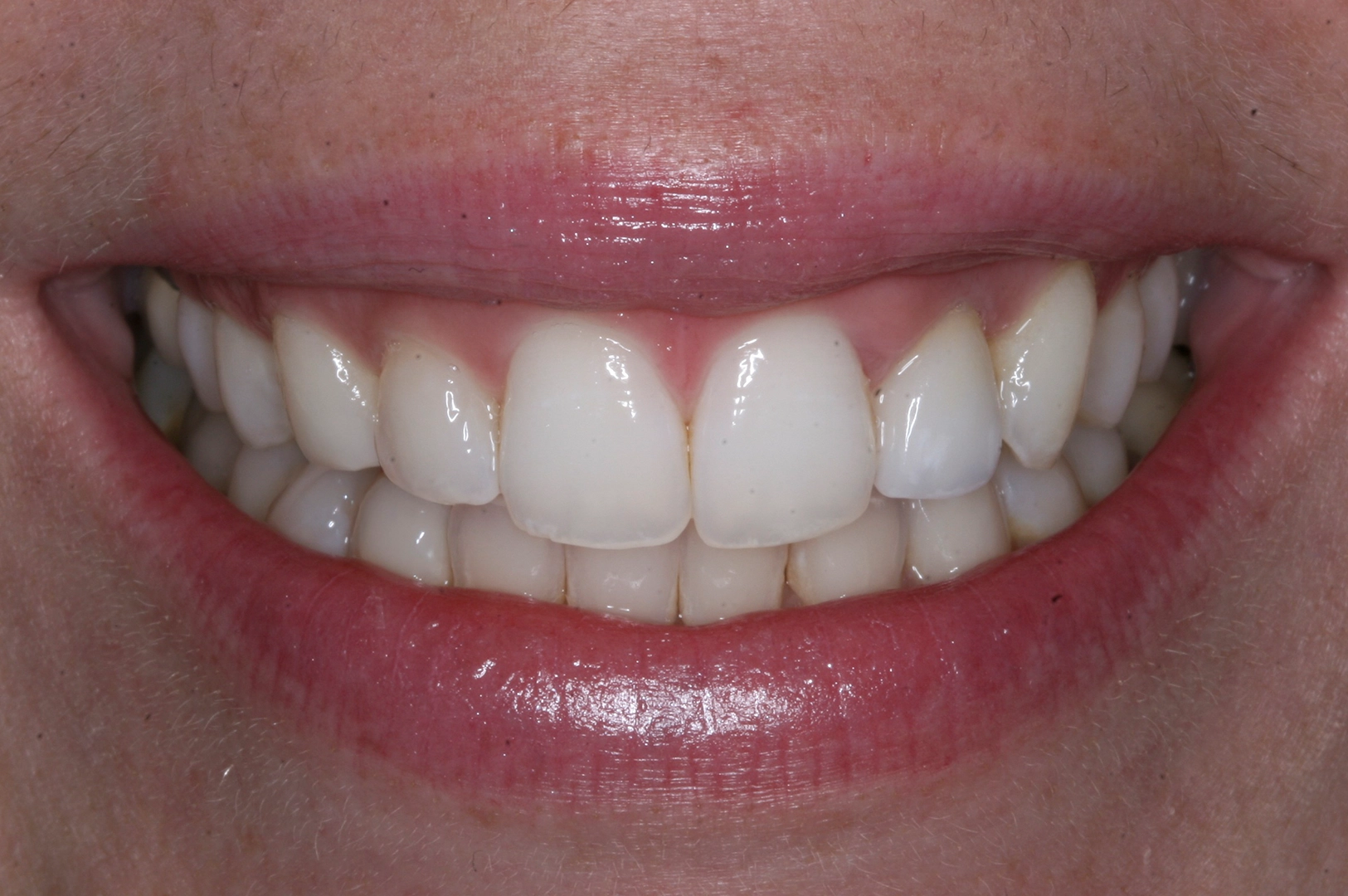
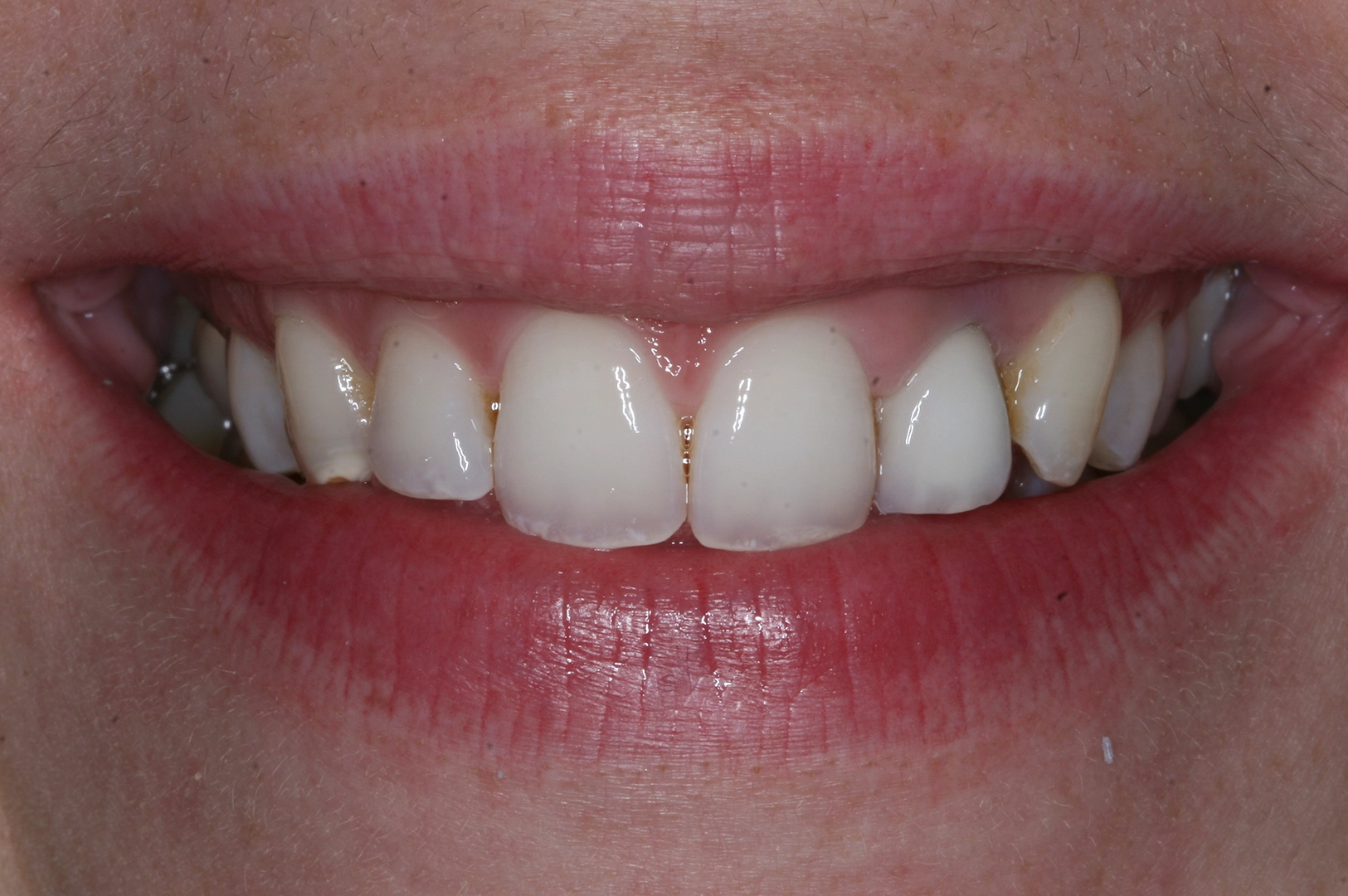
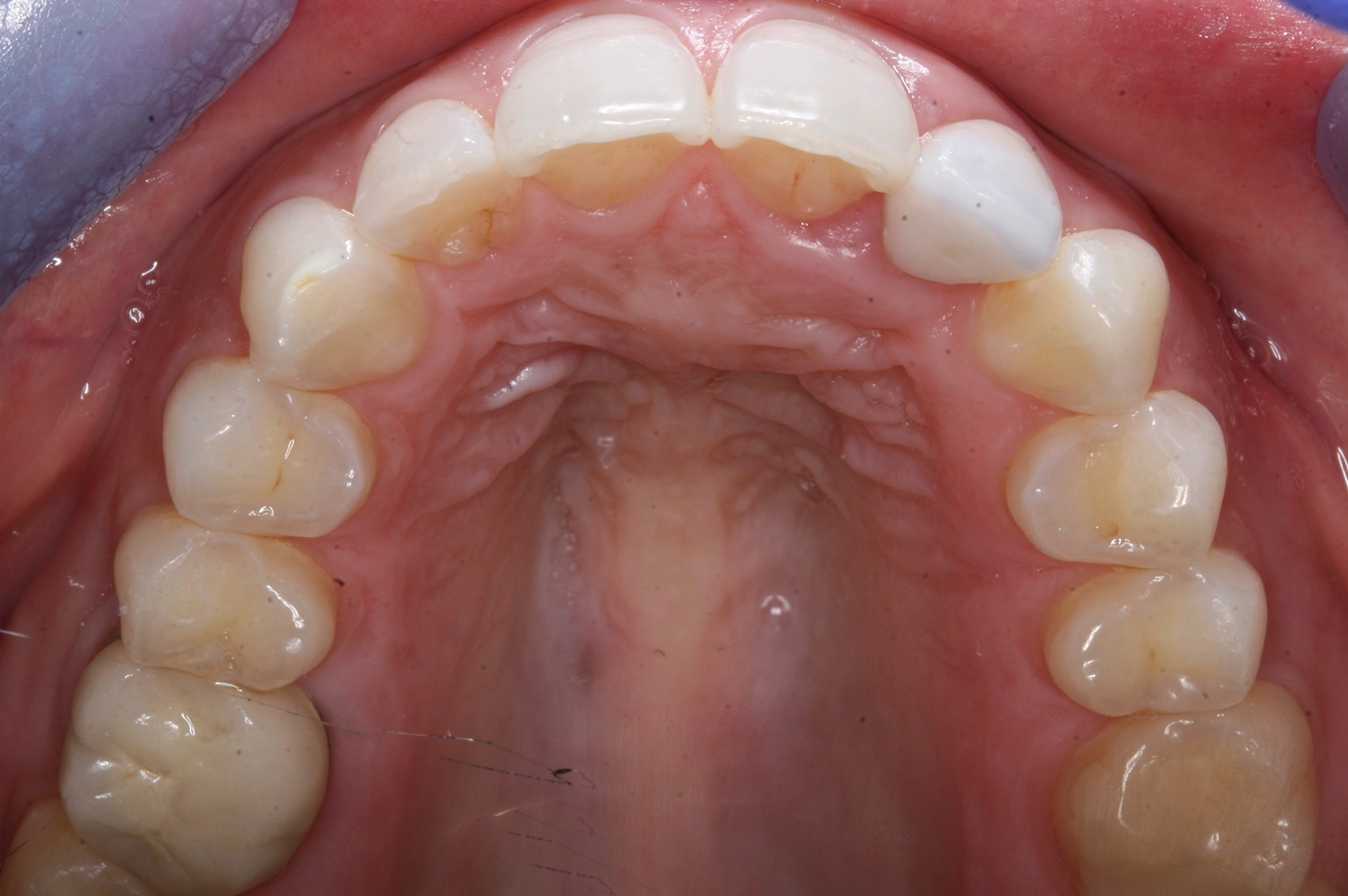
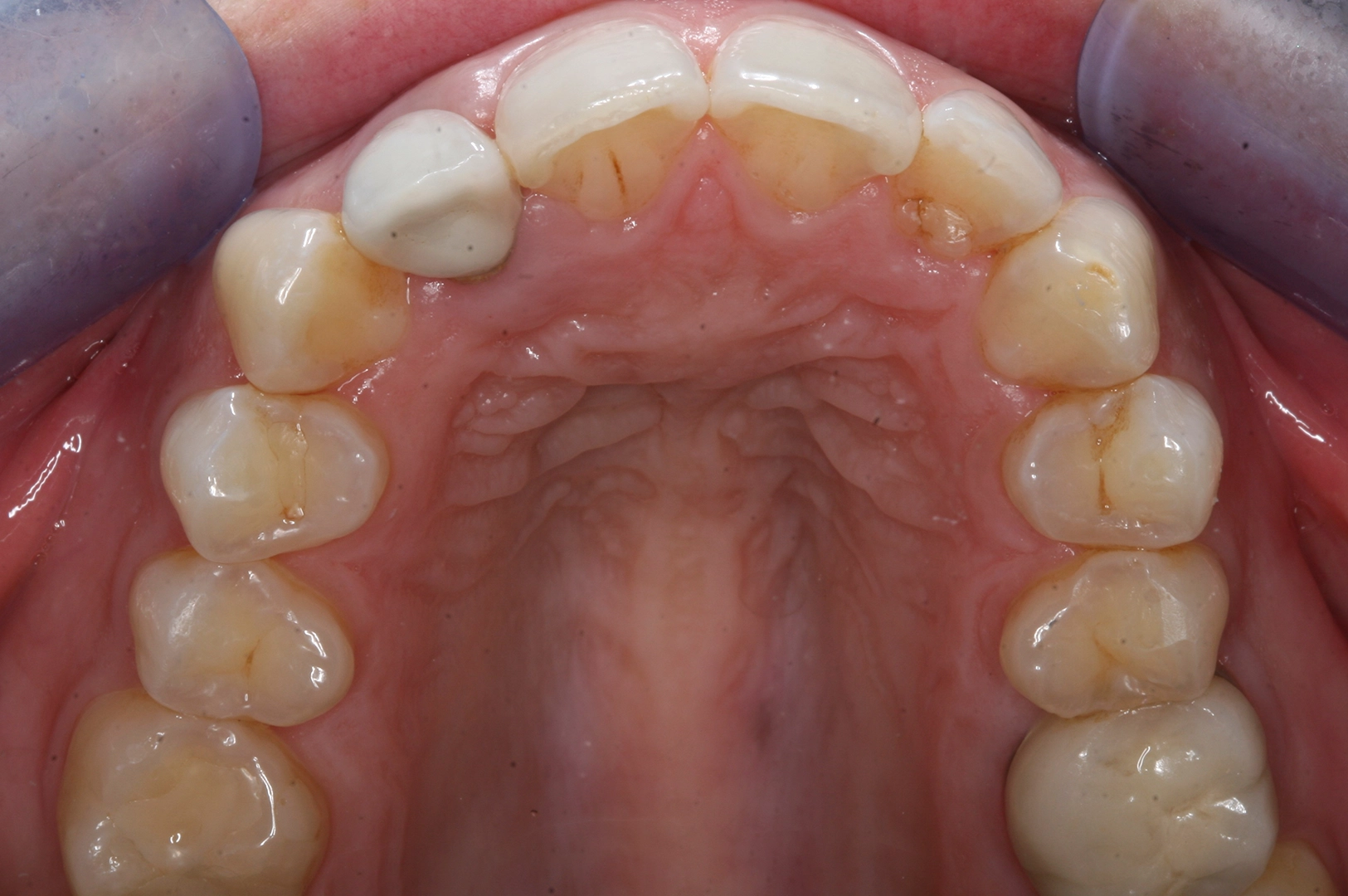
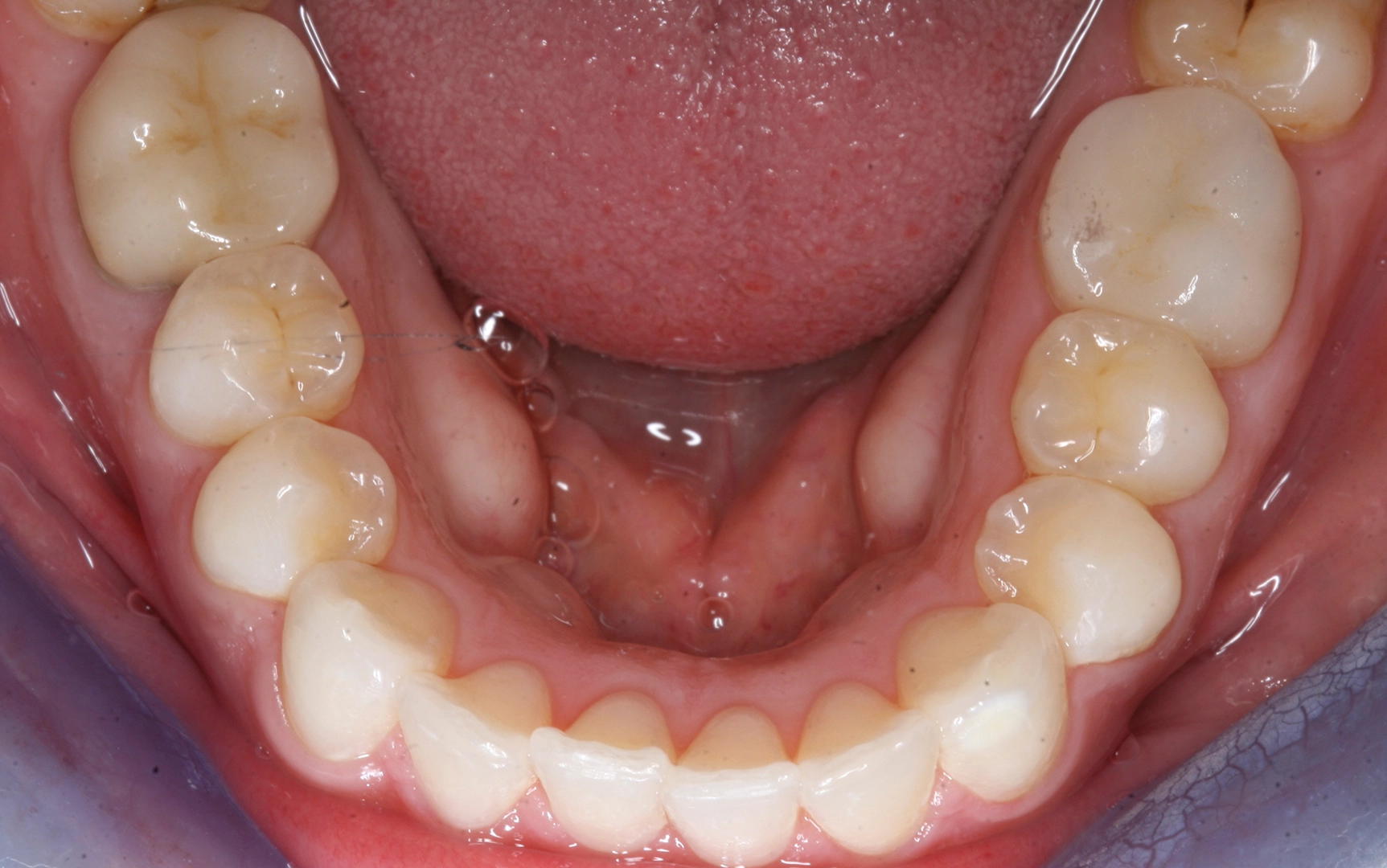
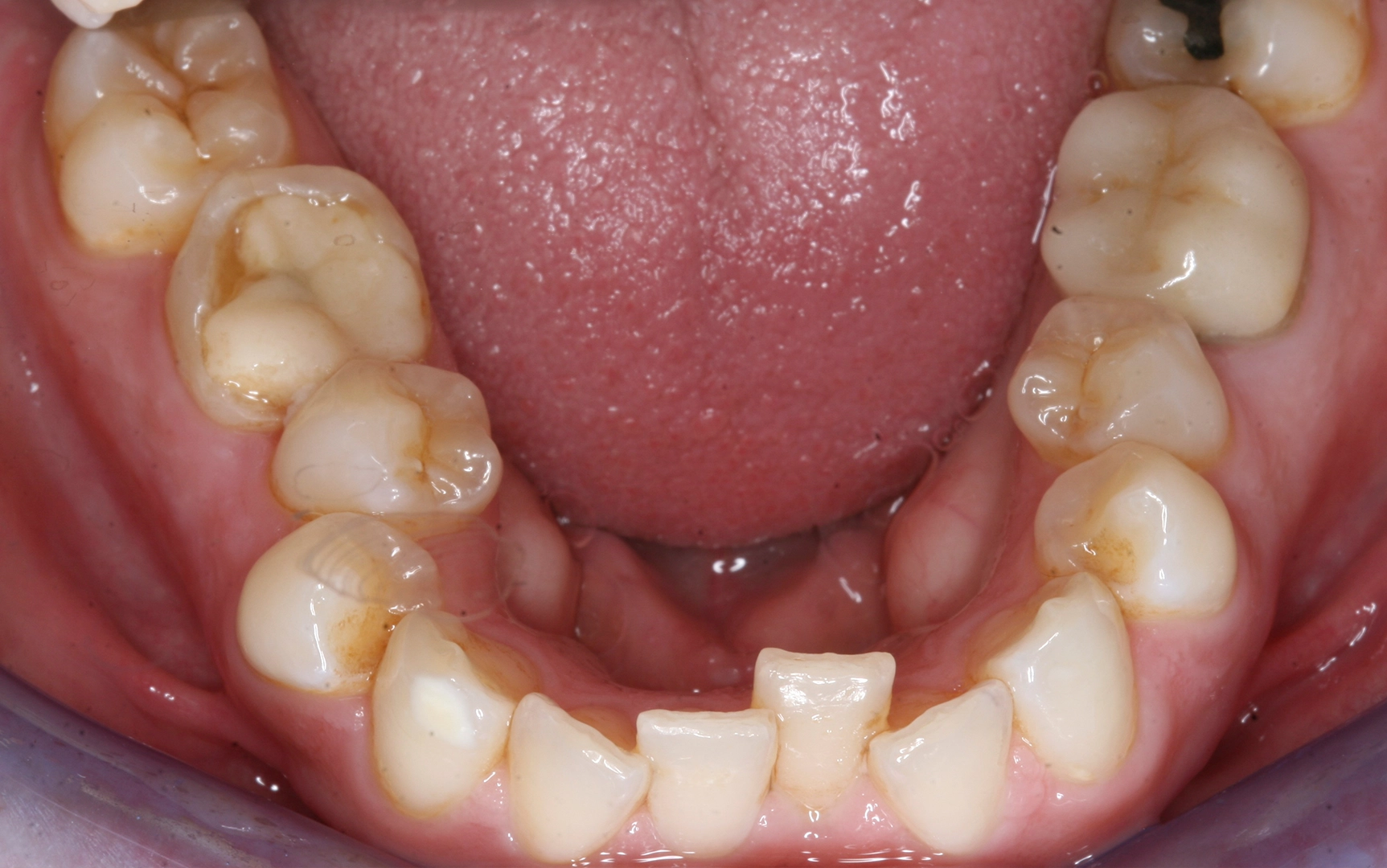
A digital scan records your current tooth positions and supports treatment planning. With SureSmile®, a digital simulation can illustrate the projected result and planned tooth movements before treatment begins.
This helps you understand the proposed changes, discuss your priorities, and ask questions before deciding. A simulation is a planning tool, not a guarantee that every tooth will move exactly as predicted.
Flexible Payment Plans That Fit Your Budget
Orthodontic treatment is both a clinical and financial decision. Before proceeding, ask what the proposed fee includes, whether adjustments and refinements are covered, and whether additional costs could arise.
D’Amico Dental Care offers transparent, all-inclusive orthodontic pricing and flexible payment options. Understanding the treatment scope and payment arrangements in advance makes it easier to assess whether the plan suits your circumstances.
Next Step:
You do not need to decide on braces or aligners simply because you recognise one of these seven signs. Start by understanding what is happening with your teeth and whether treatment would offer a meaningful benefit.
At D’Amico Dental Care in Wayland and Watertown, Massachusetts, an orthodontic consultation includes an oral examination, digital scanning, a discussion of your goals, and a review of suitable options.
Book an orthodontic consultation to understand your bite, explore your treatment choices, and receive an individual estimate of the expected timeline and cost. If SureSmile® clear aligners are not appropriate for your needs, alternative approaches can be discussed. The goal is a well-informed decision, not treatment for its own sake.
Frequently Asked Questions About Braces and Clear Aligners
1. How do I know if I really need braces or clear aligners as an adult?
You may benefit from orthodontic treatment if you have crowded teeth, gaps, overlapping teeth, an overbite, or a bite that does not fit together comfortably. However, not every alignment issue requires treatment. An orthodontic assessment can evaluate your tooth positions, bite, gum health, and treatment goals to determine whether braces or clear aligners are appropriate for you.
2. Can my teeth become crooked again years after wearing braces?
Yes. Teeth can gradually move after orthodontic treatment, a process known as orthodontic relapse. This can happen if retainers are not worn as prescribed or if other factors contribute to changes in tooth position. If you notice new crowding or overlapping teeth, an assessment can determine whether you need a replacement retainer or further orthodontic treatment.
3. Can clear aligners correct an overbite, crowded teeth, or gaps between teeth?
SureSmile® clear aligners can treat many cases involving crowding, gaps, and mild to moderate bite misalignment. Suitability depends on the type and complexity of the tooth movements required. Some cases may need additional attachments, longer planning, or a combination of orthodontic approaches. At D’Amico Dental Care, an individual assessment helps determine whether clear aligners are suitable for your needs.
4. Can misaligned teeth cause jaw pain, headaches, or uneven tooth wear?
Misaligned teeth and certain bite relationships may contribute to uneven tooth contact or wear, but jaw pain and headaches can have several causes, including teeth grinding and jaw joint disorders. Orthodontic treatment does not resolve every case of jaw pain. A dental examination can help identify whether your bite is relevant and whether additional assessment is needed.
5. How long does orthodontic treatment with SureSmile® clear aligners take?
Many SureSmile® treatments at D’Amico Dental Care take approximately 6 to 18 months, depending on the initial tooth positions, treatment complexity, bite correction needs, and consistency of aligner wear. Aligners are changed every 1 to 2 weeks as prescribed, with progress checks generally scheduled every 6 to 8 weeks. Your individual treatment plan provides a more specific estimate.
6. Is orthodontic treatment with clear aligners painful, and will I need to change my daily routine?
You may feel temporary pressure or tenderness when starting a new set of aligners. The experience varies from person to person. Because clear aligners are removable, you can take them out for meals and brush and floss your teeth normally before putting them back in. You must still follow your prescribed wearing schedule for treatment to progress as planned.
7. How much do braces or SureSmile® clear aligners cost, and what should the price include?
The cost depends on the complexity of your case, the expected treatment duration, and the number of aligners and refinements required. Before starting, ask whether the quoted fee includes treatment planning, progress monitoring, adjustments, refinements, and retainers. D’Amico Dental Care offers transparent, all-inclusive orthodontic pricing and flexible payment options. Your consultation is the opportunity to review the treatment scope and understand the financial commitment before proceeding.
8. Does D’Amico Dental Care provide orthodontic treatment for patients from nearby towns and neighborhoods?
Yes. D’Amico Dental Care serves patients in Wayland and Watertown, Massachusetts, as well as people from surrounding communities. Patients may visit from Wayland Center, Cochituate, North Wayland, South Wayland, Sudbury, Weston, Lincoln, Natick, Watertown Square, East Watertown, Coolidge Square, Belmont, Waltham, Newton, Cambridge, and Brighton. If you are considering braces or SureSmile® clear aligners, an orthodontic consultation can help you understand your treatment options, expected timeline, and costs before making a decision.