Imagine walking into a dental office with a damaged tooth and walking out just two hours later with a new, permanent ceramic crown. No need for a temporary crown, no traditional, messy impressions, and no second appointment. This isn’t science fiction; it’s the reality of CEREC technology at D’Amico Dental Care.
But is faster always better?
For patients in Wayland and Watertown, the choice between in-office crafted crowns and traditional lab-made crowns is a common dilemma. Understanding the key differences in CEREC vs traditional crowns is essential for making the right decision. While same-day crowns offer unparalleled convenience, traditional crowns remain the gold standard for certain complex aesthetic cases.
To make an informed choice, it’s helpful to look at the CAD/CAM dental crowns’ pros and cons alongside the traditional method. In this comprehensive guide, we will explore the durability, aesthetics, cost, and comfort of both procedures to help you choose the best option for your smile. With an unbiased, fact-based comparison of CEREC vs traditional crowns, we’ll clear the confusion so you can make the most informed decision for your dental health.
The Contenders: Defining the Technologies
When you need a dental crown, you have two main technological paths: in-office digital fabrication (CEREC) and traditional lab fabrication. Understanding the core differences in CEREC vs traditional crowns is the first step to making an informed choice that’s right for you.
Understanding CEREC® Crowns (CAD/CAM)
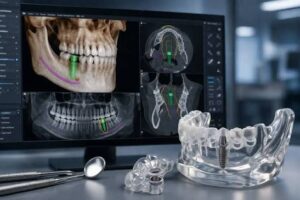
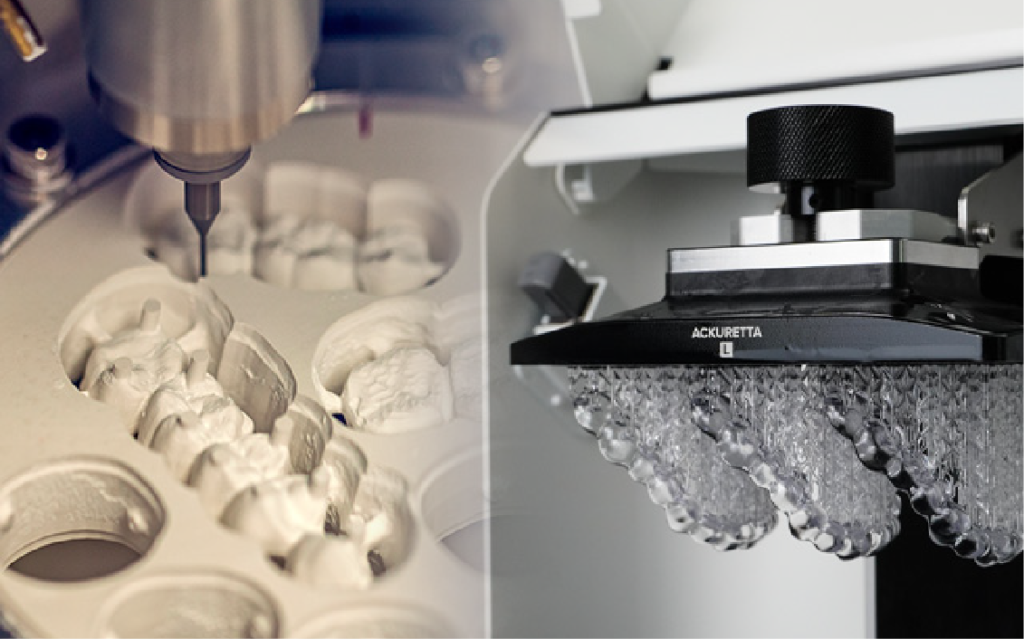
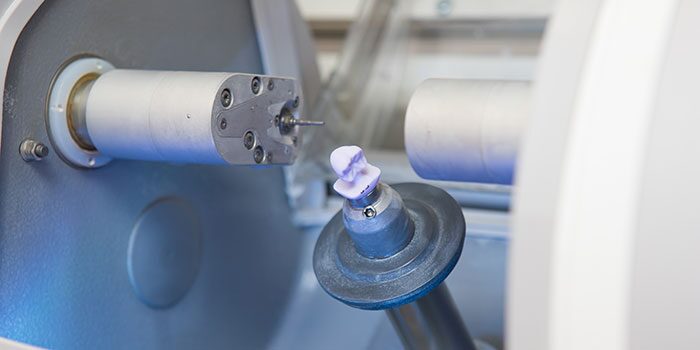
CEREC, which stands for “Chairside Economic Restoration of Esthetic Ceramics,” is an advanced CAD/CAM system. With this method, your dentist takes a 3D digital scan of your tooth. This digital design is then sent to a milling machine right in the office, which precisely carves a block of high-quality ceramic or zirconia to create your crown in a single visit. This is the process behind our popular same-day crowns in Wayland, MA, offering unparalleled convenience. The entire system is a perfect example of the advanced D’Amico Dental Care technology we use to enhance patient experience.
What Happens When You Get a Traditional Lab-Made Crown?
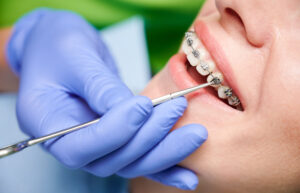
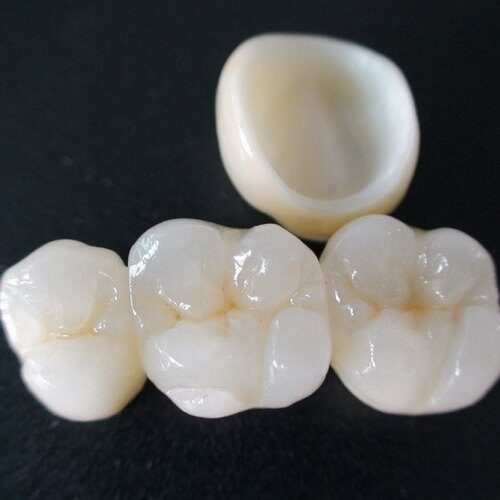
This classic method is a multi-step process. After your tooth is prepared, a physical impression (usually with a putty-like material) is taken and sent to an external dental lab. A temporary crown is then placed on your tooth. At the lab, a skilled technician artfully crafts your permanent crown by hand. This entire process takes about 2-3 weeks and requires a second appointment where the final crown is cemented onto your tooth. While it takes longer, this method is a crucial part of the discussion when comparing CEREC vs traditional crowns, as it allows for highly customized artistry in complex cases.
Head-to-Head Comparison: Analyzing the Key Differences
Choosing between CEREC and traditional crowns depends on your personal priorities. A complete understanding of the benefits and limitations of each method is the key to making the right decision. To help you navigate this common dental dilemma, let’s break down the essential CEREC vs traditional crowns differences.
Speed & Convenience: Same-Day vs. Two-Week Wait
This is CEREC’s most significant strength. If you’re a busy professional in Wayland, you’ll appreciate being able to complete your entire crown procedure, including fabrication, in just one visit. This is the ultimate convenience of same-day crowns in Wayland, MA: saving you time, reducing the need for multiple appointments, and eliminating the period with a temporary crown. In contrast, the traditional method requires at least two visits spaced 2-3 weeks apart.
Aesthetics: Which Looks More Natural?
Let’s be honest. CEREC technology is incredible and provides very natural-looking results, particularly for back teeth. However, Dr. Domenic D’Amico believes that for a front tooth, where complex shading and high translucency are critical for a seamless blend, the artistry of a Master Ceramist can be unparalleled. By hand-painting and layering porcelain in a dental laboratory, they can achieve a level of nuance and color harmony unmatched. This is a key point to consider in the CAD/CAM dental crowns pros and cons discussion.
Accuracy & Comfort: Digital Scans vs. Impression Trays
This is a significant difference in the patient experience. Many patients dislike the sensation of impression putty, including the gagging and pressure. In contrast, digital scanners use a small, comfortable optical probe that glides gently in your mouth. This advanced scanning is a core part of the modern D’Amico Dental Care technology, offering superior comfort and accuracy while eliminating potential human error in shipping impressions.
Durability: How Long Do CAD/CAM Crowns Last vs. Traditional?
The belief that CEREC crowns are less durable is an outdated myth. The modern materials used in this system, excellent zirconia blocks, offer tremendous strength and easily rival traditional crowns. With proper care, both types of crowns can last 10 to 15 years or more. The ultimate longevity depends more on your oral hygiene and habits than on the fabrication technology itself. When weighing the CAD/CAM dental crowns’ pros and cons, rest assured that durability is a strong point for both modern options.
The Procedure: A Step-by-Step Walkthrough
At D’Amico Dental Care, we proudly offer both crown fabrication methods, with the highest quality and tailored to your needs and preferences. Whether you’re considering the convenience of same-day crowns in Wayland, MA, or the crafted detail of a traditional crown, we guide you through every step.
Our Same-Day Crown Process at D’Amico Dental Care
This quick, digital journey is completed in just one appointment:
- Scan: After preparing your tooth, we take an exact 3D digital scan.
- Design (CAD): Our dentist digitally designs your crown based on the scan. This seamless process is a key advantage in the CEREC dental crown vs traditional crowns discussion.
- Milling (CAM): The design file is sent to our in-office milling machine, where your crown is carved from a solid block of high-quality ceramic. This is the heart of our advanced D’Amico Dental Care technology.
- Placement: The newly milled crown is checked for a perfect fit and then permanently bonded to your tooth.
The Traditional Route: Why It Takes Two Visits
This classic method requires a bit more time:
- Impressions: A physical impression (mold) is taken of your prepared tooth and sent to an external dental lab.
- Temporary Crown: A plastic temporary crown is made and placed. These temporaries are often less sturdy, can feel loose, may fall off, and lack the strength and aesthetics that patients desire, which is a notable difference between CEREC and traditional crowns.
- The Wait: The creation of your permanent crown at the lab takes about two weeks.
- Final Placement: At your second appointment, the temporary crown is removed, and your permanent, lab-made crown is fitted and cemented.
Pros and Cons Breakdown
Choosing between CEREC and traditional crowns depends on your personal priorities. A complete understanding of each method’s strengths and weaknesses helps you make an informed decision. Let’s break down the key CAD/CAM dental crowns pros and cons to give you a clearer picture.
Why Patients Choose Same-Day CEREC Crowns (The Benefits)
The most significant benefit of this technology is its incredible speed and convenience. You complete your entire treatment in just one session, without needing a temporary crown. This means significant time savings and fewer appointments. Furthermore, eliminating the need for traditional, uncomfortable impression putty creates a much more pleasant experience for many patients. The high precision of digital scanning and fabrication is another key strength, a direct result of the advanced D’Amico Dental Care technology. For anyone comparing CEREC vs traditional crowns, the appeal of our same-day crowns in Wayland, MA, often lies in the convenience and comfort they offer.
Are There Any Disadvantages to CAD/CAM Dentistry?
The primary limitation has traditionally been the inability to replicate the most complex shading and subtle translucency. In the traditional method, a skilled technician can hand-layer porcelain to achieve color depth and light transmission that closely mimics a natural tooth. While the materials and technology for CEREC are constantly advancing, in particular cases—such as front teeth with unique characteristics—the handcrafted artistry of a specialist might achieve a slightly higher level of visual nuance. This is an honest point in the CAD/CAM dental crowns pros and cons discussion that Dr. Domenic D’Amico will review with you based on your specific situation.
What Are the Downsides of Traditional Crowns?
This method comes with practical challenges. The temporary crown used between the two appointments is prone to feeling loose, breaking, or even falling off, and it offers less protection than a permanent crown. Additionally, you will require local anesthesia for both visits. The overall process is also more time-consuming due to the need for external lab fabrication, and there is a higher potential for error in various steps, such as taking the impression or communicating with the lab. When considering CEREC vs traditional crowns, it’s essential to factor in these potential inconveniences.
Decision Time: Should I Choose a CEREC or Traditional Crown?
This question doesn’t have a single, definitive answer for everyone. The best choice depends on your tooth’s specific needs, your lifestyle, and your aesthetic expectations. Understanding the core differences in CEREC vs traditional crowns is the first step.
When CEREC is the Best Choice (Back teeth, busy schedule)
If you need a crown on your molars (back teeth), or if time is a critical factor for you, CEREC is an ideal option. The exceptional strength of the zirconia material used in this system is ideally suited to withstand chewing forces on posterior teeth, helping you avoid a lengthy process and a temporary crown. This makes it an efficient solution for busy professionals who can’t manage multiple dental visits. The ability to get same-day crowns in Wayland, MA, is a game-changer for many patients, thanks to the advanced D’Amico Dental Care technology.
When Traditional is the Winner (High aesthetic demand front teeth)
For front teeth in your smile line, where natural aesthetics are the top priority, a traditional crown crafted by a skilled technician (ceramist) may have the edge. The hand-layering artistry of these specialists allows them to replicate the color depth, translucency, and unique characteristics of your natural tooth with exceptional subtlety. While discussing CEREC vs traditional crowns with Dr. Domenic D’Amico, he can help you determine if the artistic benefits of a lab-made crown are right for your specific situation.
Is It Better to Have a Crown or a Large Filling?
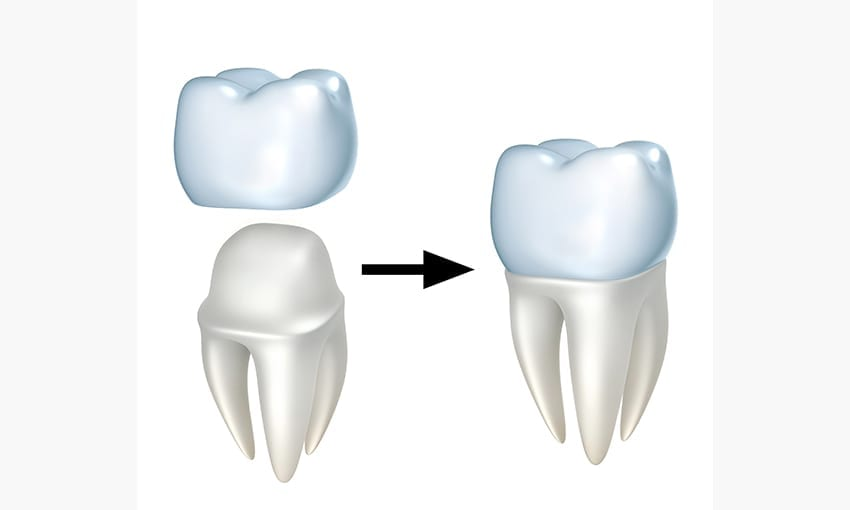
This key question depends on the amount of healthy tooth structure remaining. A good rule of thumb is this: if decay or an old filling involves more than 50% of the tooth’s crown, a large filling may not provide sufficient strength and could increase the risk of tooth fracture. In these cases, a crown acts like a protective helmet that encases the entire tooth, strengthening and shielding it against chewing forces. Essentially, a crown becomes necessary when a filling can no longer reliably restore the tooth’s function and long-term durability.
Local Guide: Cost & Availability in MA
Getting clear information about cost and treatment options is the first step in investing in your dental health.
How Much Do CEREC Crowns Cost Compared to Traditional Crowns in Wayland & Watertown?
The cost of CEREC vs traditional crowns can be comparable or slightly higher for a similar-quality crown, mainly due to the advanced technology involved. However, this investment provides significant time savings and convenience. When you choose same-day crowns in Wayland, MA, you invest in a streamlined process that eliminates intermediate steps such as traditional impressions and temporary crowns. At our practice, we provide a clear and precise cost estimate before your treatment begins.
Insurance Coverage: Does It Differ by Type?
Typically, no. Insurance companies usually reimburse based on the procedure code for a “crown” (often determined by the material), not the fabrication method (CEREC or traditional). Therefore, your insurance coverage and out-of-pocket costs are generally the same for both options. Our team will help you fully understand your benefits.
Why Choose D’Amico Dental Care for Comprehensive Restorative Care?
At our offices in Wayland and Watertown, we offer both treatment options at the highest quality, powered by our team’s expertise and advanced digital equipment. The core of the D’Amico Dental Care technology is choice. Instead of limiting you to one method, we clearly explain the pros and cons of each, providing unbiased guidance based on your tooth’s unique needs, lifestyle, and budget. Our goal is to deliver the best possible care to preserve the health and beauty of your smile for the long term, whether you select a traditional crown or our efficient same-day crowns in Wayland, MA.
D’Amico Dental Care — Watertown & Wayland MA
Ready to Take the Next Step Toward a Healthier Smile?
Schedule your personalized consultation at D’Amico Dental Care today — precise diagnostics, transparent planning, zero pressure.
FAQ
1. What's the Main Difference Between These Crowns?
CAD/CAM crowns are digitally designed and milled in-office, while traditional crowns are made in external labs.
2. How Much Time Does Each Method Take?
CAD/CAM: Single visit (2-3 hours)
Traditional: Two visits over 2-3 weeks
3. Are CAD/CAM Crowns as Durable as Traditional?
Yes, both use high-quality materials, such as zirconia and ceramics, for long-lasting restorations.
4. Do I Need a Temporary Crown With CAD/CAM?
No, you receive your permanent crown the same day, eliminating the need for temporary crowns.
5. Which Method is More Precise?
CAD/CAM technology provides exceptional precision through digital scanning and computer-guided milling.
6. Is One Method More Comfortable?
CAD/CAM eliminates the messiness of traditional impressions, making the process more comfortable for most patients.
7. Is There a Significant Cost Difference?
Prices are comparable, with CAD/CAM sometimes slightly higher due to investment in technology.
8. Which Looks More Natural?
Both can look natural, but CAD/CAM offers excellent shade matching and customization capabilities.
9. Can CAD/CAM Crowns Be Repaired Easily?
Yes, minor adjustments can often be made in the office the same day if needed.
10. How Do I Choose Between Them?
Consider your timeline, preference for digital technology, and need for single-visit convenience.