Quick Summary
- Veneers do not damage healthy teeth when planned correctly.
- Modern veneers typically require very minimal enamel removal (often 0.3–0.7 mm).
- Your natural tooth remains alive and functional underneath the veneer.
- Problems like decay or sensitivity usually happen only when planning, bonding, or hygiene is poor.
- Minimal-prep or no-prep veneers can preserve even more natural tooth structure.
- The key factor is clinical design and diagnosis, not the veneer itself.
Almost everyone in Wayland & Watertown MA asks the same question:
“Will veneers ruin my natural teeth?”
It’s a fair fear.
You’ve probably heard stories about aggressive tooth grinding, permanent damage, or teeth becoming weak forever.
The truth is far more nuanced — and far more reassuring.
This guide walks you through every real risk, every myth, and every honest answer, so you can make a decision with complete clarity.
Let’s start with the biggest fear.
Does a Veneer Require Tooth Grinding?
The Fear
Many people in Wayland & Watertown MA picture veneers as filing down the entire tooth into a tiny peg.
That image is frightening. And honestly, it’s why thousands of people delay treatment for years.
The Reality
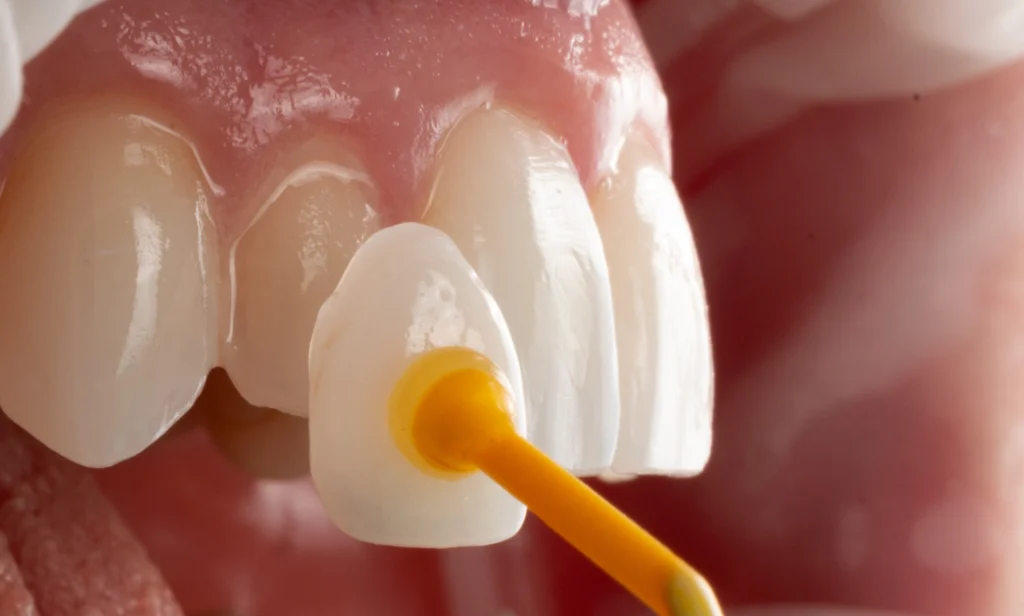
A dental veneer is a thin shell of porcelain or ceramic bonded to the front surface of a tooth to improve color, shape, alignment, and symmetry.
To make room for that shell, dentists may remove a small amount of enamel.
Typical reduction:
- 0.3 mm – 0.7 mm of enamel
- Roughly the thickness of a contact lens
- Only on the front surface, not the entire tooth
The goal is simple:
create space so the veneer sits naturally and does not look bulky.
When No Grinding Is Needed
In some situations, no enamel removal is required.
Examples include:
- Small teeth
- Slightly recessed teeth
- Teeth with natural spacing
- Smile widening cases
This is where no-prep veneers may be used.
The Blue Ocean Perspective: Veneers as “Architectural Layering”
Think of veneers less like shaving down a tooth…
and more like architectural resurfacing.
When a historic building is restored, architects often preserve the structure and enhance the facade.
Modern cosmetic dentistry follows the same philosophy:
preserve the structure, enhance the appearance.
But the next question patients ask is even more important.
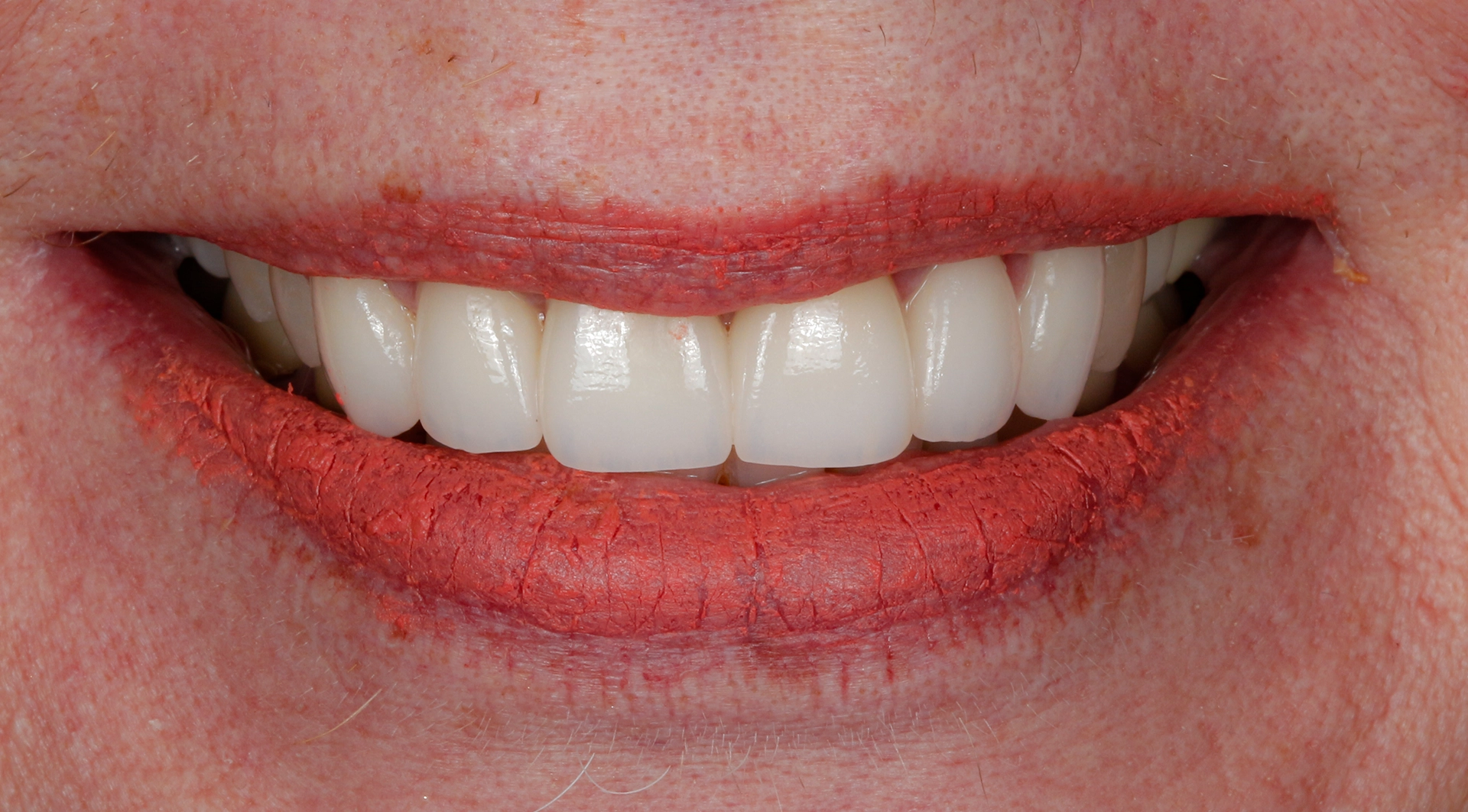
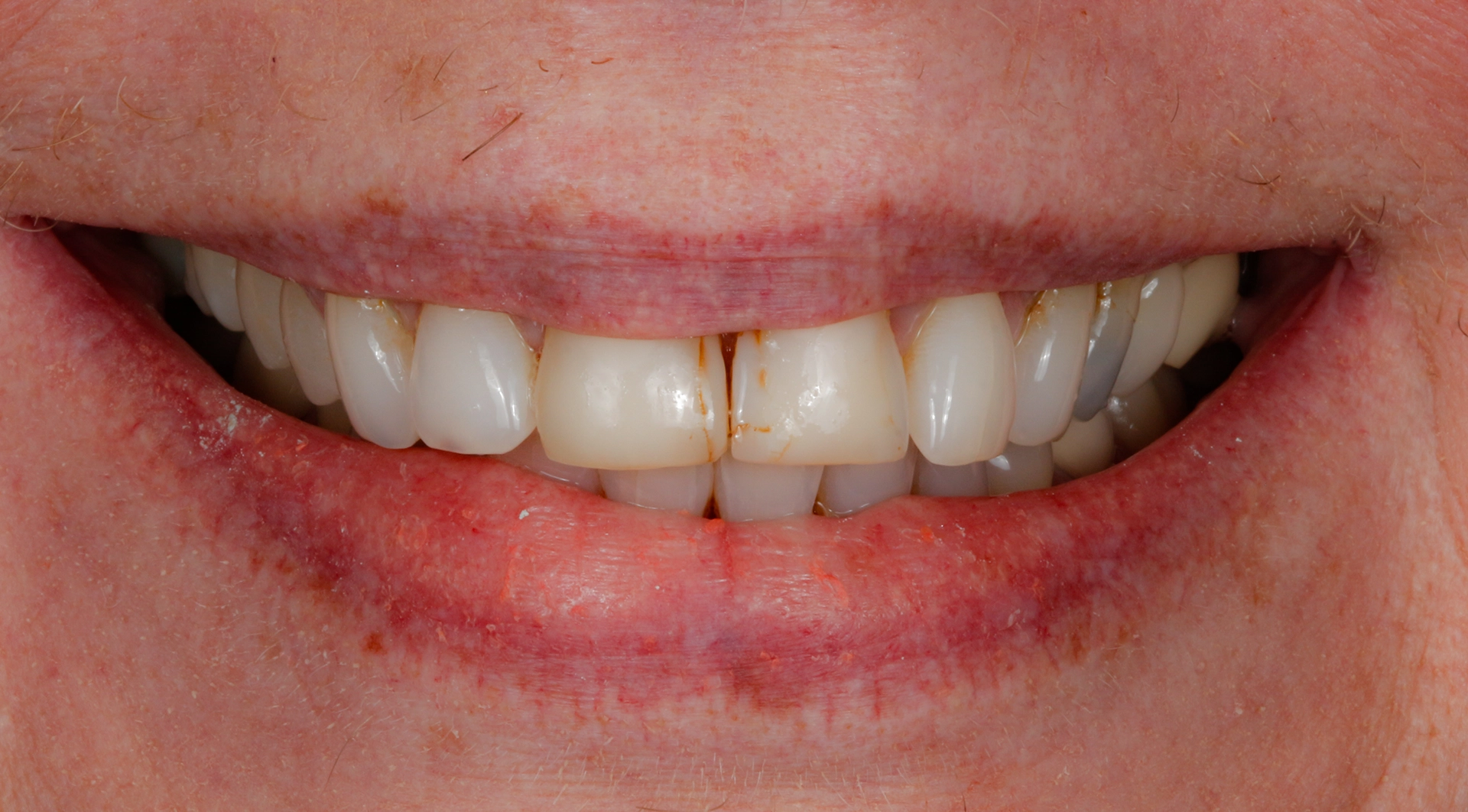
How Much of My Natural Tooth Is Removed for Veneers?
Patients in Wayland & Watertown worry:
“What if most of my tooth gets destroyed?”
This fear usually comes from seeing old veneer techniques from the 1990s.
Dentistry has changed dramatically.
Modern Veneer Preparation
With digital smile design and high-strength ceramics, dentists now aim to preserve as much enamel as possible.
Typical removal:
- Front surface: 0.3–0.5 mm
- Edge of tooth (if reshaping): 0.5–1 mm
For perspective:
- A credit card is about 0.76 mm thick
So in many cases, less than a credit card thickness is removed.
Why Enamel Matters
Bonding veneers to enamel is extremely strong.
Scientific research consistently shows:
Porcelain bonded to enamel is one of the strongest bonds in dentistry.
This is why conservative preparation is so important.
Experience Matters
In our experience treating aesthetic cases, the best cosmetic outcomes almost always come from enamel-preserving designs.
The more natural enamel remains:
- the stronger the bond
- the longer the veneer lasts
- the healthier the tooth stays
Now let’s address the question many patients are afraid to ask out loud.
Can Veneers Cause Permanent Damage?
Patients often ask quietly:
“Once I do veneers… is there no going back?”
That concern comes from the idea that the tooth is permanently altered.
The Honest Answer
Veneers are a long-term restoration, but they do not damage the tooth itself when properly done.
Here’s what actually happens:
- The natural tooth remains alive
- The nerve stays intact
- The root and structure remain functional
What changes is simply the outer enamel layer on the front surface.
When Damage Could Occur
Problems usually arise only when:
- Excessive tooth reduction occurs
- Veneers are poorly bonded
- Bite forces are not managed
- Oral hygiene is neglected
These are planning problems, not veneer problems.
Are No-Prep or Minimal-Prep Veneers Really Safe?
The Appeal
No-prep veneers sound perfect:
no drilling, no grinding, no damage.
But the full story matters.
What No-Prep Veneers Are
No-prep veneers are ultra-thin porcelain shells placed directly on the tooth surface without reducing enamel.
They work best for:
- small teeth
- worn teeth
- spaced teeth
- teeth that tilt inward
When They Don’t Work
If teeth are already prominent or crowded, adding porcelain without preparation can make teeth look:
- bulky
- unnatural
- over-contoured
That’s why minimal preparation is often the better aesthetic solution.
The Safety Perspective
Both approaches are safe when used correctly.
Think of it like tailoring a suit.
Sometimes the fabric needs a tiny adjustment to fit perfectly.
But what if someone changes their mind years later?
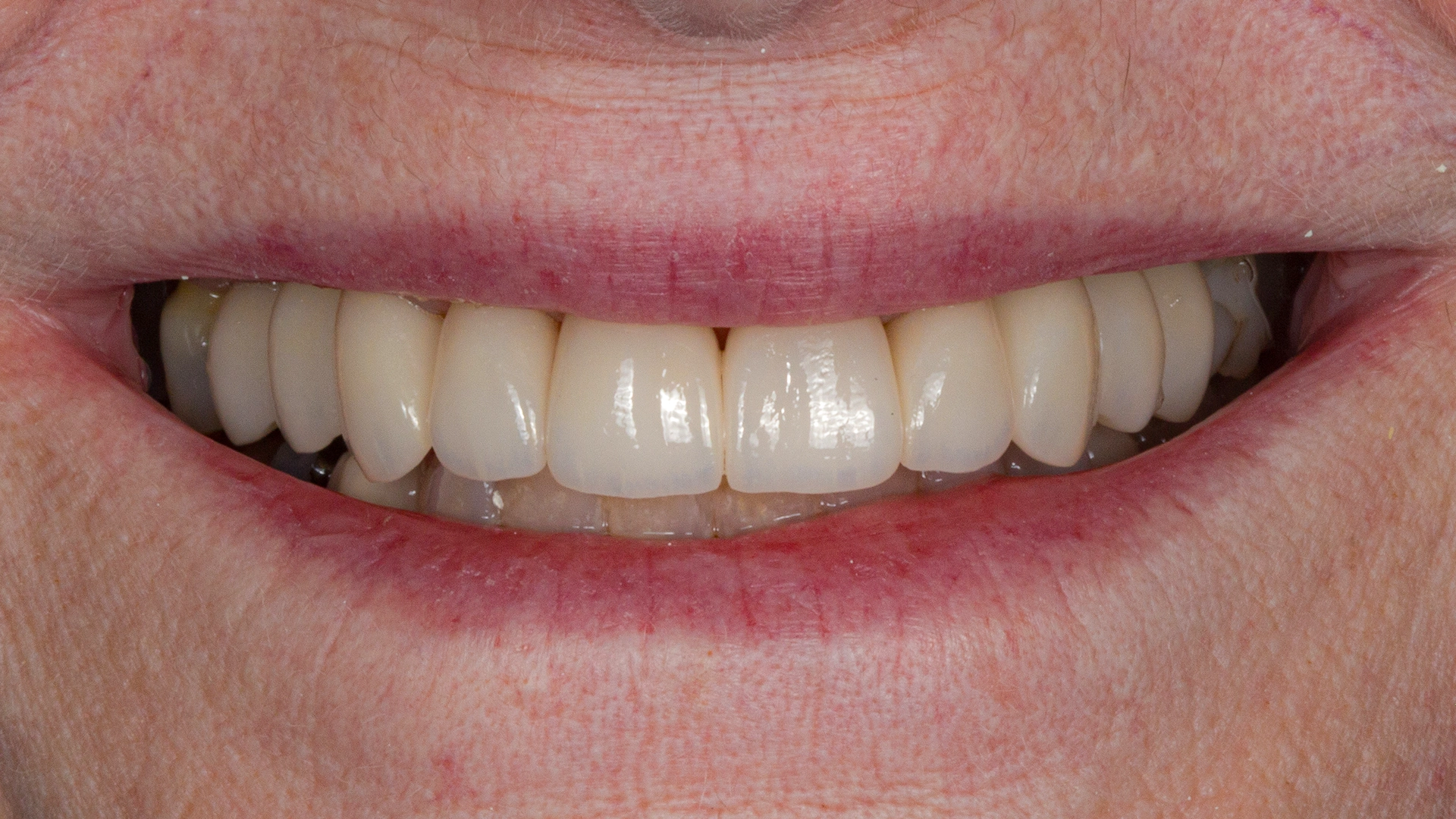
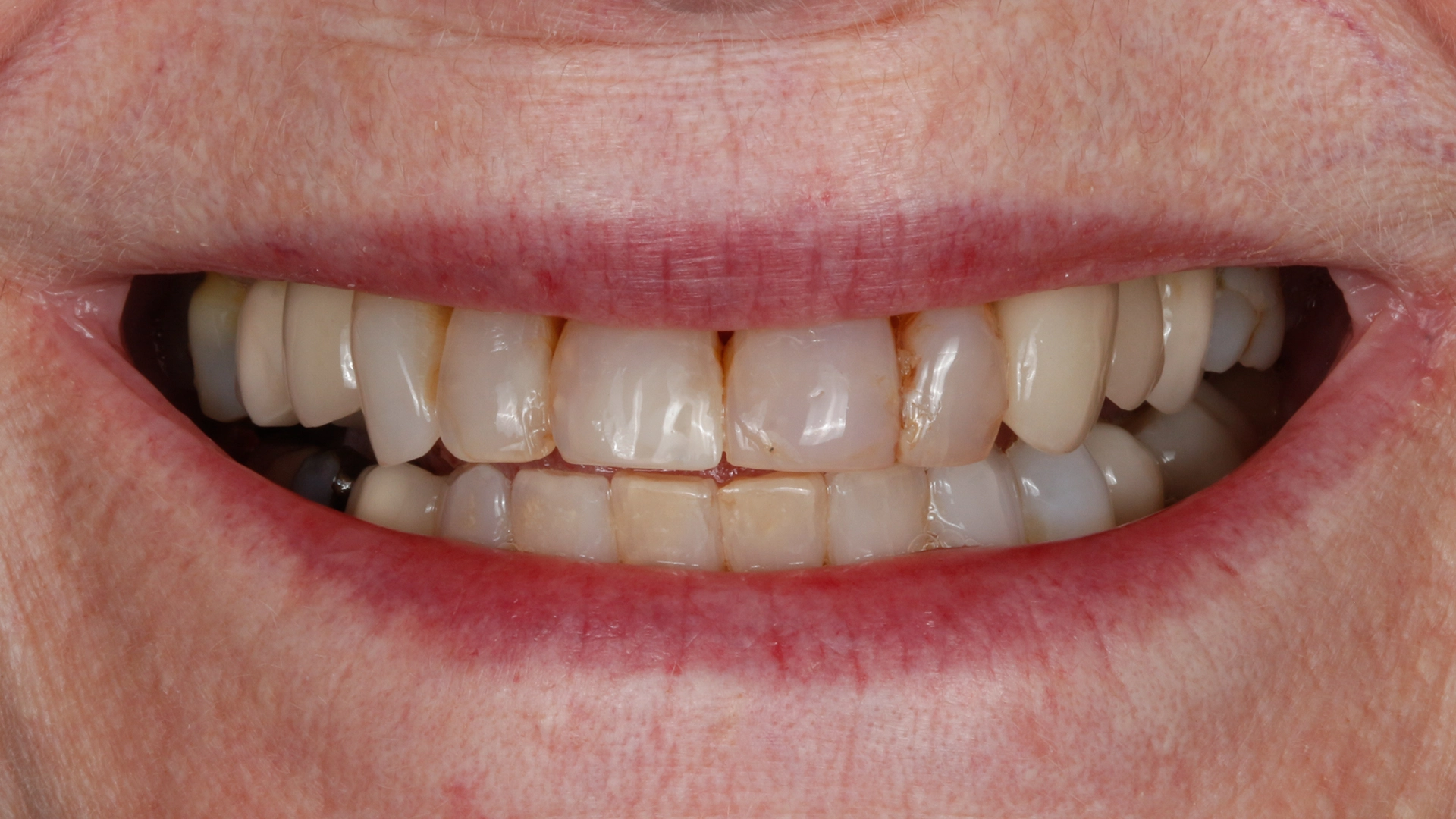
What Happens If a Veneer Is Removed Later?
Patients sometimes ask:
“If I remove veneers, will my teeth be ruined?”
The Truth
Because a small amount of enamel is removed during preparation, the tooth will usually need another veneer or a similar restoration.
But that does not mean the tooth is damaged.
It simply means the tooth has been permanently reshaped for cosmetic restoration.
Veneer Lifespan
High-quality porcelain veneers typically last:
10–20 years or longer
With proper care:
- excellent hygiene
- regular dental checkups
- bite protection if grinding
many last even longer.
Replacement Is Usually Simple
When veneers need replacement, the process is usually straightforward:
- Remove the old veneer
- Clean the tooth surface
- Bond a new one
The natural tooth remains intact underneath.
But another concern often follows.
Does the Tooth Under a Veneer Become Weaker?
Many people believe veneers act like a cover that makes the tooth underneath fragile.
The Biological Reality
The tooth remains fully alive and functional.
In fact, porcelain veneers often protect the tooth surface from:
- wear
- staining
- minor fractures
Porcelain is extremely strong.
Modern lithium-disilicate ceramics are comparable in strength to natural enamel.
Bite Protection
If a patient grinds their teeth (bruxism), dentists may recommend:
- night guards
- bite adjustments
This protects both veneers and natural teeth.
The veneer itself is not the weakness.
Unmanaged bite forces are.
Which leads to the next common fear.
Can Veneers Cause Decay or Sensitivity?
The Truth
Decay can only occur where plaque accumulates.
A properly bonded veneer seals the tooth surface tightly.
The only area that needs normal brushing and flossing is the margin where veneer meets tooth.
Sensitivity
Mild sensitivity may occur briefly after preparation, but it usually resolves quickly.
Persistent sensitivity is rare and typically related to:
- excessive tooth reduction
- bonding problems
- untreated bite stress
When veneers are carefully planned, sensitivity is uncommon.
Oral Hygiene Still Matters
Veneers do not decay.
But the natural tooth around them still can.
Daily care remains simple:
- brushing twice daily
- flossing
- professional cleaning
Finally, an important question.
Who Should NOT Get Veneers at All?
Great dentistry is not about selling treatment.
It’s about choosing the right treatment.
Some people are better candidates for other options.
Veneers may not be ideal for:
- severe teeth grinding without protection
- untreated gum disease
- very weak or heavily decayed teeth
- extremely crowded teeth needing orthodontics first
In these cases, dentists may recommend:
- orthodontics
- crowns
- composite bonding
- gum treatment
Ethical Dentistry Means Saying “Not Yet”
The safest cosmetic dentistry begins with diagnosis, not veneers.
A proper consultation evaluates:
- bite dynamics
- enamel thickness
- gum health
- facial symmetry
- smile design
This is how predictable results are created.
And this leads to the most reassuring truth of all.
The Truth Most Dental Websites Never Explain
Veneers themselves are not the risk.
The real variable is planning quality.
Cosmetic dentistry today uses tools that didn’t exist years ago:
- digital smile design
- facial analysis
- mock-up simulations
- ultra-conservative preparation
- advanced ceramic materials
This allows dentists to design veneers that are:
- biologically respectful
- structurally strong
- visually natural
The goal is simple:
improve the smile while protecting the tooth for decades.
Your Next Step — The Smile Clarity Consultation
Most people don’t need more information.
They need certainty.
The safest way to know if veneers are right for you is a diagnostic smile consultation.
During this visit you can:
- see your potential smile design
- understand exactly how much enamel (if any) would be adjusted
- explore alternatives
- ask every question openly
Just clarity.
Because confidence in your smile should start before treatment even begins.
I like it, the place is clean, you can make yourself a coffee to wait, my boyfriend got an implant and the professionalism was excellent, I have no complaints about it, the doctor’s work was impeccable and we were given a term to pay $ 5000

Dr. D’Amico always makes sure his patients are happy prior leaving the office. I had an implant done, and Dr. D’Amico made sure it has a perfect cut and shade before cementing it permanently. He has high quality equipment, materials, and professional staff that make the office an excellent practice. I highly recommend it to anyone who is looking for a great dentist, friendly staff and top-quality equipment that makes the appointment goes way less painful, much faster, and very precise.
I heard about D’Amico Dental Care on 98.5 The Sports Hub and decided to give them a try! They are located right on Main Street in Watertown, with a huge building and plenty of parking. The office is very impressive, filled with the latest technology and friendly staff. My first appointment with Dr. D’Amico was a comprehensive evaluation, and I could immediately appreciate his expertise, honesty, and recommendations. From there, I setup a cleaning a few days later, and it was one of the most thorough cleanings I’ve ever had. I highly recommend if you are looking for a new dentist, have new or different insurance, or need a crown/implant. You can tell Dr. D’Amico has put a lot of time and effort into making his practice stand out in every aspect of patient experience, so go check it out – you’ll be very impressed!
BEST dental office I’ve ever visited, and that’s from someone that works in a hospital, but was terrified of dentist visits all my life.. 🙂 I have many complex issues (most stemming from the Eastern European dentistry of limited resources in my youth, and some from me just not seeing dentists regularly later on….). When I moved in the area I looked for an experienced dentist, preferably with academic connections. Dr D’Amico is faculty at Tufts Dental School. He competently took care of all my problems, explained me the options for each issue, and helped me chose the best solution. He also has an in-office machine can make these great looking ceramic crowns in few hours, and a computerized local anesthesia machine that makes all procedures practically pain free. So far, I had a small bone graft in the lower jaw followed by an implant, some fillings, a ceramic crown – and results are just amazing. I had regular hygienist visits every 3 months with Dawn, she is excellent ! I was referred for other procedures to an excellent oral surgeon in the area. Dr D’Amico’s office staff – special mention to Anna and Eva – is very competent, friendly and warm. Most of all, I can’t believe I am not stressed out when I go to my dental visits… Very highly recommended for anyone that can identify with my story !
First time patient at Dr D’Amico Dental Care in Watertown. Very pleased with the service from the Technicians & the front desk employee! Found Dr Daniel very pleasant to talk too & explained everything thoroughly. Very happy with results!
The first time I went to D’Amico was to get acquainted, get current with xrays and tell my woeful story of letting go of my dental care for years. I was met with compassion, concern and reassurance. I was smitten by the staff, Dr. Chris, and very taken by the immaculate, modern facility. Many clinicians across different fields hesitate to invest in equipment that both improves their performance and the patient’s experience. I worked in the medical field in communications, and I’ve seen lots of variations on both poor and quality care. This place is topnotch. Period. Today, they literally brought me to tears. My first cleaning in years. Angela was thorough, kind, super aware, and truly the best dental hygienist I’ve ever seen. She is a perfect match for this practice that is friendly to the fearful and truly on top of dental practice advances. It has been years and I will return. This gifted group is poised to help me turn my dental health around. I am grateful.
Ready for Complete Clarity About Veneers and Your Teeth?
Book your diagnostic smile consultation at D’Amico Dental Care today.
📍 359 Main St, Watertown, MA 02472 | 📍 241 Boston Post Rd, Wayland, MA 01778
📞 Call D’Amico Dental Care — +1-617-926-1801✉️ [email protected]
Frequently Asked Questions
1. Do dental veneers ruin your natural teeth?
No, dental veneers do not ruin healthy teeth when performed correctly.
A veneer is a thin layer of porcelain or ceramic bonded to the front surface of the tooth. In most cases, only a very small amount of enamel (about 0.3–0.7 mm) is removed to create space for the veneer.
The tooth underneath remains:
- alive
- structurally intact
- fully functional
Problems usually occur only when veneers are placed without proper diagnosis, planning, or bonding technique.
2. Are teeth shaved down a lot for veneers?
This is one of the biggest myths about veneers.
Modern cosmetic dentistry focuses on minimal-prep veneers, which preserve most of the natural enamel.
Typical preparation removes less than the thickness of a fingernail and only from the front surface of the tooth.
Older techniques sometimes required aggressive reduction, but today dentists aim to protect enamel because bonding to enamel is extremely strong and predictable.
3. Are veneers permanent?
Yes, veneers are considered a long-term cosmetic dental treatment.
Because a small amount of enamel is usually removed, the tooth will typically always need some type of restoration in the future, such as:
- a replacement veneer
- a dental crown
- cosmetic bonding
However, this does not mean the tooth becomes unhealthy or damaged. It simply means the tooth has been permanently reshaped for cosmetic improvement.
Most porcelain veneers last 10 to 20 years or longer with proper care.
4. Do veneers make your teeth weaker?
No. In many cases, veneers actually protect the tooth surface.
Porcelain materials such as lithium disilicate ceramic are extremely durable and can reinforce the front surface of the tooth.
Once bonded to enamel using dental adhesive systems, veneers become part of a strong bonded structure that distributes biting forces across the tooth.
However, patients who grind their teeth (bruxism) may need a custom night guard to protect both veneers and natural teeth.
5. Can you get cavities under veneers?
Cavities cannot form under a properly sealed veneer, but they can occur at the edges where the veneer meets the natural tooth if oral hygiene is poor.
Just like natural teeth, veneer patients must maintain:
- daily brushing
- flossing
- regular dental checkups
When these habits are maintained, the risk of decay around veneers is very low.
6. Do veneers cause tooth sensitivity?
Some patients experience temporary sensitivity after veneer preparation.
This usually happens because a thin layer of enamel has been adjusted and the tooth needs time to adapt.
In most cases the sensitivity:
- is mild
- lasts a few days to weeks
- disappears after the veneer is permanently bonded
Persistent sensitivity is uncommon and usually related to bite imbalance or improper preparation depth.
7. What happens if a veneer falls off or breaks?
If a veneer becomes loose or damaged, the tooth is usually still intact underneath.
The dentist can typically:
- re-bond the veneer if it is undamaged
- repair minor chips
- fabricate a new veneer if necessary
Because veneers are bonded restorations, replacement procedures are typically straightforward and minimally invasive.
8. Who is NOT a good candidate for veneers?
Not every patient is an ideal candidate for veneers.
Dentists may recommend alternative treatments if a patient has:
- severe teeth grinding (bruxism) without protection
- untreated gum disease
- extensive tooth decay
- extremely crowded teeth requiring orthodontics first
- very thin enamel
In these cases, options such as orthodontic treatment, dental crowns, or composite bonding may provide safer long-term results.
9. Are no-prep veneers safer than traditional veneers?
No-prep veneers can be a good option in specific cases, but they are not automatically safer.
They work best for patients with:
- small teeth
- worn teeth
- gaps between teeth
- slightly recessed teeth
If teeth are already prominent or crowded, no-prep veneers may make the smile look bulky. In those cases, minimal preparation veneers create a more natural result while still preserving most enamel.
10. How do I know if veneers will damage my teeth?
The most reliable way to determine this is through a comprehensive cosmetic dental evaluation.
During this consultation, the dentist evaluates:
- enamel thickness
- bite forces
- gum health
- tooth alignment
- facial aesthetics
Advanced clinics may also use Digital Smile Design and mock-ups so you can preview your future smile before any enamel is adjusted.
This planning phase is what ensures veneers remain safe, conservative, and long-lasting.