TL;DR: The “Executive Summary” for Your Smile
- Lifespan: With elite clinical standards, dental implants are designed to last 25 years to a lifetime.
- Success Rate: Modern biological protocols yield a 98% success rate.
- The “Secret” Variable: Longevity isn’t just about the implant; it’s about the bone health and precision of the bite.
- The D’Amico Dental Care Difference: We use 3D digital twinning to eliminate “surgical guesswork,” protecting your investment for the long haul.
Wondering how long a dental implant will last in your specific case?
Schedule your personal implant longevity evaluation at D’Amico Dental Care — no commitment, just clarity.
How Long Do Dental Implants Really Last?
What is the average lifespan of a dental implant?
Technically, a dental implant is a titanium or ceramic “root.” In a healthy environment, this root should last 25 years or more. While the crown on top may face wear and tear (just like natural teeth), the foundation is built for extreme durability.
Can a dental implant last 20, 30, or even 40 years?
Yes. Clinical history shows patients who received implants in the 1980s are still using them today. The key is osseointegration—the process where your living bone fuses with the implant. Once this bond is locked, it becomes part of your biological blueprint.
Are dental implants truly permanent?
In the world of medicine, “permanent” is a bold word. However, dental implants are the closest the dental industry has ever come to a permanent solution. Unlike a hip replacement that may wear out due to friction, an implant sits statically in the jaw, making it incredibly resilient to the passage of time.
What do long-term clinical studies say about implant survival rates?
Meta-analyses of decade-long studies consistently show survival rates between 95% and 98%. This makes dental implants the most successful prosthetic transplant in human history.
Do implants last longer than crowns, bridges, or dentures?
Absolutely. A traditional bridge lasts 7–10 years because it stresses the “anchor” teeth. Dentures lose their fit as the jawbone shrinks. Implants are the only option that actually preserves the bone, stopping the aging process of your face in its tracks.
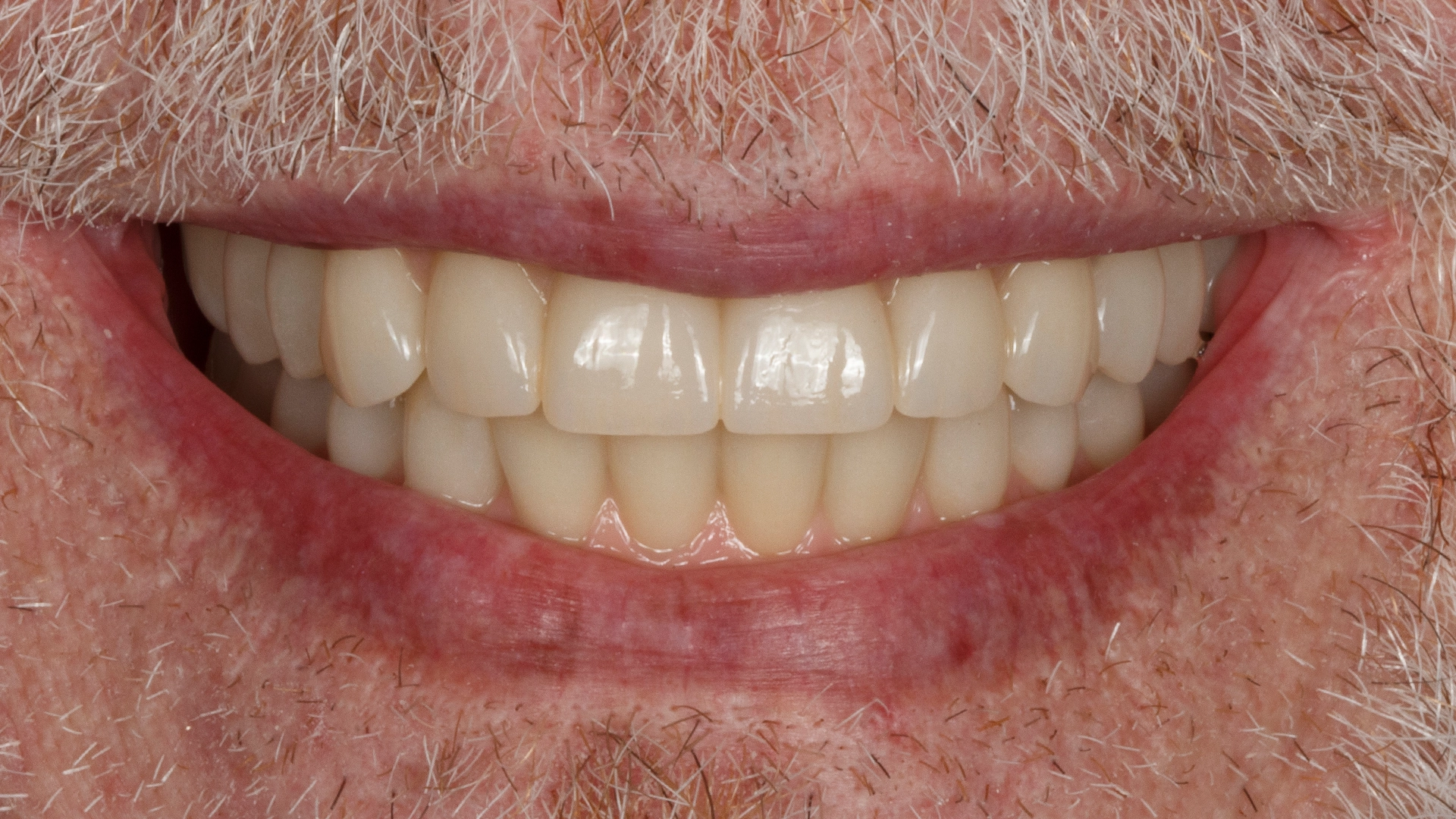
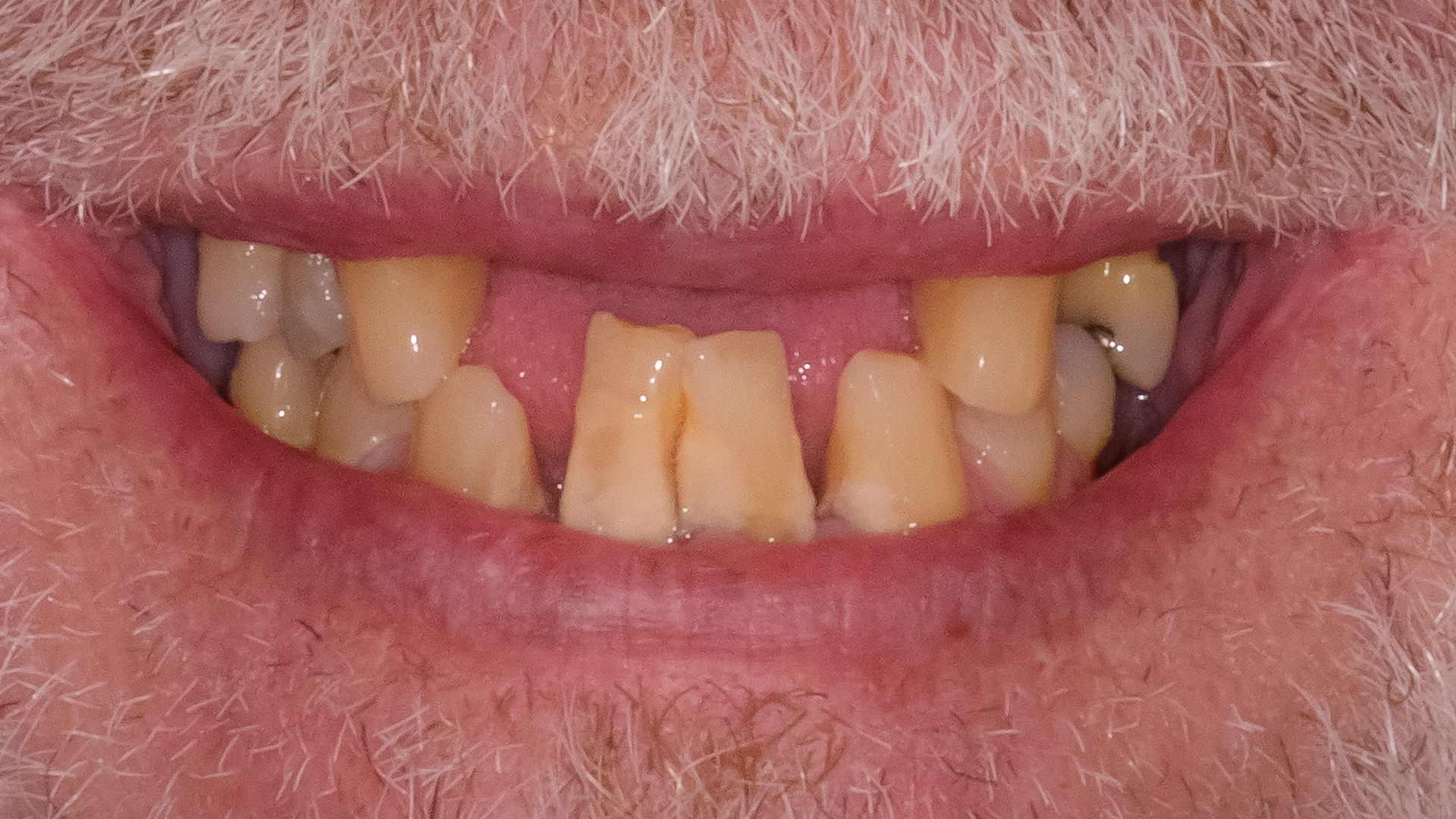
after 5 years follow up
What Determines How Long a Dental Implant Will Last?
Bone quality and jawbone density
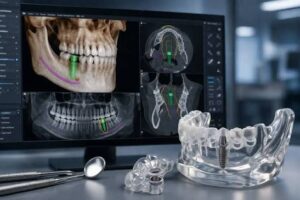
Think of an implant like a high-end architectural pillar. If the soil (your bone) is soft or thin, the pillar won’t hold. We use CBCT 3D imaging to measure your bone density to the millimeter before we even begin.
The surgical technique used during implant placement
The brain values precision. If an implant is placed even 1mm off-center, the “bite force” will be uneven, leading to eventual failure. This is why “blind” surgery is a risk of the past; we use fully guided navigation.
Implant material and manufacturer quality
Not all titanium is equal. We use Grade 5 Medical Titanium and premium systems that have 30+ years of research behind them. Avoiding “generic” implants is the first step in loss aversion.
The experience of the implant dentist
Precision is a skill honed over thousands of cases. An expert understands the “biology of healing,” not just the mechanics of a drill.
Bite force and chewing habits
If you grind your teeth (bruxism), you are putting 250 pounds of pressure on your implants. We analyze your occlusion (how teeth meet) to ensure the implant isn’t “overloaded.”
Oral hygiene and daily maintenance
The implant cannot get a cavity, but the gums around it can get infected. Daily flossing is the “insurance policy” for your $3,000 investment.
Smoking and lifestyle factors
Smoking reduces blood flow to the bone. It doesn’t mean you can’t have an implant, but it does mean we need a specialized healing protocol to ensure the bone “takes.”
General health conditions (diabetes, immune disorders)
Systemic health matters. We coordinate with your GP if you have conditions like diabetes to ensure your body has the “regenerative capital” to heal.
What Causes Dental Implants to Fail?
Early implant failure (first months)
This usually happens because the bone didn’t fuse (failure to integrate). It is often caused by micro-motions or pre-existing infections that weren’t cleared.
Late implant failure (years later)
This is almost always due to mechanical overload (poor bite) or biological infection (bacteria).
Peri-implantitis: the most common long-term risk
This is the “silent killer” of implants. It’s an inflammatory disease that eats away the bone. The danger? It doesn’t hurt until it’s almost too late. This is why our Maintenance Program is non-negotiable.
Bone loss around dental implants
If the body senses the implant is a “foreign object” due to poor quality materials or bad positioning, it will pull the bone away. We use biocompatible surfaces to prevent this “rejection” response.
Bite overload and mechanical complications
If the crown is too high, every time you chew, you are “hammering” the implant into the bone. This micro-trauma leads to failure.
Poor implant positioning
An implant placed too close to a nerve or another tooth will never be stable. Digital planning eliminates this human error.
Do Dental Implants Last Longer Than Other Tooth Replacement Options?
Implant vs. dental bridge lifespan
A bridge requires grinding down two healthy teeth. You are sacrificing two teeth to save one. Statistically, bridges fail when the anchor teeth get cavities. Implants protect your surrounding teeth.
Implant vs. dentures lifespan
Dentures need to be relined or replaced every 3–5 years as your jawbone “melts” away. Over 20 years, you will spend more on denture maintenance and adhesives than a single implant.
Long-term cost comparison over 20 years
| Option | Initial Cost | 20-Year Maintenance | Total “Cost of Ownership” |
|---|---|---|---|
| Dental Implant | Higher | Low (Cleanings) | Lowest |
| Bridge | Medium | Replacement (2x) | High |
| Dentures | Lower | Relines & Replacements | High + Bone Loss |
How to Make a Dental Implant Last 20+ Years
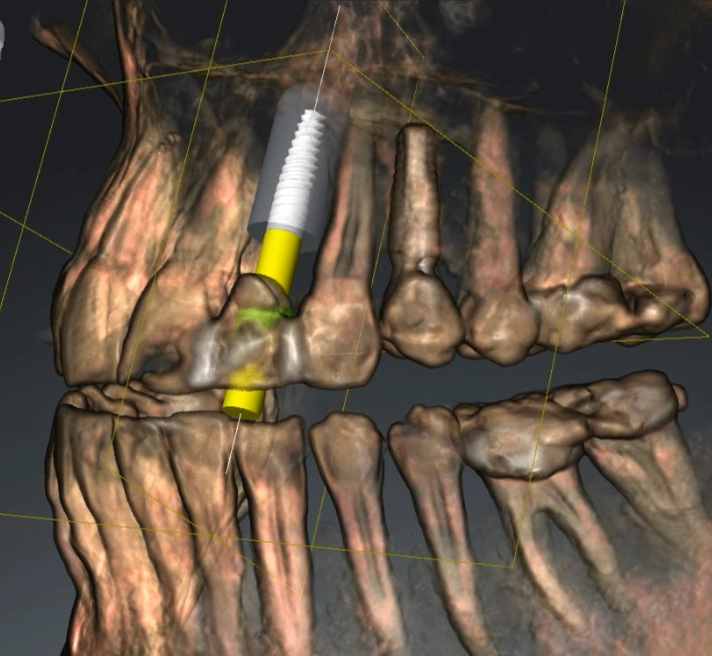
Professional implant planning with 3D imaging
We “perform” your surgery on a computer before we ever touch your mouth. This predictability is what the brain craves.
Choosing high-quality implant systems
We only use brands that have a “Global Warranty.” If you are in New York or Tokyo and need a part, it will be available.
Regular implant check-ups and professional cleaning
We use specialized ultrasonic scales that clean the implant without scratching the titanium. Regular hygiene is the difference between a 5-year and a 50-year lifespan.
Protecting implants from grinding with night guards
If you are a “high-stress” achiever, a custom night guard is the “helmet” for your smile.
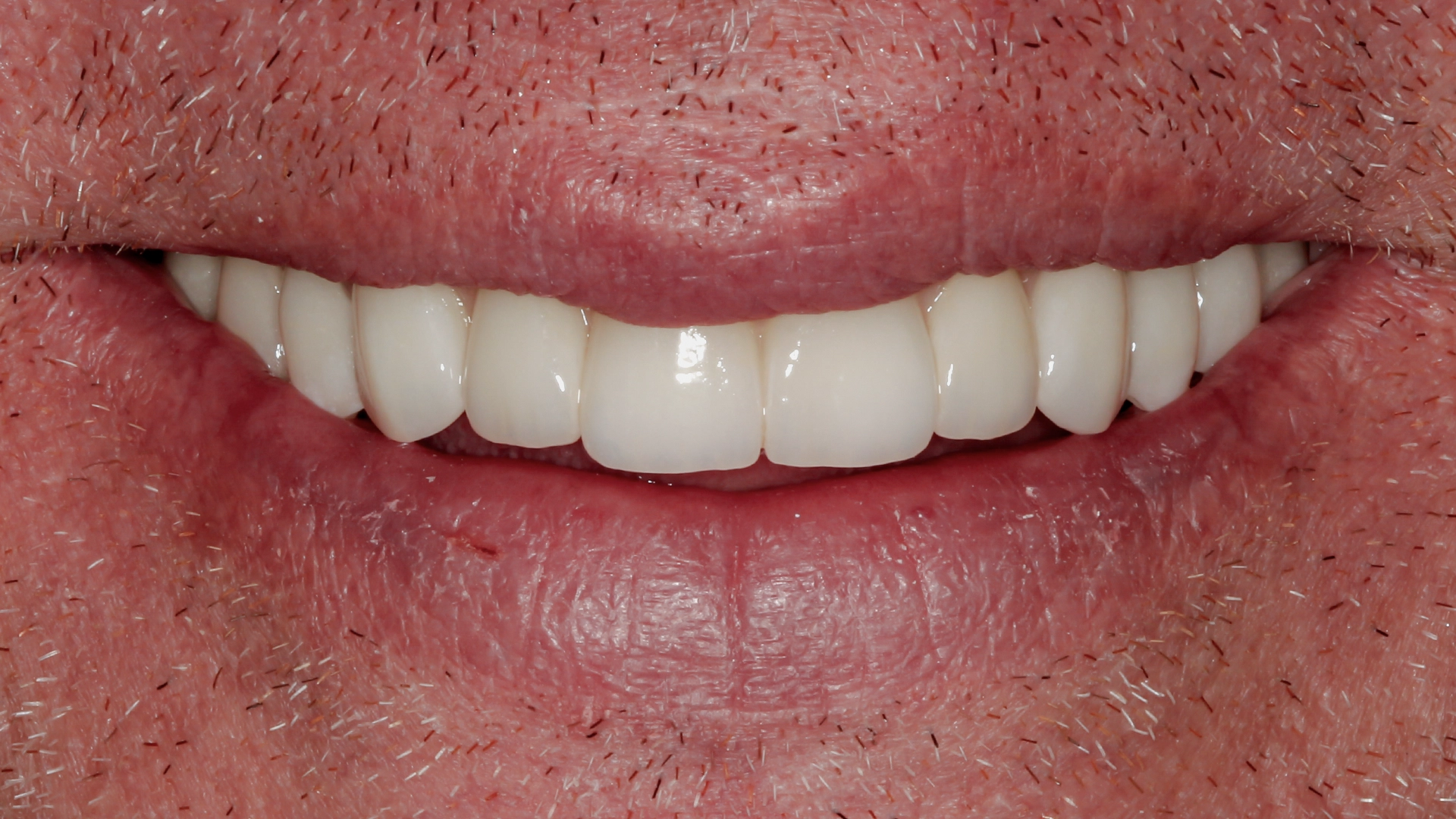
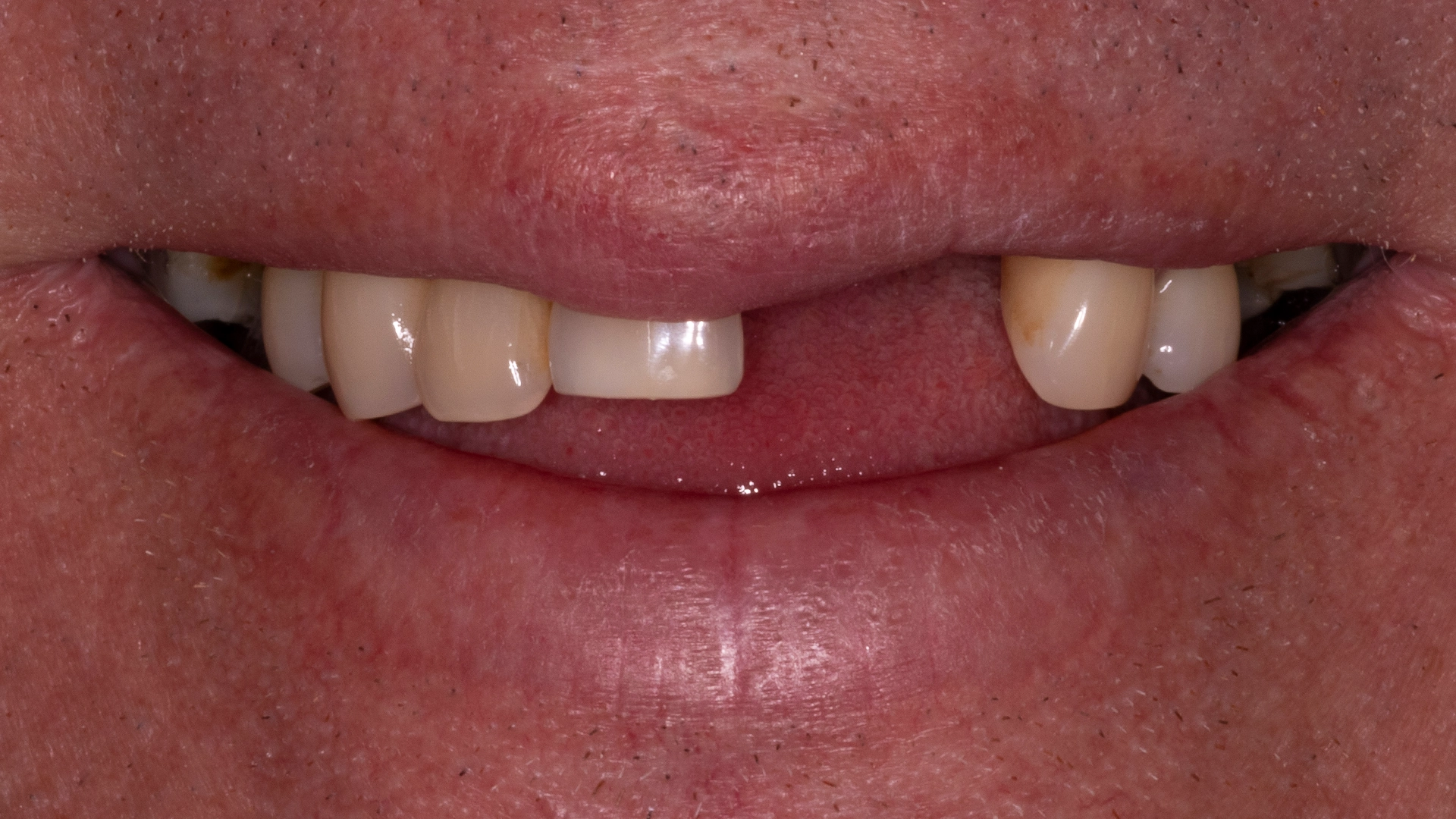
after 5 years follow up
Why Patients in Wayland & Watertown MA Choose D’Amico Dental Care for Long-Lasting, Predictable Dental Implants
At D’Amico Dental Care, we have eliminated the “fear of the unknown.” We don’t just “do” implants; we engineer long-term biological success.
- Advanced 3D Diagnostics: We see what others miss. Your nerves, sinuses, and bone density are mapped in high definition.
- Premium Only: We refuse to use “discount” components. We prioritize your biology over our profit margins.
- The D’Amico Dental Care Shield Program: A specific maintenance protocol designed to catch peri-implantitis before it starts.
- A Clinical Philosophy of Precision: We believe that “good enough” is the enemy of “long-term.”
Take the First Step Toward a Lifetime of Confidence
Ready to Engineer Your Long-Term Smile?
Book your personalised implant longevity evaluation at D’Amico Dental Care today — precise diagnostics, transparent planning, zero pressure.
I like it, the place is clean, you can make yourself a coffee to wait, my boyfriend got an implant and the professionalism was excellent, I have no complaints about it, the doctor’s work was impeccable and we were given a term to pay $ 5000

Dr. D’Amico always makes sure his patients are happy prior leaving the office. I had an implant done, and Dr. D’Amico made sure it has a perfect cut and shade before cementing it permanently. He has high quality equipment, materials, and professional staff that make the office an excellent practice. I highly recommend it to anyone who is looking for a great dentist, friendly staff and top-quality equipment that makes the appointment goes way less painful, much faster, and very precise.
I heard about D’Amico Dental Care on 98.5 The Sports Hub and decided to give them a try! They are located right on Main Street in Watertown, with a huge building and plenty of parking. The office is very impressive, filled with the latest technology and friendly staff. My first appointment with Dr. D’Amico was a comprehensive evaluation, and I could immediately appreciate his expertise, honesty, and recommendations. From there, I setup a cleaning a few days later, and it was one of the most thorough cleanings I’ve ever had. I highly recommend if you are looking for a new dentist, have new or different insurance, or need a crown/implant. You can tell Dr. D’Amico has put a lot of time and effort into making his practice stand out in every aspect of patient experience, so go check it out – you’ll be very impressed!
BEST dental office I’ve ever visited, and that’s from someone that works in a hospital, but was terrified of dentist visits all my life.. 🙂 I have many complex issues (most stemming from the Eastern European dentistry of limited resources in my youth, and some from me just not seeing dentists regularly later on….). When I moved in the area I looked for an experienced dentist, preferably with academic connections. Dr D’Amico is faculty at Tufts Dental School. He competently took care of all my problems, explained me the options for each issue, and helped me chose the best solution. He also has an in-office machine can make these great looking ceramic crowns in few hours, and a computerized local anesthesia machine that makes all procedures practically pain free. So far, I had a small bone graft in the lower jaw followed by an implant, some fillings, a ceramic crown – and results are just amazing. I had regular hygienist visits every 3 months with Dawn, she is excellent ! I was referred for other procedures to an excellent oral surgeon in the area. Dr D’Amico’s office staff – special mention to Anna and Eva – is very competent, friendly and warm. Most of all, I can’t believe I am not stressed out when I go to my dental visits… Very highly recommended for anyone that can identify with my story !
First time patient at Dr D’Amico Dental Care in Watertown. Very pleased with the service from the Technicians & the front desk employee! Found Dr Daniel very pleasant to talk too & explained everything thoroughly. Very happy with results!
The first time I went to D’Amico was to get acquainted, get current with xrays and tell my woeful story of letting go of my dental care for years. I was met with compassion, concern and reassurance. I was smitten by the staff, Dr. Chris, and very taken by the immaculate, modern facility. Many clinicians across different fields hesitate to invest in equipment that both improves their performance and the patient’s experience. I worked in the medical field in communications, and I’ve seen lots of variations on both poor and quality care. This place is topnotch. Period. Today, they literally brought me to tears. My first cleaning in years. Angela was thorough, kind, super aware, and truly the best dental hygienist I’ve ever seen. She is a perfect match for this practice that is friendly to the fearful and truly on top of dental practice advances. It has been years and I will return. This gifted group is poised to help me turn my dental health around. I am grateful.
Frequently Asked Questions About Dental Implant Longevity
How long do dental implants actually last?
Dental implants are designed to be a long-term tooth replacement solution. Clinical studies show that modern implants have a success rate of around 95–98% after 10 years.
The titanium implant itself can often last 20–30 years or even a lifetime when the surrounding bone remains healthy and oral hygiene is maintained.
The crown attached to the implant may need replacement after 10–15 years, just like a crown on a natural tooth.
With proper planning, healthy bone, and regular dental check-ups, many patients keep the same implant for decades.
Can a dental implant last a lifetime?
Yes, in many cases it can. The implant is made from biocompatible titanium, which integrates with the jawbone through a process called osseointegration.
Once this bond forms, the implant becomes extremely stable.
However, long-term success depends on factors such as:
- gum health
- bone stability
- bite forces
- daily oral hygiene
When these conditions are well controlled, implants can remain functional for the rest of a patient’s life.
What is the main reason dental implants fail?
The most common cause of long-term implant failure is peri-implantitis.
Peri-implantitis is an inflammatory infection around the implant that causes progressive bone loss. It is similar to gum disease around natural teeth.
If untreated, the supporting bone slowly disappears and the implant can become loose.
Risk factors include:
- poor oral hygiene
- smoking
- uncontrolled diabetes
- irregular dental checkups
Early detection through professional maintenance visits can usually prevent this problem.
Do dental implants require special cleaning?
Dental implants do not get cavities, but the gums and bone around them must remain healthy.
Daily care should include:
- brushing twice a day
- flossing or using interdental brushes
- antibacterial mouth rinse if recommended
Professional cleanings are also essential because dentists use implant-safe instruments that remove plaque without damaging the titanium surface.
Consistent oral hygiene is one of the strongest predictors of long-term implant survival.
Are dental implants stronger than natural teeth?
Dental implants are extremely strong, but they function differently from natural teeth.
Natural teeth are connected to bone by the periodontal ligament, which acts as a shock absorber. Implants are directly fused to bone.
This means implants can tolerate strong chewing forces, but they must be carefully positioned and balanced with the bite.
When properly designed, implants allow patients to eat normally—including foods like apples, steak, and nuts.
How often should dental implants be checked by a dentist?
Most implant specialists recommend a professional check-up every 6 months.
During these visits, the dentist evaluates:
- gum health around the implant
- bone stability on X-rays
- bite pressure distribution
- crown condition
These examinations allow clinicians to detect early signs of peri-implantitis or mechanical wear before they become serious.
Preventive monitoring dramatically increases the chance that the implant will last 20 years or longer.
Do smokers have a higher risk of implant failure?
Yes. Smoking reduces blood circulation to the gums and bone, which slows healing and weakens the immune response.
Research shows that smokers may have a significantly higher risk of implant complications, particularly during the healing phase.
However, implants can still succeed in smokers when:
- the surgical protocol is adjusted
- oral hygiene is excellent
- smoking is reduced during healing
Many dentists recommend temporarily stopping smoking for at least two weeks before and after surgery.
Can dental implants fail years after they were placed?
Yes, although it is uncommon.
Late implant failure can occur years after successful integration due to:
- chronic gum infection (peri-implantitis)
- excessive bite forces
- mechanical wear of components
- bone loss over time
Regular dental monitoring helps detect these issues early.
With proper care and professional maintenance, most implants remain stable and functional for several decades.
Are dental implants a better long-term investment than bridges or dentures?
For many patients, yes.
Traditional dental bridges typically last 7–12 years, while removable dentures often require adjustments or replacement every 5–8 years due to bone shrinkage.
Dental implants help preserve jawbone density, which protects facial structure and oral health.
Although the initial cost may be higher, implants often provide the lowest long-term cost of ownership because they require fewer replacements over time.