Quick Summary
A missing tooth is not just a cosmetic issue. It triggers a chain reaction in your jawbone, bite, and facial structure.
- Bone loss can begin within 3 months.
- Teeth start shifting. Chewing weakens. Confidence drops.
- The longer you wait, the more complex (and costly) treatment may become.
- Modern solutions like dental implants, bridges and advanced 3D planning can restore health, comfort, and confidence — often more easily than patients expect.
- At D’Amico Dental Care in Wayland & Watertown MA, we focus on precision and comfort.
Keep reading. What most people don’t realize about missing teeth may surprise you.
What Happens If You Don’t Replace a Missing Tooth?
Losing a tooth feels like a single event.
Your body sees it as a structural failure.
Teeth are not isolated units. They are part of a biological engineering system — bone, ligaments, muscles, joints, and nerves working in harmony. When one piece disappears, the system compensates.
At first, it feels harmless.
Months later, the damage is visible.
In our experience treating hundreds of Wayland & Watertown MA patients, almost all say the same thing:
“I didn’t think one missing tooth could cause all this.”
Let’s look beneath the surface.
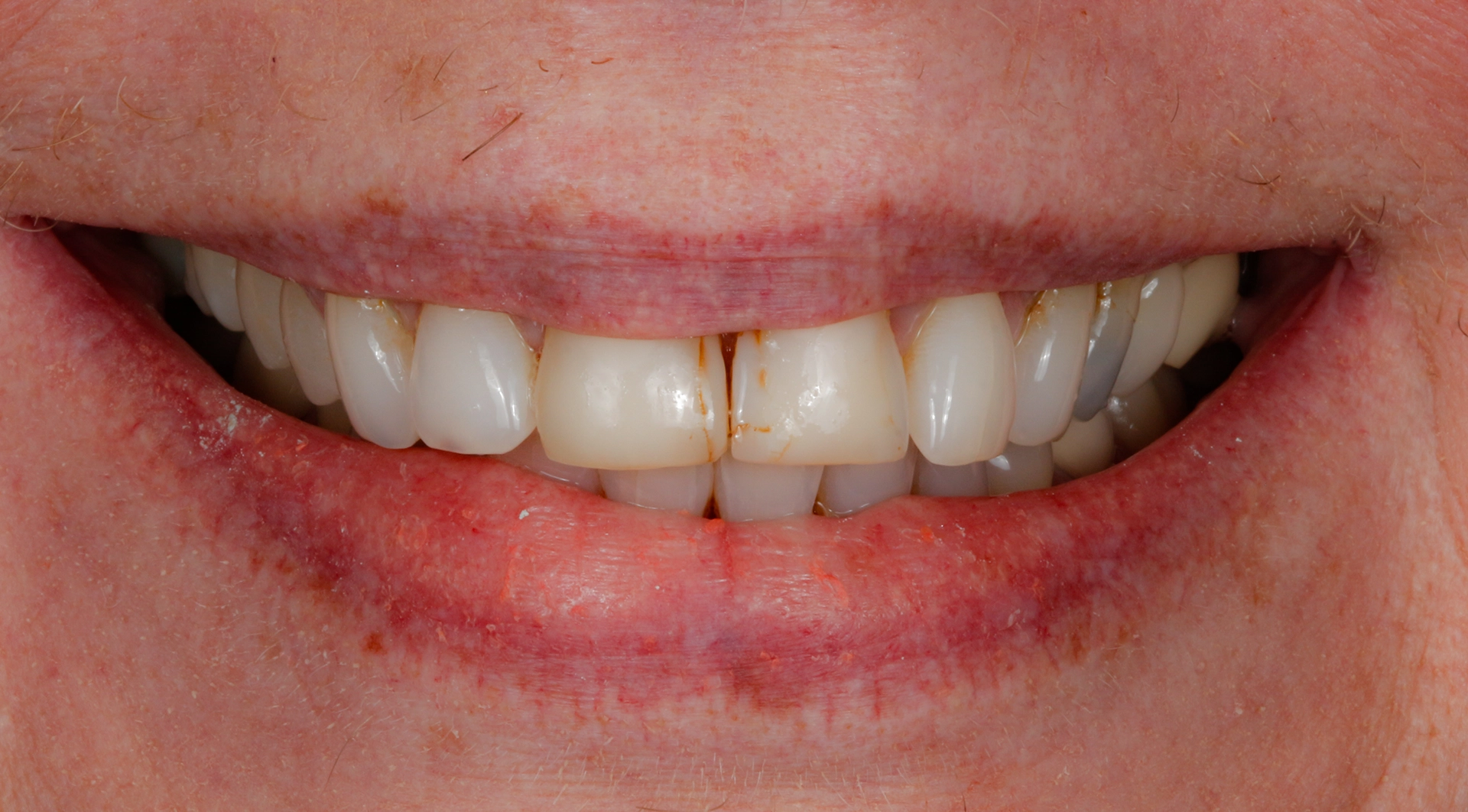
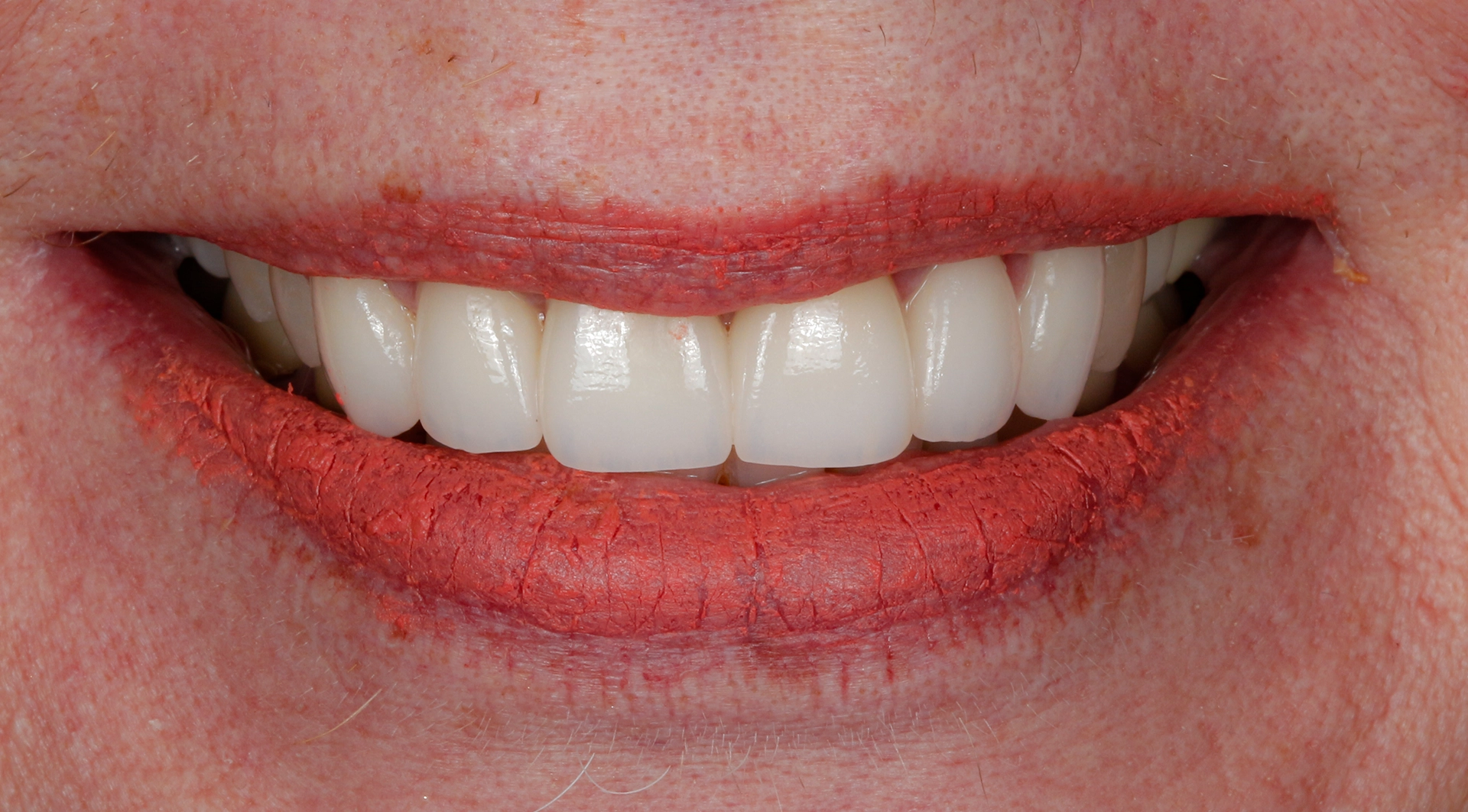
← Drag to compare Before & After
Don’t Wait Until the Damage Is Done
Book your consultation at D’Amico Dental Care today — and get a clear picture of your options.
📍 359 Main St, Watertown, MA 02472 | 📍 241 Boston Post Rd, Wayland, MA 01778
✉️ [email protected]Why Ignoring a Missing Tooth Is a Serious Mistake (The Domino Effect Explained)
Jawbone Loss (Bone Resorption) – The Silent Damage Beneath Your Gums
Pain you don’t feel is the most dangerous kind.
Your jawbone depends on chewing forces to stay strong. This stimulation travels from the tooth root into the bone. Remove the tooth — and the stimulation stops.
Without stimulation, the bone begins a process called bone resorption.
It literally shrinks.
- Up to 25% bone width can be lost in the first year
- The greatest loss happens in the first 3–6 months
This is why dental implants (titanium posts placed in the jawbone) are so powerful. They replace not just the visible crown, but the root — restoring stimulation.
Question patients ask:
“Can’t I just leave the gap if it doesn’t hurt?”
Yes, you can. But the bone will quietly disappear.
And bone lost today may require grafting tomorrow. That means more time, more cost, more complexity.
Now imagine preventing all of that with one well-planned intervention.
Teeth Shifting and Bite Misalignment – Why Your Smile Starts Changing
Teeth move. Always.
When there’s space, neighboring teeth drift into it. Opposing teeth over-erupt. The bite changes.
At first, it’s subtle.
Then your smile looks different in photos.
Then chewing feels “off.”
Orthodontic correction later can cost far more than replacing one tooth early.
This is the domino effect:
One gap → shifting → bite imbalance → wear → fractures.
Picture looking in the mirror a year from now and seeing alignment preserved instead of altered. Stability feels good. Your brain craves it.
Increased Risk of Gum Disease and Tooth Decay
Spaces trap food.
Food feeds bacteria.
Bacteria inflame gums.
A missing tooth creates irregular contours that are harder to clean. This increases risk for:
- Periodontal disease (gum infection)
- Cavities in adjacent teeth
- Chronic inflammation
And inflammation isn’t just local. Research links untreated gum disease to systemic health concerns.
Replacing a tooth is not cosmetic vanity.
It’s preventive medicine.
TMJ Disorders, Jaw Pain & Chronic Headaches
When your bite changes, your jaw joints — called the temporomandibular joints (TMJ) — compensate.
Over time, that imbalance can lead to:
- Jaw clicking
- Facial muscle tension
- Morning headaches
- Neck discomfort
Many patients treat symptoms for years without realizing the cause was a missing molar.
Fix the foundation. The symptoms often reduce.
But the most surprising consequence? It’s visible.
Facial Collapse and Premature Aging – How One Missing Tooth Changes Your Face
Your teeth support your facial structure.
Bone loss leads to:
- Sunken cheeks
- Deeper smile lines
- Thinner lips
People sometimes spend thousands on facial fillers without addressing the structural cause: missing teeth.
A dental implant restores internal support. It’s not just about teeth — it’s about preserving your face.
Imagine aging naturally, not prematurely.
That is a different kind of confidence.
Everyday Problems Caused by a Missing Tooth
1. Difficulty Chewing and Digestive Problems
When chewing becomes uneven, you avoid certain foods. Hard vegetables. Nuts. Steak.
You may not notice at first. But digestion begins in the mouth. Poor chewing stresses the digestive system.
Replacing the tooth restores full chewing efficiency — often up to 90–100% with implants.
Food should be enjoyed, not avoided.
2. Speech Changes and Pronunciation Issues
Front teeth play a critical role in forming sounds like “F,” “V,” and “S.”
Even slight gaps can create subtle speech changes.
You compensate. You adjust. You speak less confidently.
Now imagine speaking freely in meetings again.
3. Food Trapping and Bad Breath
Open spaces collect debris. Even with good hygiene, bacteria thrive in stagnation zones.
Persistent bad breath (halitosis) often has structural causes.
Close the space. Eliminate the trap. Restore freshness.
4. Loss of Confidence in Social and Professional Situations
This is the part few admit.
You smile less. You laugh carefully. You avoid certain angles in photos.
Imagine walking into a meeting in Wayland & Watertown MA, smiling without thinking twice.
Confidence is not vanity.
It is social freedom.
How Fast Do Problems Start After Losing a Tooth?
Patients often ask:
“How long can I safely wait?”
Let’s break it down.
What Happens in the First 3 Months?
- Blood clot forms
- Bone begins remodeling
- Rapid initial bone resorption starts
This is the golden window for simplest implant placement.
Act early → simpler procedure → lower cost → faster healing.
What Happens After 6–12 Months?
- Significant bone volume reduction
- Neighboring teeth shift
- Opposing tooth may over-erupt
Implant placement may now require bone grafting (adding bone material to rebuild lost structure).
Still possible. Just more involved.
What Happens After Several Years?
- Advanced bone loss
- Bite collapse patterns
- Increased restorative complexity
Treatment is still possible in most cases thanks to modern surgical techniques.
But complexity increases.
Is It Ever “Too Late” to Replace a Missing Tooth?
Rarely.
With modern techniques — guided implant surgery, bone grafting, sinus lifts — most patients are candidates.
The better question is:
How simple do you want the solution to be?
Earlier is easier.
But it is almost never hopeless.
If fear or cost stopped you before, you are not alone. Many of our patients waited years before finally taking action.
And almost all say: “I wish I had done this sooner.”
Why Do Patients in Wayland & Watertown MA Prefer D’Amico Dental Care?
Replacing a missing tooth is not just a procedure.
It is a decision about trust.
Here’s what makes our approach different.
Advanced 3D Digital Diagnostics for Precise Planning
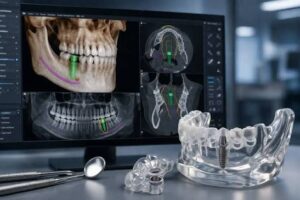
We use Cone Beam CT (CBCT) 3D imaging to evaluate bone volume, nerve position, and anatomical structures with millimeter precision.
This allows:
- Safer implant placement
- Predictable outcomes
- Minimal invasive surgery
Our clinicians follow international implantology guidelines and continuously train in advanced techniques.
Experience matters. Especially when millimeters matter.
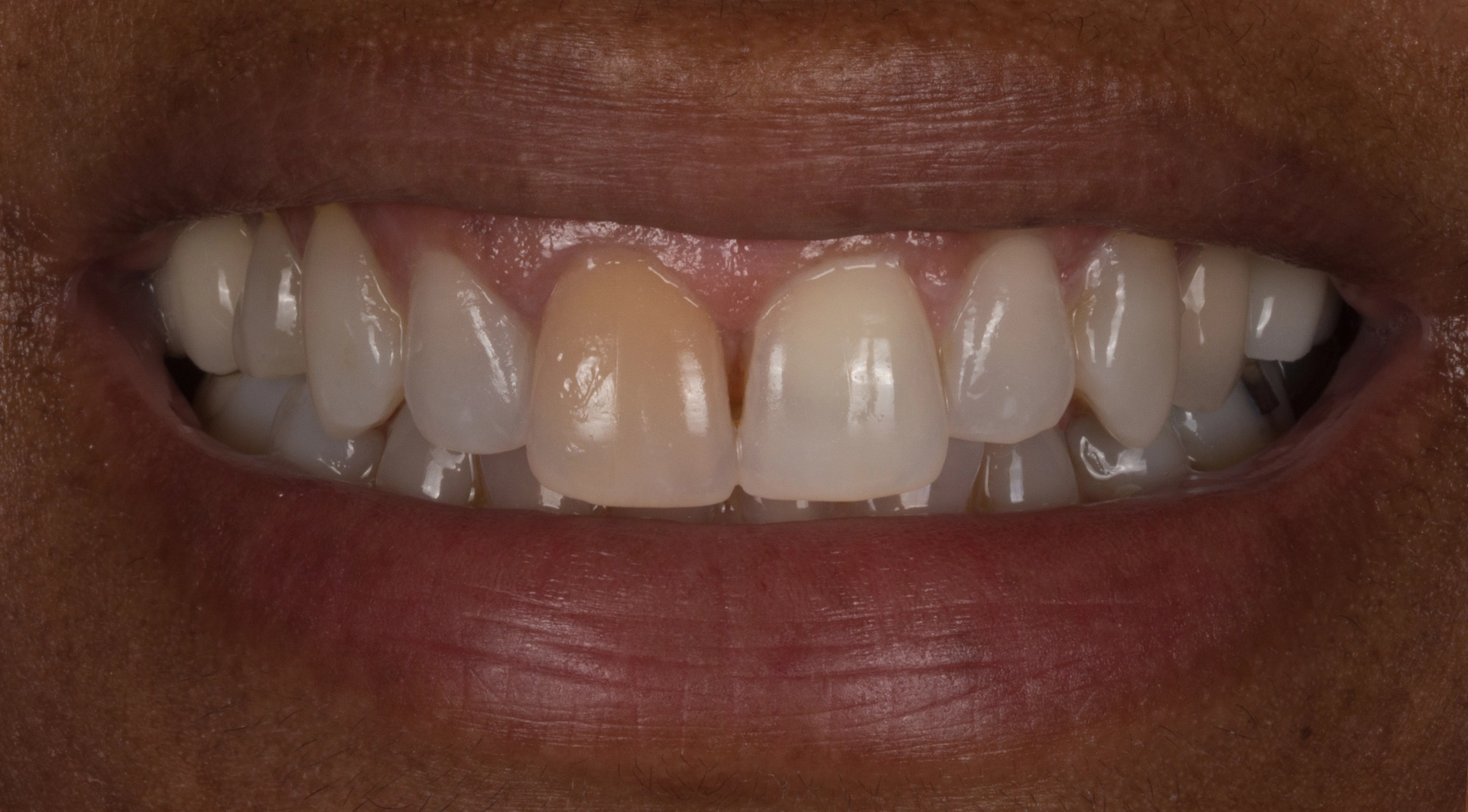
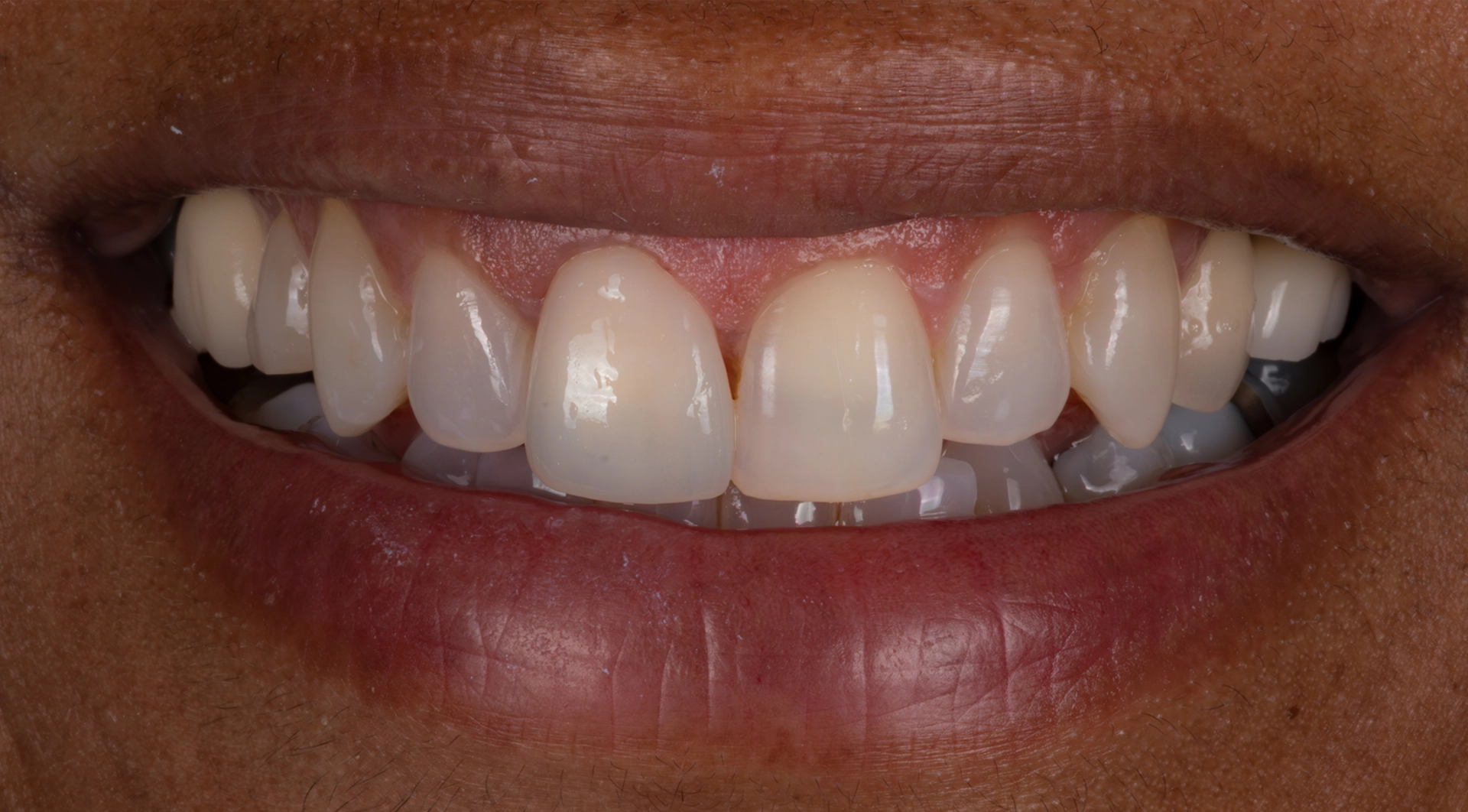
← Drag to compare Before & After
Pain-Free & Patient-Centered Approach
Fear keeps many people from replacing a tooth.
We offer:
- Local anesthesia with modern buffering systems
- Sedation options if needed
- Calm, step-by-step explanations
Most patients report less discomfort than a tooth extraction.
Your comfort is not an afterthought. It is built into the process.
Transparent Pricing & Personalized Consultations
Dental implants can range widely in cost depending on complexity.
Instead of vague estimates, we provide:
- Clear written treatment plans
- Explanation of alternatives (implant vs bridge vs partial denture)
- Long-term value comparison
When compared to the lifetime cost of repeated repairs, implants often become the most cost-effective solution.
Before any treatment begins, you will receive a complete and detailed overview of all costs during your consultation. Every component is explained clearly — surgical phase, implant components, restoration, and any additional procedures if required.
And your first consultation is about clarity.
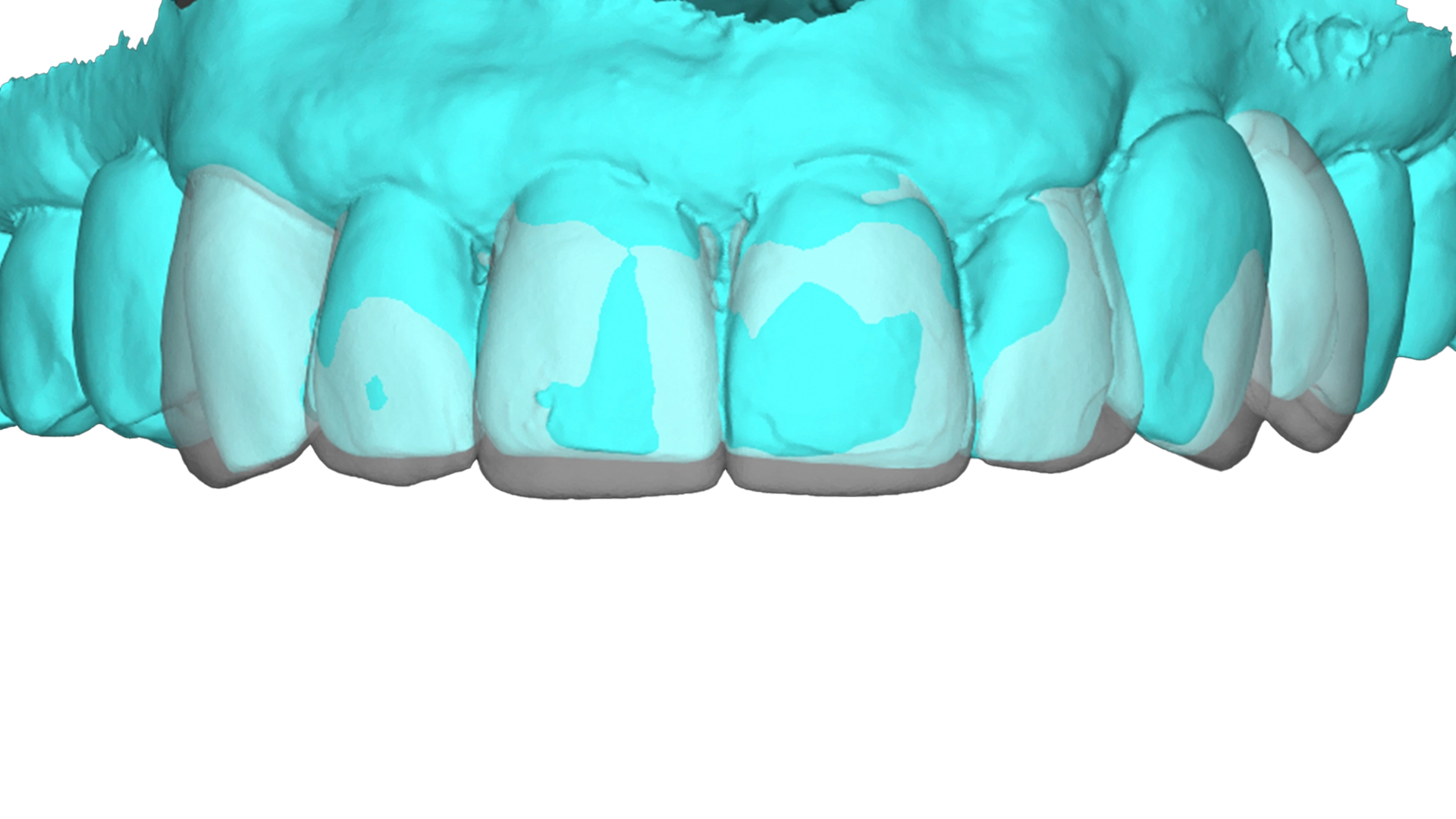
Book a consultation at D’Amico Dental Care in Wayland & Watertown MA and receive:
- 3D evaluation
- Clear explanation of options
- Honest discussion of timing and cost
Ready to Restore Your Smile and Your Health?
Book your consultation at D’Amico Dental Care today.
📍 359 Main St, Watertown, MA 02472 | 📍 241 Boston Post Rd, Wayland, MA 01778
✉️ [email protected]I like it, the place is clean, you can make yourself a coffee to wait, my boyfriend got an implant and the professionalism was excellent, I have no complaints about it, the doctor’s work was impeccable and we were given a term to pay $ 5000

Dr. D’Amico always makes sure his patients are happy prior leaving the office. I had an implant done, and Dr. D’Amico made sure it has a perfect cut and shade before cementing it permanently. He has high quality equipment, materials, and professional staff that make the office an excellent practice. I highly recommend it to anyone who is looking for a great dentist, friendly staff and top-quality equipment that makes the appointment goes way less painful, much faster, and very precise.
I heard about D’Amico Dental Care on 98.5 The Sports Hub and decided to give them a try! They are located right on Main Street in Watertown, with a huge building and plenty of parking. The office is very impressive, filled with the latest technology and friendly staff. My first appointment with Dr. D’Amico was a comprehensive evaluation, and I could immediately appreciate his expertise, honesty, and recommendations. From there, I setup a cleaning a few days later, and it was one of the most thorough cleanings I’ve ever had. I highly recommend if you are looking for a new dentist, have new or different insurance, or need a crown/implant. You can tell Dr. D’Amico has put a lot of time and effort into making his practice stand out in every aspect of patient experience, so go check it out – you’ll be very impressed!
BEST dental office I’ve ever visited, and that’s from someone that works in a hospital, but was terrified of dentist visits all my life.. 🙂 I have many complex issues (most stemming from the Eastern European dentistry of limited resources in my youth, and some from me just not seeing dentists regularly later on….). When I moved in the area I looked for an experienced dentist, preferably with academic connections. Dr D’Amico is faculty at Tufts Dental School. He competently took care of all my problems, explained me the options for each issue, and helped me chose the best solution. He also has an in-office machine can make these great looking ceramic crowns in few hours, and a computerized local anesthesia machine that makes all procedures practically pain free. So far, I had a small bone graft in the lower jaw followed by an implant, some fillings, a ceramic crown – and results are just amazing. I had regular hygienist visits every 3 months with Dawn, she is excellent ! I was referred for other procedures to an excellent oral surgeon in the area. Dr D’Amico’s office staff – special mention to Anna and Eva – is very competent, friendly and warm. Most of all, I can’t believe I am not stressed out when I go to my dental visits… Very highly recommended for anyone that can identify with my story !
First time patient at Dr D’Amico Dental Care in Watertown. Very pleased with the service from the Technicians & the front desk employee! Found Dr Daniel very pleasant to talk too & explained everything thoroughly. Very happy with results!
The first time I went to D’Amico was to get acquainted, get current with xrays and tell my woeful story of letting go of my dental care for years. I was met with compassion, concern and reassurance. I was smitten by the staff, Dr. Chris, and very taken by the immaculate, modern facility. Many clinicians across different fields hesitate to invest in equipment that both improves their performance and the patient’s experience. I worked in the medical field in communications, and I’ve seen lots of variations on both poor and quality care. This place is topnotch. Period. Today, they literally brought me to tears. My first cleaning in years. Angela was thorough, kind, super aware, and truly the best dental hygienist I’ve ever seen. She is a perfect match for this practice that is friendly to the fearful and truly on top of dental practice advances. It has been years and I will return. This gifted group is poised to help me turn my dental health around. I am grateful.
Frequently Asked Questions
1. What happens if I don’t replace a missing tooth?
If a missing tooth is not replaced, the surrounding bone begins to shrink (a process called bone resorption), nearby teeth start shifting, and your bite may become misaligned. Over time, this can lead to jaw pain, gum disease, chewing difficulty, and visible facial changes.
Bone loss can begin within 3 months of tooth loss.
Replacing the tooth early helps preserve bone structure and prevents long-term complications.
2. How soon should I replace a missing tooth?
The ideal time is as soon as the area has healed, typically within a few months after extraction.
The first 3–6 months are critical because bone loss happens fastest during this period. Early replacement often means:
- Simpler procedure
- Less need for bone grafting
- Lower overall treatment complexity
However, even if years have passed, treatment is still possible in most cases.
3. Is it ever too late to get a dental implant?
In most cases, no.
Even if significant bone loss has occurred, modern techniques such as:
- Bone grafting
- Sinus lift procedures
- Guided implant surgery
can rebuild support for implant placement.
A 3D CBCT scan is used to determine feasibility. Age alone is rarely a limiting factor — overall health matters more.
4. Does replacing a missing tooth hurt?
Dental implant placement is performed under local anesthesia, and most patients report discomfort similar to or less than a tooth extraction.
Post-operative soreness is typically mild and manageable with standard pain medication for a few days.
In our experience, anxiety before the procedure is usually worse than the procedure itself.
5. What is the best option to replace a missing tooth: implant, bridge, or partial denture?
The best solution depends on your specific case. Here is a simplified comparison:
- Dental Implant: Replaces both root and crown. Preserves bone. Long-term solution.
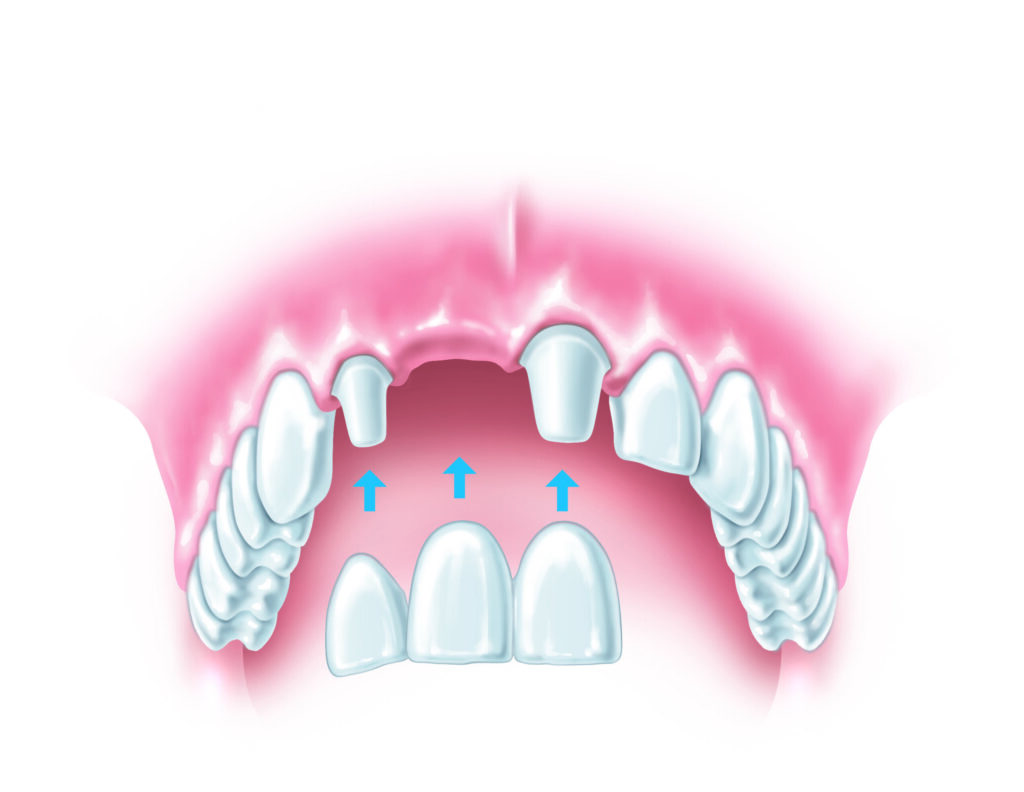
- Dental Bridge: Uses neighboring teeth for support. Faster, but may require reducing healthy teeth.
- Partial Denture: Removable and lower upfront cost, but less stable.
For long-term bone preservation and durability, implants are often considered the gold standard. During consultation, all options are explained clearly so you can make an informed decision.
6. How much does it cost to replace a missing tooth in Wayland & Watertown MA?
The cost varies depending on:
- Bone condition
- Need for grafting
- Type of restoration
- Material used
During your consultation at D’Amico Dental Care, you receive a complete written breakdown of all costs before treatment begins.
There are no hidden fees. Every step is explained in advance so you can plan with confidence.
In many cases, when compared over 10–20 years, implants become more cost-effective than repeated repairs of bridges or dentures.
7. What happens to the bone if I wait too long?
Without a tooth root, the jawbone no longer receives stimulation from chewing. This leads to progressive shrinkage.
Consequences may include:
- Thinner jawbone
- Facial sagging
- Need for bone grafting before implant placement
The longer the delay, the more complex the reconstruction may become.
Early action protects your natural anatomy.
8. Can a missing tooth affect my overall health?
Yes. A missing tooth can indirectly affect:
- Digestion (due to inefficient chewing)
- Gum health (increased plaque retention)
- Jaw joint function (TMJ)
- Chronic inflammation levels
Oral health is closely connected to systemic health. Restoring function supports overall well-being.
9. How long does a dental implant last?
With proper care and good oral hygiene, dental implants can last 20 years or more, and often a lifetime.
Implants are made from medical-grade titanium, which integrates with bone through a biological process called osseointegration.
Regular check-ups and professional cleanings significantly increase longevity.
10. I lost my tooth years ago and feel embarrassed. Is my case too complicated?
Many patients feel this way.
In reality, delayed treatment is very common. Modern implant dentistry is designed specifically to handle complex or long-standing cases.
The first step is simply a diagnostic evaluation. No pressure. Just clarity.
Most patients leave the consultation relieved — because the problem is usually more solvable than they feared.