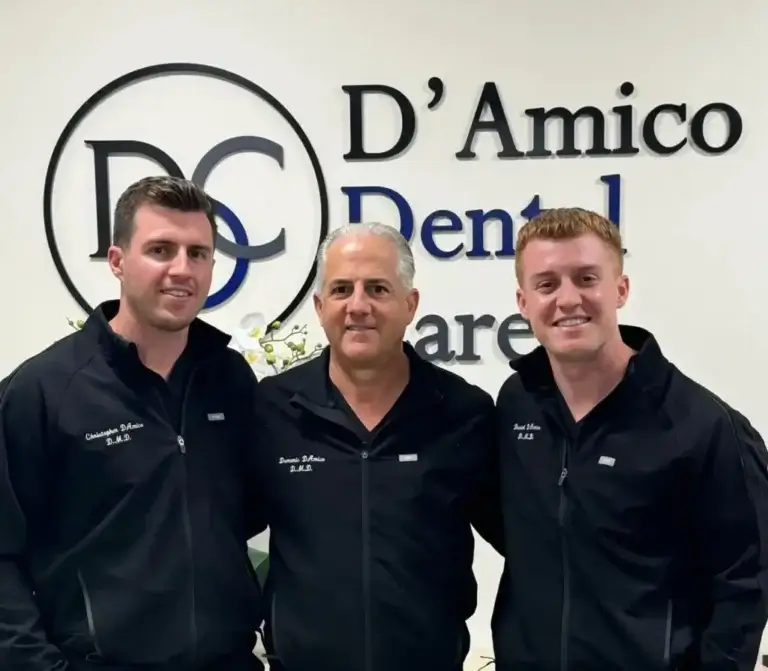
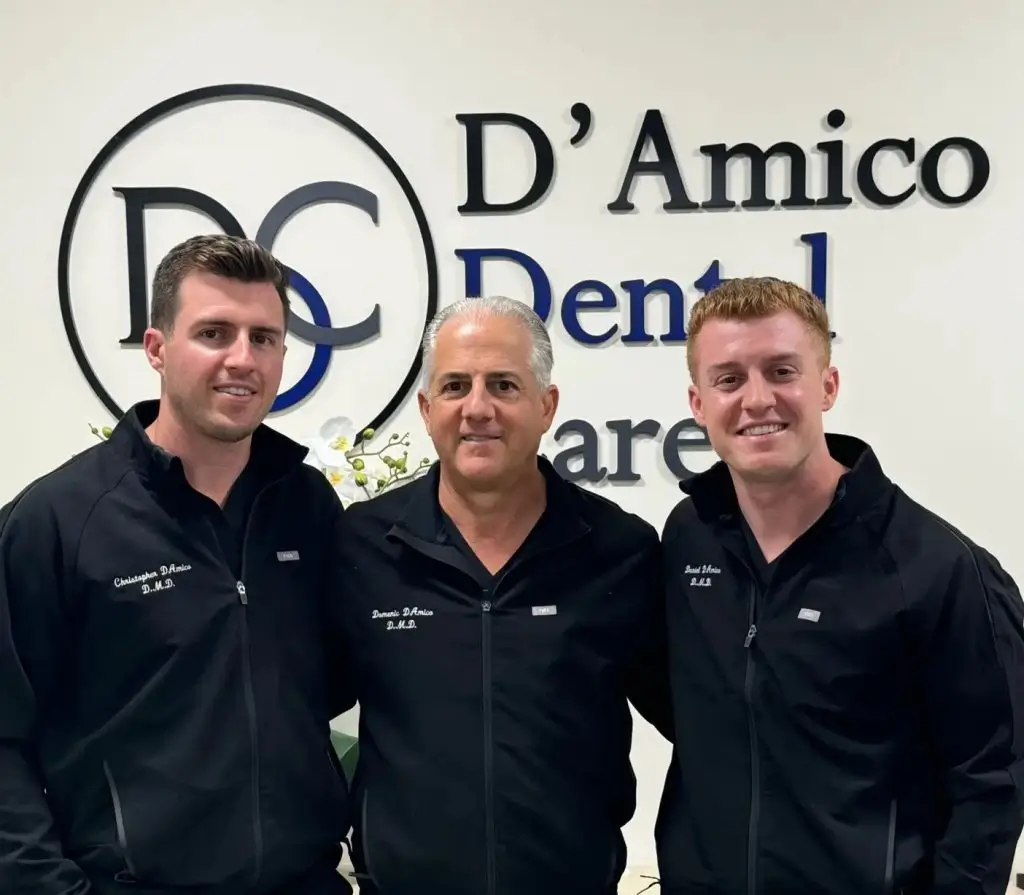
Does the thought of getting a dental implant trigger anxiety or make you feel tense and worried? You’re not alone — millions of patients experience the same fear. The good news is that modern advancements in dental technology and techniques have transformed implants into a precise, predictable, and minimally invasive procedure. At D’Amico Dental Care in Watertown and Wayland, we understand that managing your peace of mind is just as important as restoring your smile.
That’s why our specialist team is by your side at every step with a human-centric, empathetic approach. From a comprehensive explanation of the treatment process to various sedation options, everything is designed to provide a calm and confident experience. In this guide, we will introduce you to practical solutions for overcoming stress and address common questions, enabling you to take a step toward a healthy, beautiful smile with complete peace of mind. We are here to help you conquer dental anxiety.
Understanding Dental Implant Anxiety — And Why It’s More Common Than You Think
Dental anxiety is one of the most common barriers to dental care worldwide. This unpleasant feeling stems from multiple factors, ranging from past negative experiences to fear of pain and a sense of losing control. Understanding these root causes is the first step toward effectively managing this condition and receiving the dental phobia support you deserve.
Natural worry typically involves mild unease before a dental appointment, whereas a phobia is a paralyzing, irrational fear that can prevent someone from visiting the dentist altogether. Those who have a phobia, including specific implant fears, may avoid essential dental care for years, which can lead to more complex dental problems.
Fear-induced stress slows the healing process because stress hormones, such as cortisol, weaken the immune system. Understanding these mechanisms is the first crucial step toward effectively managing anxiety.
Why You Don’t Need to Be Nervous About Dental Implants
Today, thanks to significant advancements in dentistry, dental implants in Wayland & Watertown, MA methods are much gentler, faster, and safer than in the past. The use of modern technologies, such as digital guidance and advanced anesthetics, has completely transformed the treatment experience, especially for those who feel nervous before an implant.
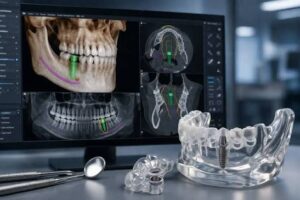
Modern planning tools such as 3D CT scans and digital simulation enable the precise planning of every treatment step. These technologies minimize the risk of unexpected occurrences, making the guided implant procedure highly predictable.
Contrary to common belief, most patients report that post-operative pain and discomfort are much less than they expected, and the recovery period passes more quickly than they had anticipated. If you have any concerns, discussing them with your Wayland dentist can provide further reassurance and clarity.

Guiding You Through Every Step: How Our Team Helps Calm Your Nerves
We understand that visiting the dentist can be stressful for many people, especially when dealing with dental anxiety or specific implant fears. That’s why our team, including your compassionate Watertown dentist, will be by your side throughout the entire treatment process with an empathetic approach and clear communication. Our goal is to create a safe, judgment-free space where you can pursue your treatment with true peace of mind, the very essence of our calm dentistry philosophy.
Our team will listen to your concerns with patience and answer all your questions in simple language. Honest and respectful communication is a fundamental foundation for building mutual trust and confidence.
Before any procedure, we will thoroughly explain all the treatment steps, the tools we will use, and the sensations you might experience. We have designed our office to evoke a feeling of calm and security. From soft lighting to soothing music, every detail has been carefully chosen to create a pleasant experience for you.
Preparing for Your Implant Journey (Mentally & Physically)
Proper preparation before your implant treatment can significantly impact your overall experience. By understanding the treatment process and making necessary preparations, you can navigate this path with greater peace of mind. This preparation involves both mental and physical aspects, which is especially helpful for managing dental anxiety or a fear of dental implants.
Know What to Expect
Before treatment, familiarize yourself thoroughly with the implant placement process. Your dentist will explain the procedure steps, the duration of each appointment, and post-operative care instructions. This awareness helps reduce anxieties stemming from the unknown.
Ask About Comfort & Sedation Options
Consult with your dentist about the different options for pain control and relaxation. From local anesthesia to various sedation options, there are multiple methods to enhance your comfort during treatment. At D’Amico Dental Care in Watertown and Wayland, we will review all dental sedation options with you to create a comfortable experience.
Learn Why Implants Are Safe and Predictable
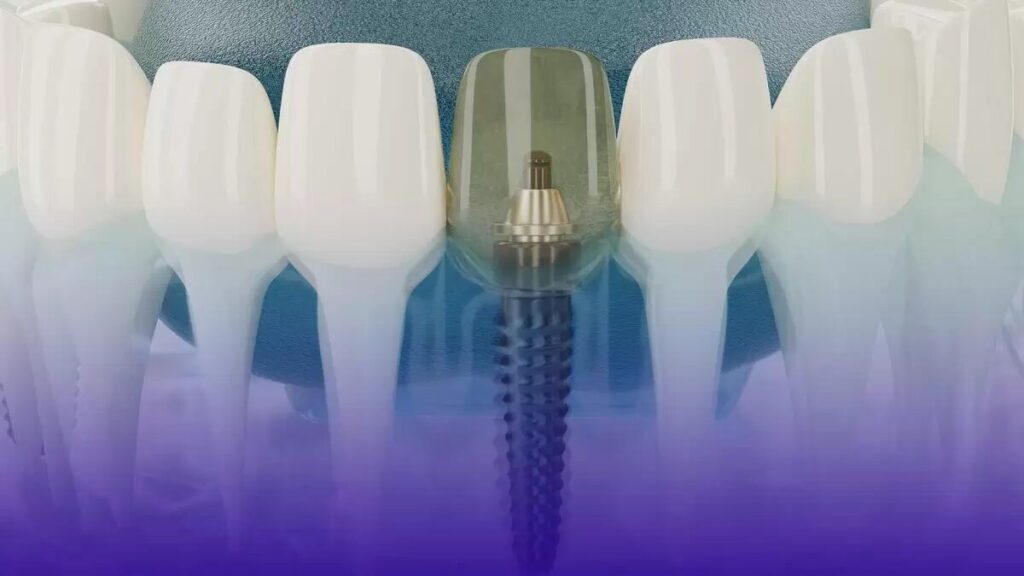
Dental implants have a success rate of 95-98%, making them one of the most predictable dental treatments available. The materials used in implants are made from pure titanium, which is fully compatible with the human body.
Mindset Preparation — Simple Habits to Reduce Anxiety Before Surgery
- Get sufficient sleep the night before the procedure.
- Use deep breathing techniques.
- Prepare your mind with calming music.
- Eat a light meal on the day of the procedure.
- Write down your questions in advance.
These simple preparations can help you enter the treatment process with greater confidence and achieve a more favorable outcome.
What to Expect on Surgery Day — Step-by-Step Peace of Mind
Understanding the day-of-surgery process can help reduce your anxiety and increase your comfort. In this section, we address the most common patient questions about the dental implant surgery experience, providing essential support for those with dental phobias.
Will I Feel Anything During the Surgery?
No. With advanced local anesthesia, you will experience complete pain relief during the procedure. You may feel a slight pressure or gentle vibration, but you will not experience any pain, ensuring a pain-free dental surgery experience.
How Painful Is It Afterwards?
Most patients report that post-operative discomfort is much less than they expected. It is usually easily managed with common pain relievers, such as ibuprofen, and decreases significantly within the first 24-48 hours.
How Much Swelling or Bruising Is Normal?
Mild to moderate swelling in the first 3 days is normal. Some patients may experience bruising, which typically fades within 5 to 7 days. Using an ice pack for the first 24 hours helps reduce swelling.

How Long Is the Recovery? Can I Work the Next Day?
Most patients can return to light activities the day after surgery. We recommend 1-2 days of rest and avoiding strenuous activities for 3-5 days.
What If the Anesthesia Doesn’t Work or Wears Off?
This is very rare. Your Wayland dentist will continuously monitor you throughout the procedure and can administer additional anesthetic if needed. Modern anesthesia systems are reliable and long-lasting. Our entire team is trained to help you manage any dental anxiety and ensure your procedure is as smooth and comfortable as possible.
Common Worries — And the Real Answers from Experts
Dental implant treatment can bring up various questions and concerns. Understanding the scientific facts and real-world experiences can help you make an informed decision. Here, we address patients’ most frequently asked questions, providing genuine support for dental phobias.
What If the Implant Fails or Needs to Be Replaced?
The success rate for dental implants is reported at 95-98%. In rare cases of failure, a new implant can usually be placed. The warranty provided by reputable clinics offers necessary coverage for your peace of mind.

Is This a Major Surgery or Like a Tooth Extraction?
An implant is more complex than an extraction, but with modern techniques, it’s considered a minimally invasive surgery. The procedure typically takes 30-90 minutes and is significantly less invasive than major hospital surgeries.
Are There Any Hidden Risks or Side Effects?
The primary risks include infection (occurring in fewer than 2% of cases) and damage to adjacent nerves (less than 1% of cases). These complications are minimized with precise 3D planning and the dentist’s expertise, whether you see your Wayland dentist or Watertown dentist.
How Many Appointments Will It Take?
Typically, 3-5 appointments are required over 3-6 months, including consultation, surgery, follow-up visit, and final crown placement. New technologies are shortening this timeline and the overall implant healing time.
Will I Be Able to Eat and Talk Normally During the Healing Process?
You should eat soft foods for the first week. Speaking usually returns to normal after 24-48 hours. After complete healing, your function will be just like that of natural teeth.
What If I Start Panicking During the Procedure?
Modern sedation systems allow the level of relaxation to be increased if needed. The trained clinical team is prepared to address your emotional needs, a crucial aspect of managing dental anxiety.
Will My Concerns Be Taken Seriously by the Doctor?
In D’Amico Dental Care, listening to patient concerns is a top priority. Skilled dentists dedicate ample time to hearing all your questions and worries. Your comfort and confidence are our primary goals.

Comfort, Sedation & Safety Options
For patients experiencing significant dental anxiety or feeling nervous before implant surgery, various methods are available to create a comfortable and stress-free experience. These dental sedation options are selected based on each patient’s individual needs and level of anxiety, ensuring a pain-free dental surgery.
Non-IV Sedation Options for Anxious Patients
For patients with mild to moderate anxiety, several non-invasive methods are available. Inhalation sedation using nitrous oxide (laughing gas) is one of the safest and most common techniques; it takes effect immediately and wears off right after the procedure. Additionally, oral sedative medications prescribed by your dentist can help reduce anxiety. These methods allow patients to remain fully conscious but profoundly relaxed during their treatment.
How Our Team Ensures You Never Feel Alone or Overwhelmed
Our team is with you from the first consultation to the completion of your treatment. A dedicated treatment coordinator accompanies you throughout the entire process, answering all your questions. A simple signaling system is designed so you can communicate your needs to the team at any moment by raising your hand. Breaks during longer treatment sessions and access to refreshments are also available for your comfort.
The “Human Touch” That Makes the Experience Different
What distinguishes our clinic’s experience is the attention to human details. The physical space is designed with calming colors, soft lighting, and instrumental music. Our team employs friendly body language and a respectful demeanor to foster a safe environment. Our dentists take ample time to listen to your concerns and explain each step of the procedure before it happens.
Understanding Costs & Support Options
A transparent understanding of costs and support options is a crucial part of effective treatment planning. Patients should be aware of all financial aspects of their care to make informed decisions, which helps alleviate dental anxiety about the investment.
Is Sedation Cost Separate?
Yes, sedation services are typically billed separately from the main treatment cost. This fee depends on the type of sedation method (nitrous oxide, oral, or IV sedation) and the duration of use. You will be informed of the exact cost before treatment begins at your Wayland dentist or Watertown dentist practice.

What Happens If I Change My Mind or Need Financing?
If you change your mind, you can cancel before the primary treatment begins. For patients who need financial assistance, various installment plans are available. These plans include long-term payments with low or no interest.
Will the Clinic Support Me If the Implant Fails?
Yes, reputable clinics typically provide a warranty for the implant. This warranty covers the cost of replacing the implant in the event of failure within the specified period. The warranty terms are explained transparently before treatment.
Post-Surgery Confidence — What Happens Next
The recovery period after a dental implant plays a vital role in the long-term success of your treatment. Following the care instructions can help speed up the healing process and minimize discomfort, easing any lingering dental anxiety.
Simple Tips for Smooth Healing and Minimal Discomfort
- Use an ice pack for the first 24 hours.
- Consume soft, cool foods.
- Avoid smoking and using straws.
- Take prescribed medications as directed.
- Get plenty of rest.
When to Contact the Office
- Uncontrollable bleeding.
- Severe pain not reduced by painkillers.
- Unusual or increasing swelling.
- Fever over 38°C (100.4°F).
- Signs of infection, such as pus or a foul odor.
How to Keep Calm During the Healing Phase
- Practice deep breathing and meditation.
- Listen to calming music.
- Engage in light activities like reading.
- Stay in communication with your care team.
- Trust the natural healing process.
These simple care steps can help you navigate the recovery period with greater ease and achieve the best possible outcome. The team at D’Amico Dental Care in Watertown and Wayland is always here to support you.
You’re Prepared — Now What?
Feeling relaxed means a faster and better recovery. Your comfort and safety aren’t a luxury—they are our standard.
Book your personal implant consultation today and experience a care journey designed around you, not just your teeth. Whether you visit our Wayland dentist or our Watertown dentist, your comfort is our priority.
D’Amico Dental Care — Watertown & Wayland MA
Ready to Take the Next Step Toward a Healthier Smile?
Schedule your personalized consultation at D’Amico Dental Care today — precise diagnostics, transparent planning, zero pressure.
FAQ
1. What If I'm Extremely Anxious About the Procedure?
We specialize in anxious patients. We offer sedation options and create a calm, comfortable environment for you.
2. Will I Feel Pain During the Implant Procedure?
No, you'll be completely numb. Local anesthesia ensures a pain-free surgical experience.
3. What Sedation Options Are Available?
Multiple choices, including nitrous oxide ("laughing gas"), oral sedation, and IV sedation for complete relaxation.
4. Can I Signal If I Need a Break?
Absolutely. We establish clear hand signals so you can communicate discomfort or a need for a pause at any time.
5. Can Someone Come With Me to My Appointment?
Yes, we welcome support persons to accompany you and help you feel more comfortable.
6. Will You Explain Each Step Beforehand?
Yes, in detail. We walk you through the entire process so there are no surprises.
7. How Much Pain Will I Have Afterward?
Minimal discomfort that's easily managed with over-the-counter or prescribed pain medication.
8. What If My Implant Fails?
We achieve high success rates (over 95%), but we have contingency plans in place in case any issues arise.
9. How Long Will the Procedure Take?
Typically 1-2 hours per implant, though complex cases may take longer.
10. How Can I Prepare to Feel Calmer?
We provide pre-visit instructions, relaxation techniques, and can prescribe anti-anxiety medication if needed.