Quick Summary
- Veneers are ideal for chipped, stained, slightly crooked, or gapped teeth.
- Your teeth and gums must be healthy before treatment.
- Severe grinding, major decay, or weak enamel may require treatment first.
- Sometimes orthodontics or gum therapy is recommended before veneers.
- A professional evaluation ensures veneers are safe, long-lasting, and natural looking.
The key insight most patients miss: veneers are not just cosmetic shells — they are part of a complete smile design system.
Understanding candidacy protects your smile, your investment, and your confidence.
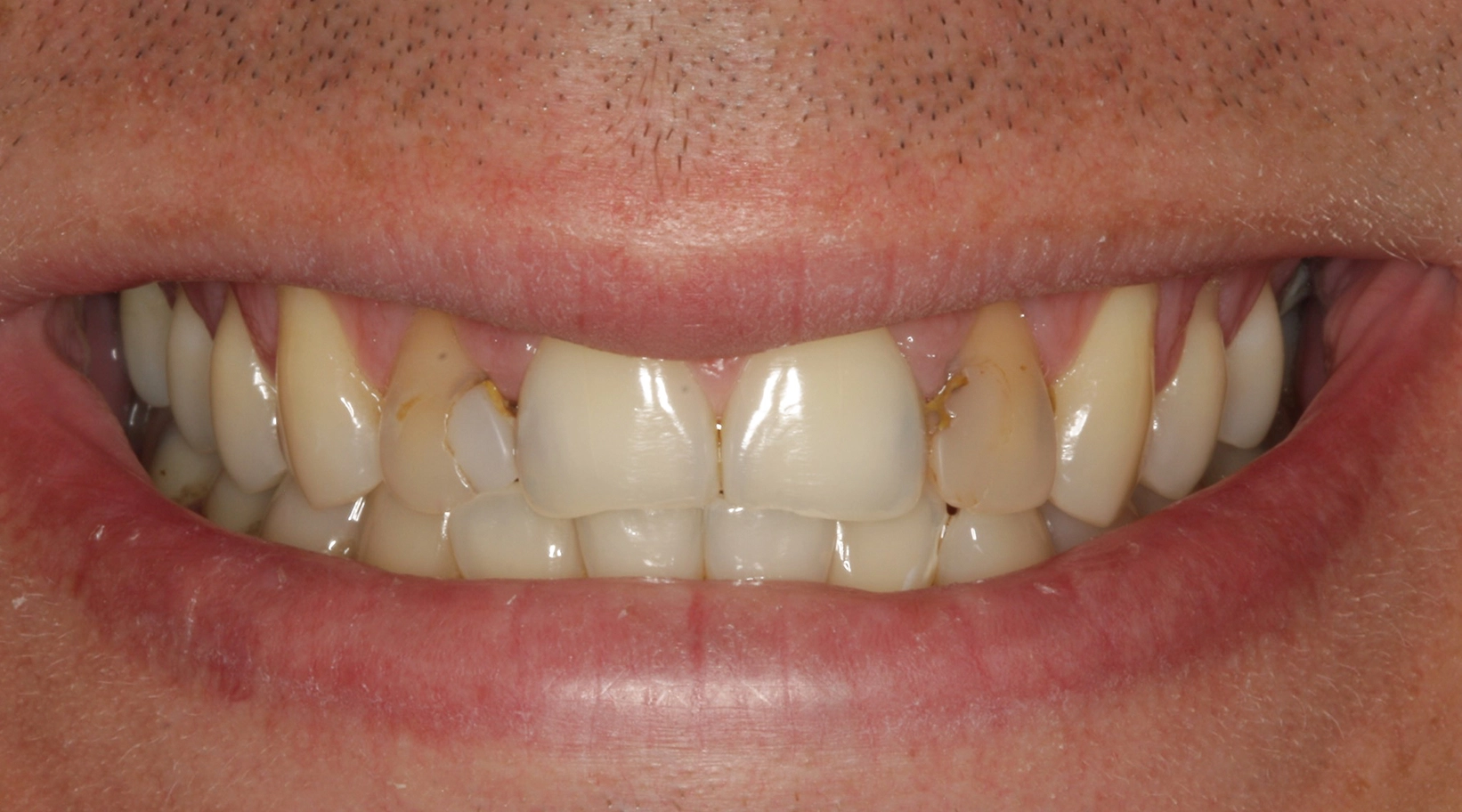
Veneers Candidacy Guide: Who Is a Good Candidate for Dental Veneers and Who Should Avoid Them?
veneers are not the right solution for everyone.
The goal of this guide is simple: help you understand who truly benefits from veneers and when another treatment is safer or smarter.
Am I a Good Candidate for Dental Veneers?
A good candidate typically has:
- Generally healthy teeth and gums
- Cosmetic concerns affecting the front teeth
- Realistic expectations about the result
- Commitment to good oral hygiene
Veneers are thin shells made from porcelain or composite resin. They bond to the front surface of the tooth to improve its appearance while preserving most of the natural tooth structure.
Think of them as precision smile engineering, not just cosmetic decoration.
What Dental Problems Can Veneers Actually Fix?
You might be surprised how many issues veneers can correct.
They are most effective for visible aesthetic imperfections, including:
- Chipped or worn teeth
- Persistent stains that whitening cannot remove
- Small gaps between teeth
- Minor misalignment or uneven shapes
- Teeth that appear too small or irregular
Imagine a row of piano keys.
If one key is shorter or darker than the others, the entire keyboard looks uneven.
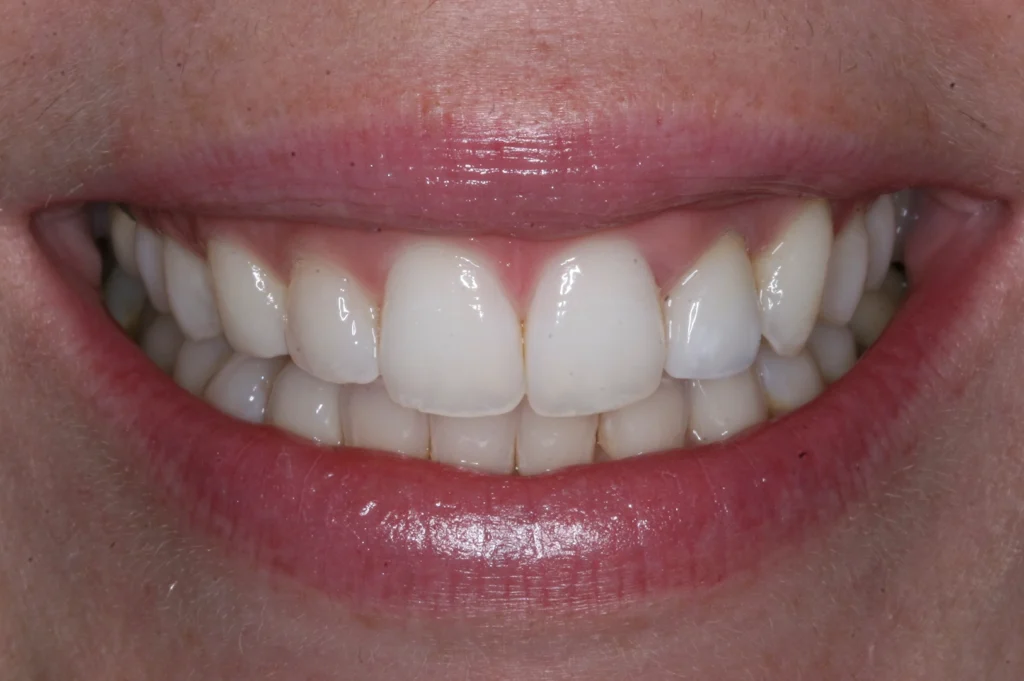
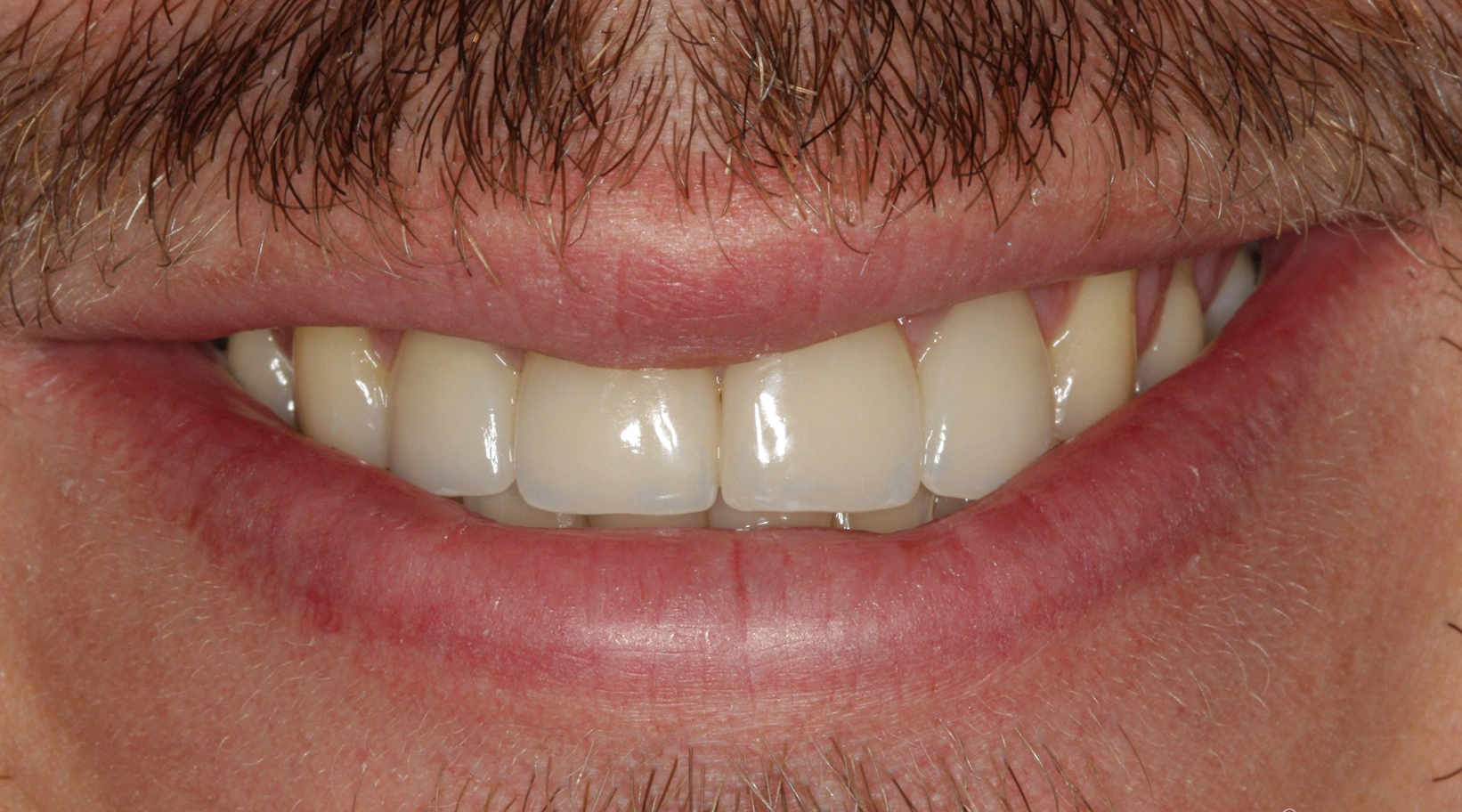
Veneers allow dentists to reshape and harmonize the smile so every tooth fits the overall composition.
How Healthy Do My Teeth Need to Be Before Getting Veneers?
Patients in Wayland MA & Watertown MA often worry their teeth must be “perfect.”
They don’t.
However, they must be healthy.
That means:
- No active tooth decay
- No untreated gum disease
- Adequate enamel for bonding
- Stable bite alignment
If any of these conditions are present, dentists treat them first.
This protects two things:
- The longevity of the veneers
- Your overall oral health
Skipping this step would be like painting over structural damage in a house. It might look good temporarily, but problems return.
Can I Get Veneers If My Teeth Are Crooked or Misaligned?
This is one of the most common questions.
Yes—mild misalignment can often be corrected with veneer.
For example:
- Slightly rotated teeth
- Minor overlapping
- Unequally shaped teeth
In these cases, veneers can create the visual effect of straight teeth without orthodontics.
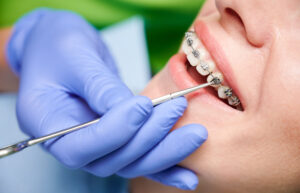
However, moderate or severe misalignment usually requires orthodontic treatment first, such as clear aligners.
Why?
Because veneers improve appearance, while orthodontics corrects tooth position and bite mechanics.
Combining both often produces the most stable, natural result.
Can Veneers Fix Gaps Between Teeth?
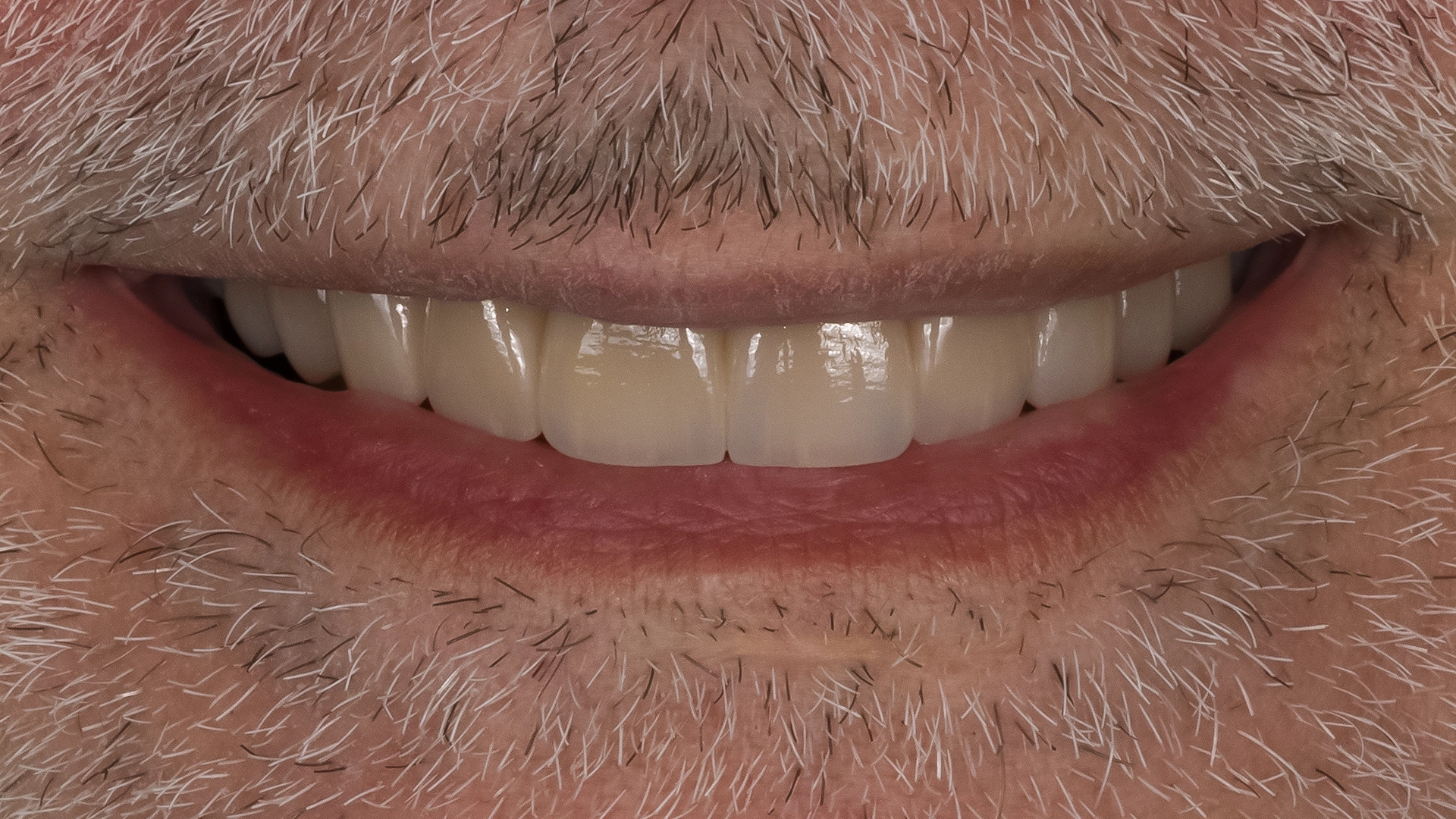
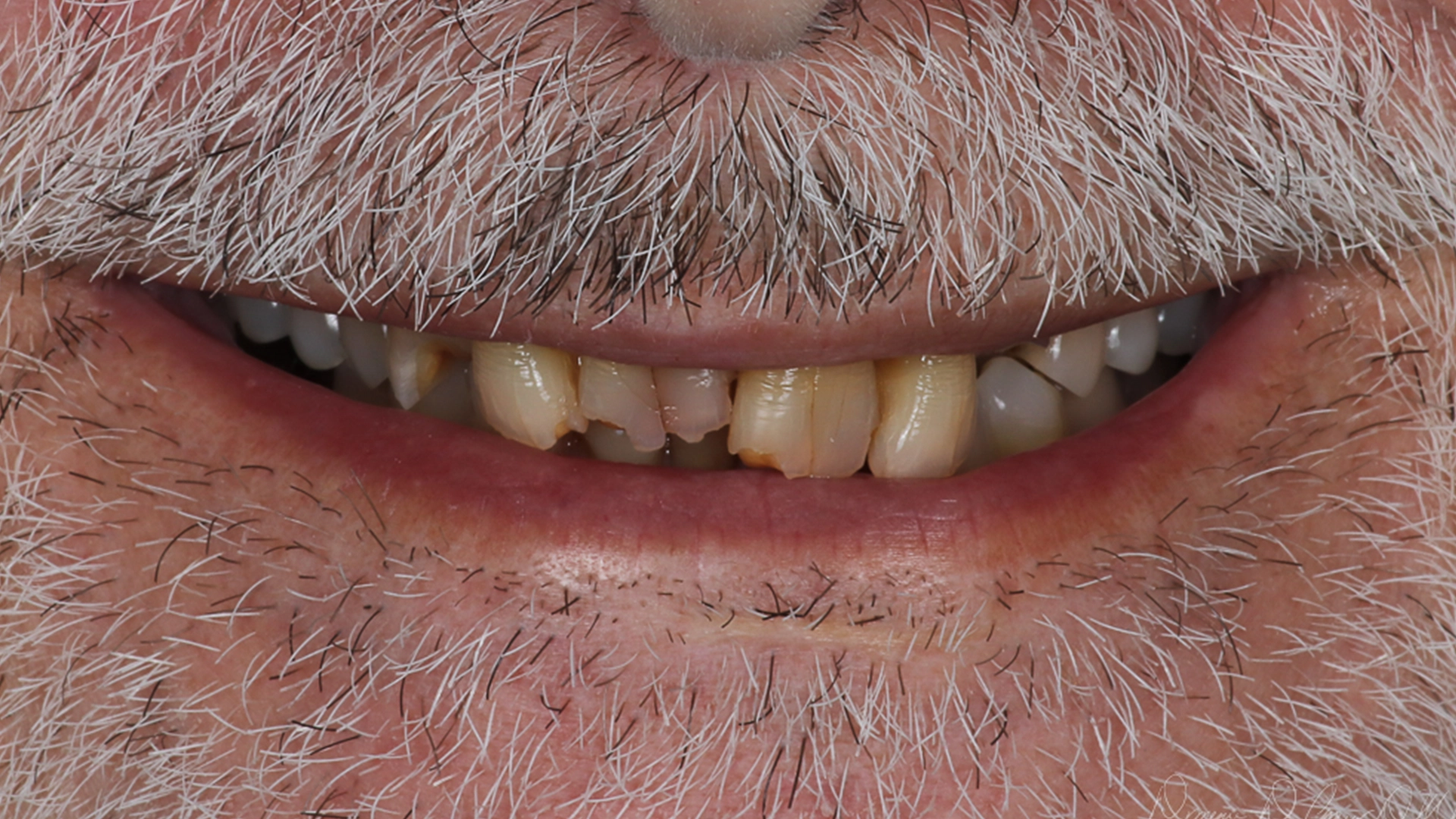
Yes, veneers are one of the most effective solutions for small to moderate gaps (diastema).
Instead of moving teeth together, veneers reshape each tooth slightly wider so the gap disappears.
Patients often love this approach because:
- Treatment is faster than orthodontics
- The smile shape improves simultaneously
- The result looks natural when planned correctly
Picture the moment you notice the gap is gone.
The smile suddenly looks balanced and intentional.
Are Veneers a Good Option for Severely Stained or Discolored Teeth?
Some stains resist even professional whitening.
Common causes include:
- Tetracycline staining
- Trauma-related discoloration
- Fluorosis
- Old dental restorations
Porcelain veneers are highly effective in these cases because the ceramic material completely masks underlying discoloration.
Unlike whitening, which works chemically, veneers create a new optical surface for the tooth.
The result is often brighter—and more stable over time.
Do I Need Straight Teeth Before Getting Veneers?
Not always.
For mild alignment issues, veneers can visually straighten teeth through careful shape design.
But if teeth are severely crowded or the bite is unstable, orthodontics may come first.
A useful way to think about it:
- Orthodontics moves teeth
- Veneers reshape teeth
Sometimes the best smile results come from combining both.
Who Should NOT Get Dental Veneers?
While veneers are powerful, they are not a universal solution.
Certain conditions increase the risk of veneer failure or damage.
Identifying these early protects patients from disappointment and unnecessary cost.
Can You Get Veneers If You Have Tooth Decay or Gum Disease?
No reputable dentist will place veneers over active disease.
Tooth decay and periodontal disease must be treated first.
Why?
Because both conditions continue progressing underneath the veneer if ignored.
Typical preparation steps may include:
- Professional cleaning
- Cavity treatment
- Gum therapy
Once the mouth is healthy, veneers can be safely placed.
Why People With Weak Enamel May Not Be Good Candidates
Veneers rely on strong enamel for bonding.
If enamel is severely eroded or damaged, the adhesive bond may not be stable long term.
In these situations dentists may recommend:
- Dental crowns
- Enamel restoration treatments
- Alternative cosmetic options
The goal is always long-term stability, not quick cosmetic change.
Are Veneers a Bad Idea for Teeth Grinding (Bruxism)?
Frequent grinding (bruxism) places intense pressure on veneers.
Without protection, this pressure may cause:
- Cracking
- Chipping
- Premature wear
However, this does not automatically disqualify patients.
Solutions may include:
- Night guards
- Bite adjustment
- Stress-related habit management
Many veneer patients with bruxism still succeed with the right protective plan.
Can People With Large Fillings or Damaged Teeth Get Veneers?
Sometimes yes, sometimes no.
If too much natural tooth structure is missing, veneers may not provide enough support.
In these cases, dentists may recommend ceramic crowns, which cover the entire tooth for added strength.
This is another reason why individual evaluation matters.
What Happens If Your Teeth Are Too Small or Too Thin?
Interestingly, veneers often work very well for small or undersized teeth.
They can:
- Increase visible tooth size
- Improve smile proportions
- Create symmetry between teeth
But extremely thin teeth may require careful planning to avoid excessive enamel removal.
This is where digital smile design becomes valuable.
Why Some Patients Need Orthodontics Before Veneers
Orthodontic treatment is recommended when:
- Teeth are severely crowded
- The bite is unstable
- Jaw alignment affects tooth wear
Correcting these factors first allows veneers to last much longer.
Think of orthodontics as preparing the foundation for cosmetic work.
Dental Conditions That May Require Treatment Before Veneers
Many patients assume veneers start immediately.
In reality, dentists often perform preparatory treatments to ensure the best outcome.
Do You Need a Professional Cleaning Before Veneers?
Almost always, yes.
Professional cleaning removes plaque and tartar, allowing the dentist to:
- Evaluate gum health
- Detect hidden cavities
- Plan veneer placement accurately
This small step dramatically improves treatment success.
Why Gum Health Is Critical Before Veneer Treatment
Healthy gums frame the teeth.
If gums are inflamed or uneven, veneers may look unnatural.
Gum treatment can include:
- Deep cleaning
- Gum contouring
- Periodontal therapy
The result is a balanced smile architecture.
Can Cavities Be Treated Before Getting Veneers?
Yes. Cavities must be treated first.
Once the decay is removed and the tooth restored, veneers can safely be placed.
Skipping this step risks hidden damage developing beneath the veneer.
When Orthodontic Treatment Is Recommended Before Veneers
Dentists may recommend orthodontics when veneers alone cannot achieve stable alignment.
Modern clear aligners often complete treatment in 6–12 months, after which veneers finalize the cosmetic design.
Patients often appreciate this combination because it preserves more natural tooth structure.
How Dentists Evaluate Veneer Candidates at D’Amico Dental Care in Wayland MA & Watertown MA
Every smile is unique.
That is why veneer candidacy is determined through a structured diagnostic process, not guesswork.
At D’Amico Dental Care in Wayland & Watertown MA, the evaluation typically includes:
- Comprehensive oral examination
- Digital smile analysis
- Bite assessment
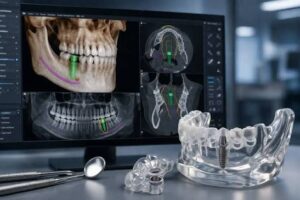
- High-resolution dental imaging
- Personalized treatment planning
You finally understand:
- What is possible
- What is recommended
- What will deliver the most natural, lasting result
And most importantly—you leave knowing whether veneers truly fit your smile.
Right now, you might still be wondering:
“Would veneers actually work for my teeth?”
The safest way to answer that question is a professional veneer candidacy evaluation.
During this visit, we analyze your smile, explain every option clearly, and show what your future smile could look like before any treatment begins.
I like it, the place is clean, you can make yourself a coffee to wait, my boyfriend got an implant and the professionalism was excellent, I have no complaints about it, the doctor’s work was impeccable and we were given a term to pay $ 5000

Dr. D’Amico always makes sure his patients are happy prior leaving the office. I had an implant done, and Dr. D’Amico made sure it has a perfect cut and shade before cementing it permanently. He has high quality equipment, materials, and professional staff that make the office an excellent practice. I highly recommend it to anyone who is looking for a great dentist, friendly staff and top-quality equipment that makes the appointment goes way less painful, much faster, and very precise.
I heard about D’Amico Dental Care on 98.5 The Sports Hub and decided to give them a try! They are located right on Main Street in Watertown, with a huge building and plenty of parking. The office is very impressive, filled with the latest technology and friendly staff. My first appointment with Dr. D’Amico was a comprehensive evaluation, and I could immediately appreciate his expertise, honesty, and recommendations. From there, I setup a cleaning a few days later, and it was one of the most thorough cleanings I’ve ever had. I highly recommend if you are looking for a new dentist, have new or different insurance, or need a crown/implant. You can tell Dr. D’Amico has put a lot of time and effort into making his practice stand out in every aspect of patient experience, so go check it out – you’ll be very impressed!
BEST dental office I’ve ever visited, and that’s from someone that works in a hospital, but was terrified of dentist visits all my life.. 🙂 I have many complex issues (most stemming from the Eastern European dentistry of limited resources in my youth, and some from me just not seeing dentists regularly later on….). When I moved in the area I looked for an experienced dentist, preferably with academic connections. Dr D’Amico is faculty at Tufts Dental School. He competently took care of all my problems, explained me the options for each issue, and helped me chose the best solution. He also has an in-office machine can make these great looking ceramic crowns in few hours, and a computerized local anesthesia machine that makes all procedures practically pain free. So far, I had a small bone graft in the lower jaw followed by an implant, some fillings, a ceramic crown – and results are just amazing. I had regular hygienist visits every 3 months with Dawn, she is excellent ! I was referred for other procedures to an excellent oral surgeon in the area. Dr D’Amico’s office staff – special mention to Anna and Eva – is very competent, friendly and warm. Most of all, I can’t believe I am not stressed out when I go to my dental visits… Very highly recommended for anyone that can identify with my story !
First time patient at Dr D’Amico Dental Care in Watertown. Very pleased with the service from the Technicians & the front desk employee! Found Dr Daniel very pleasant to talk too & explained everything thoroughly. Very happy with results!
The first time I went to D’Amico was to get acquainted, get current with xrays and tell my woeful story of letting go of my dental care for years. I was met with compassion, concern and reassurance. I was smitten by the staff, Dr. Chris, and very taken by the immaculate, modern facility. Many clinicians across different fields hesitate to invest in equipment that both improves their performance and the patient’s experience. I worked in the medical field in communications, and I’ve seen lots of variations on both poor and quality care. This place is topnotch. Period. Today, they literally brought me to tears. My first cleaning in years. Angela was thorough, kind, super aware, and truly the best dental hygienist I’ve ever seen. She is a perfect match for this practice that is friendly to the fearful and truly on top of dental practice advances. It has been years and I will return. This gifted group is poised to help me turn my dental health around. I am grateful.
Ready for Complete Clarity About Veneers and Your Teeth?
Book your diagnostic smile consultation at D’Amico Dental Care today.
📍 359 Main St, Watertown, MA 02472 | 📍 241 Boston Post Rd, Wayland, MA 01778
📞 Call D’Amico Dental Care — +1-617-926-1801✉️ [email protected]
Frequently Asked Questions
1. Can veneers damage my natural teeth?
No. Veneers do not harm healthy teeth when performed correctly. A small amount of enamel is smoothed (not drilled deeply), which actually protects the tooth once the veneer is bonded. The only time veneers become risky is when they are placed on unhealthy teeth, which is why proper evaluation is essential.
2. How long do veneers last if I take good care of them?
Porcelain veneers typically last 12–20 years, depending on bite forces, hygiene, and lifestyle. With night-guard protection and proper cleaning habits, many patients enjoy veneers for even longer. Longevity is directly linked to initial candidacy quality — the better the foundation, the longer they last.
3. Are veneers painful to get?
Most patients report little to no discomfort. Veneer preparation is minimally invasive and usually requires only local anesthesia. If your teeth or gums are very sensitive, your dentist can take extra steps to ensure complete comfort. After placement, mild temporary sensitivity is normal and fades quickly.
4. Can I get veneers if I grind my teeth at night?
Yes, but only with protection. Patients with bruxism can still receive veneers if they use a custom night guard afterward. Without protection, grinding can stress the veneers and shorten their lifespan. Proper bite evaluation is part of candidacy screening to ensure safety.
5. Are veneers reversible if I change my mind in the future?
Technically, veneers are a permanent treatment, because a thin layer of enamel is reshaped. However, teeth can always be restored with new veneers or crowns in the future. What you cannot do is return to the exact pre-veneer enamel surface — which is why candidacy evaluation is so important.
6. Can veneers look too white or fake? I want a natural smile.
Absolutely — and the risk is real with poorly designed veneers. High-quality veneers are custom-shaded, layered, and textured to mimic natural enamel translucency. You can choose from natural shades, youthful brightness, or a subtle enhancement. Modern veneer design avoids the “Hollywood plastic white” look unless you specifically request it.
7. What if I only want veneers on a few teeth, not my whole smile?
Many patients choose 2–6 veneers instead of a full set. The key is ensuring that the veneers blend seamlessly with your natural teeth. Your dentist may recommend whitening first to achieve a unified shade across all visible teeth.
8. Do I need perfectly straight teeth before veneers?
Not always. Veneers can correct mild crookedness, minor gaps, and uneven shapes. But if teeth are severely crowded or the bite is unstable, orthodontics may be recommended first to prevent future complications. The goal is always long-term stability, not quick fixes.
9. What happens if I have cavities or gum problems before getting veneers?
They must be treated first. Veneers must be bonded to healthy tooth structure. Cavities, gum disease, or inflammation interfere with bonding and can cause veneer failure. Treating these issues before veneers ensures strength, safety, and long-term success.
10. How do I know if veneers are the best option for my smile goals?
Your dentist evaluates tooth health, enamel thickness, gum condition, alignment, bite dynamics, and aesthetic goals. Sometimes veneers are perfect; other times, whitening, bonding, crowns, or aligners are better. The candidacy consultation gives you a clear, personalized roadmap so you always choose the safest and most effective option.