
Quick Summary
- A dental implant can replace a missing tooth, but it is not automatically the right choice for every patient.
- The condition of your jawbone, neighboring teeth, gums, overall health, and bite all influence treatment planning.
- A dental bridge or partial denture may be a suitable alternative, depending on your clinical needs and preferences.
- Implants replace the missing tooth’s root and support a replacement crown, while bridges and dentures work differently.
- The most useful first step is an assessment that compares the realistic benefits, limitations, costs, and maintenance requirements of each option.
Losing a tooth raises an important question: Should you replace it, and if so, how? A dental implant is one option, but the decision involves more than choosing a replacement that looks like a natural tooth.
The right treatment depends on what needs to be restored, what the surrounding teeth and bone can support, and what you want from the result. Understanding these factors can help you have a more productive discussion with your dentist before committing to treatment.


When Is a Dental Implant the Recommended Treatment?
A dental implant may be recommended when a missing tooth needs to be replaced and the surrounding conditions are suitable for implant treatment. An implant is a small fixture placed in the jawbone. After healing, it can support an abutment and a crown that replaces the visible tooth.
Implants can restore chewing function and appearance without relying on neighboring teeth for support. However, suitability depends on the individual case. The position of the missing tooth, the health of your gums, the available bone, and your medical history all matter.
Replacing a tooth is not always urgent, and not every gap requires the same solution. Your dentist can help determine whether an implant, another type of restoration, or monitoring is appropriate.
Preventing Bone Loss After Tooth Extraction
The jawbone changes after a tooth is removed because it no longer receives the same stimulation from the tooth’s root. Some bone resorption, or loss of bone volume, is a normal part of healing after an extraction.
A dental implant transfers chewing forces to the surrounding bone and may help preserve bone in the area. However, an implant does not prevent all bone loss, and the amount of change varies from patient to patient.
If significant bone has already been lost, additional treatment, such as bone grafting, may be considered. A clinical examination and appropriate imaging help determine whether there is enough bone for implant placement or whether preparatory treatment is needed.
Functional and Structural Consequences of Leaving a Gap Untreated
The effects of a missing tooth depend on its location and the condition of the rest of your mouth. A missing front tooth may affect your appearance and speech, while a missing back tooth may change how you chew.
Over time, neighboring teeth may shift or tilt into the space, and the opposing tooth may move toward it. These changes do not occur in every case, but they can affect your bite and make future restorative treatment more complex.
The key question is not simply whether a gap exists. It is whether leaving that particular gap untreated is likely to affect your oral function, dental stability, or future treatment options. Your dentist can assess these factors before recommending a replacement.
5 Questions to Discuss with Your Dentist Before Choosing an Implant
Before deciding, focus on five areas that can change the treatment plan. These questions help connect the clinical findings to your priorities, rather than assuming an implant is the best option simply because a tooth is missing.
Question 1: Is There Enough Bone to Support an Implant?
An implant needs adequate bone to support it in a stable position. Bone height, width, and density, along with the location of nearby nerves and sinuses, influence where an implant can be placed.
A clinical examination and, when indicated, a 3D cone-beam CT (CBCT) scan can help assess these structures. If bone volume is limited, bone grafting may be an option, although it can add treatment time, cost, and complexity.
Ask your dentist whether your existing bone is suitable and whether any additional procedures are likely to be needed.
Question 2: What Is the Condition of the Adjacent Teeth?
The teeth beside the gap can influence which replacement option makes the most sense.
If neighboring teeth are healthy, an implant may allow them to remain untouched. A conventional dental bridge usually relies on supporting teeth, which may need to be reshaped to hold the restoration.
However, if adjacent teeth already have large fillings, crowns, or damage, a bridge may be worth considering. The decision should account for the condition of the supporting teeth, not just the missing tooth.
Question 3: Are There Medical Factors That Could Affect Implant Success?
Your overall health, gum health, smoking habits, medications, and ability to maintain good oral hygiene can all influence implant treatment and healing.
Conditions such as poorly controlled diabetes and active gum disease may increase the risk of complications. Certain medications and previous treatments can also affect bone healing or require additional planning.
These factors do not automatically rule out an implant. Tell your dentist about your medical history and medications so the risks can be assessed and managed appropriately.
Question 4: What Are the Realistic Long-Term Outcomes for My Case?
Ask what the proposed restoration is expected to achieve, how long treatment may take, and what maintenance it will require.
An implant can provide a fixed replacement tooth, but it is not maintenance-free. The implant, surrounding gums, and crown need regular professional monitoring and daily cleaning. The crown may eventually need repair or replacement, and complications can occur.
Your dentist should explain the expected healing stages, likely limitations, and factors that could affect your individual outcome. A realistic treatment plan includes both the intended result and the care needed to maintain it.
Question 5: What Alternatives Are Available, and How Do They Compare?
Ask your dentist to compare an implant with a dental bridge, a removable partial denture, and, where clinically appropriate, leaving the space untreated.
Consider more than the initial price. Compare treatment time, effects on neighboring teeth, comfort, appearance, cleaning requirements, future repairs, and long-term costs.
There is no single option that suits everyone. The best choice is the one that meets your clinical needs and fits your preferences after you understand the trade-offs.
Implant vs. Bridge vs. Partial Denture: A Clinical Comparison
Each option replaces a missing tooth differently. A dental implant is placed in the jawbone and supports a crown. A bridge uses adjacent teeth or other suitable supports to hold a replacement tooth. A partial denture is removable and replaces one or more missing teeth.
Longevity, Maintenance, and Effects on Surrounding Teeth
Implants, bridges, and partial dentures can all provide useful tooth replacement, but none lasts indefinitely in every case. Longevity depends on factors such as oral hygiene, bite forces, material condition, gum health, and regular maintenance.
An implant avoids preparing adjacent healthy teeth for a conventional bridge, but it requires surgery and ongoing monitoring. A bridge avoids implant surgery, although supporting teeth may need alteration. A partial denture is removable and may be less invasive initially, but its fit and supporting structures may need periodic adjustment.
Compare the entire treatment process, not just the procedure or starting price. The most suitable option balances clinical needs, maintenance, expected lifespan, and total cost over time.
Why Patients in Wayland and Watertown, MA, Choose D’Amico Dental Care for Implant Treatment
Choosing an implant provider involves understanding how treatment will be planned, how different clinical factors will be assessed, and who will guide you through the process.
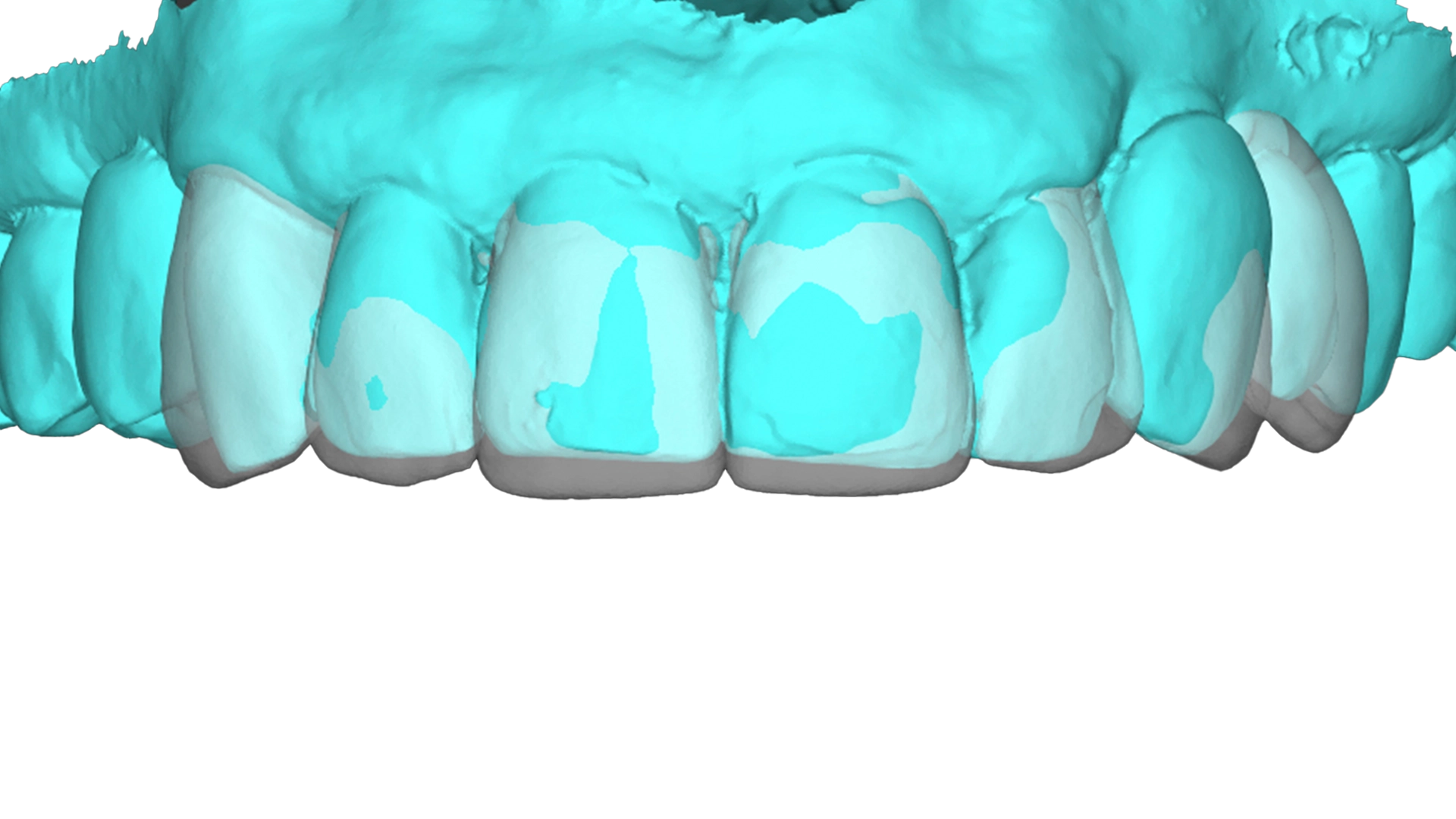
At D’Amico Dental Care, implant planning can incorporate 3D CBCT imaging and digital surgical guidance to assess the available bone and the position of important anatomical structures. These tools help translate the treatment plan into a defined surgical approach.

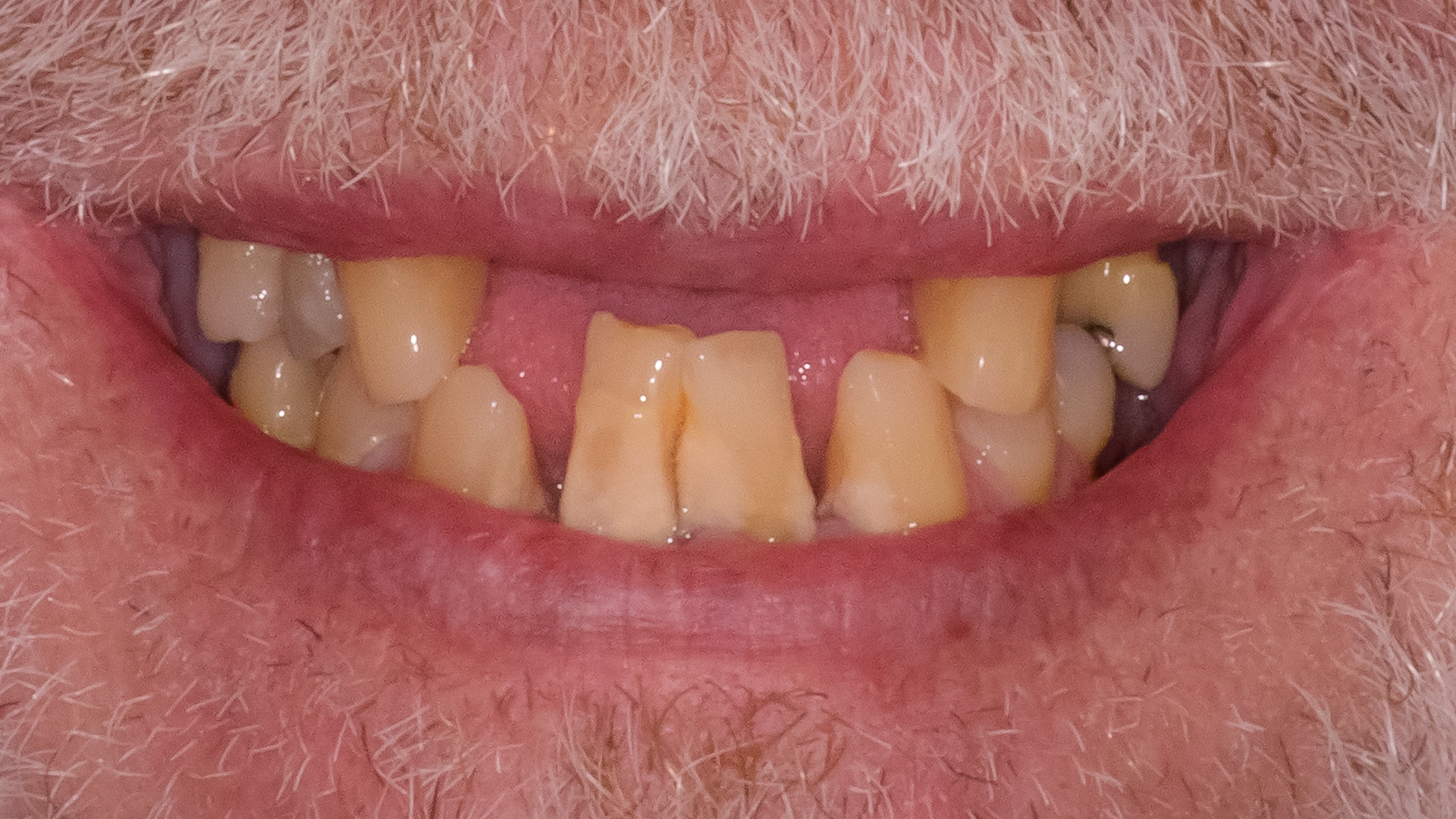
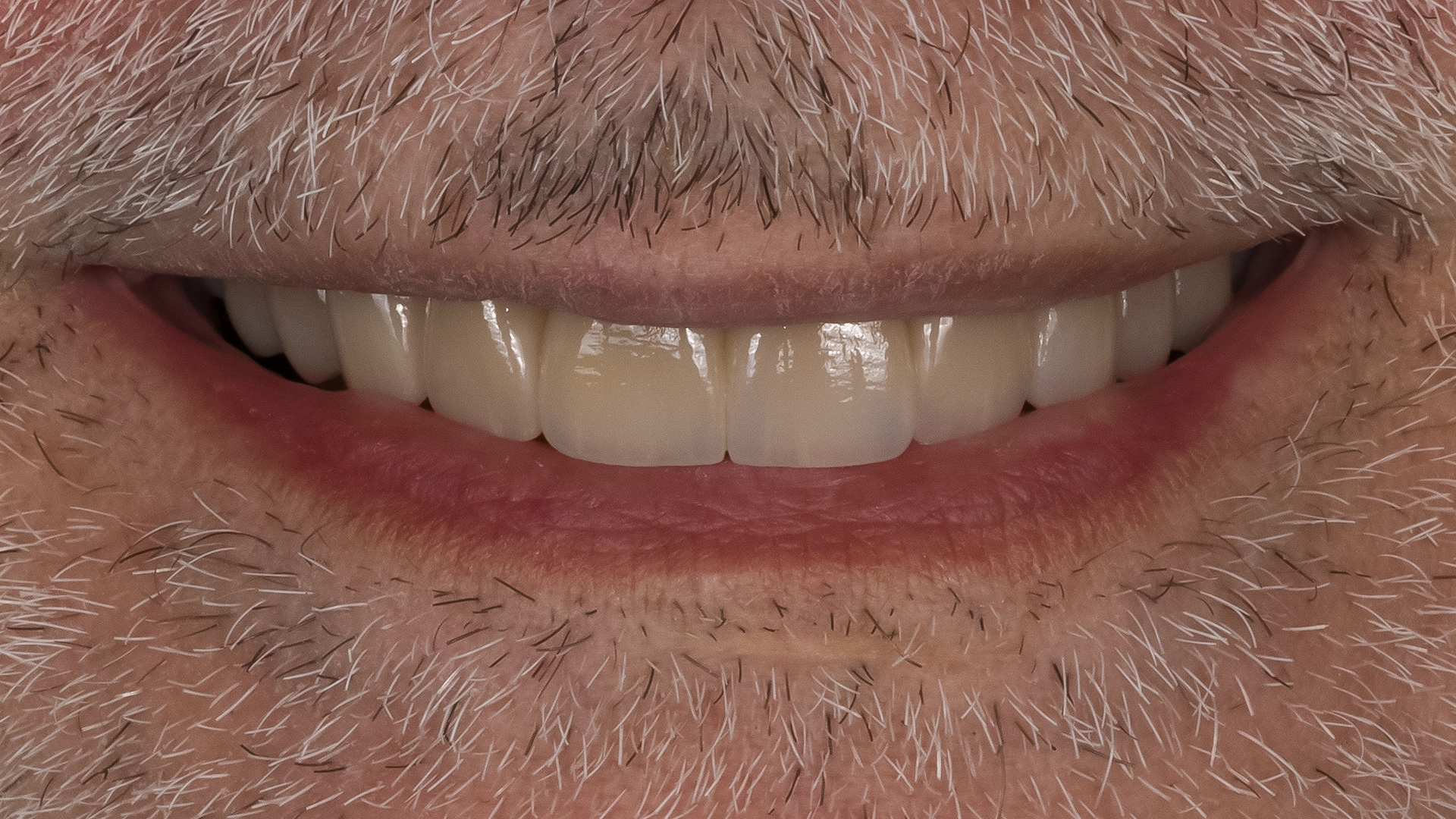
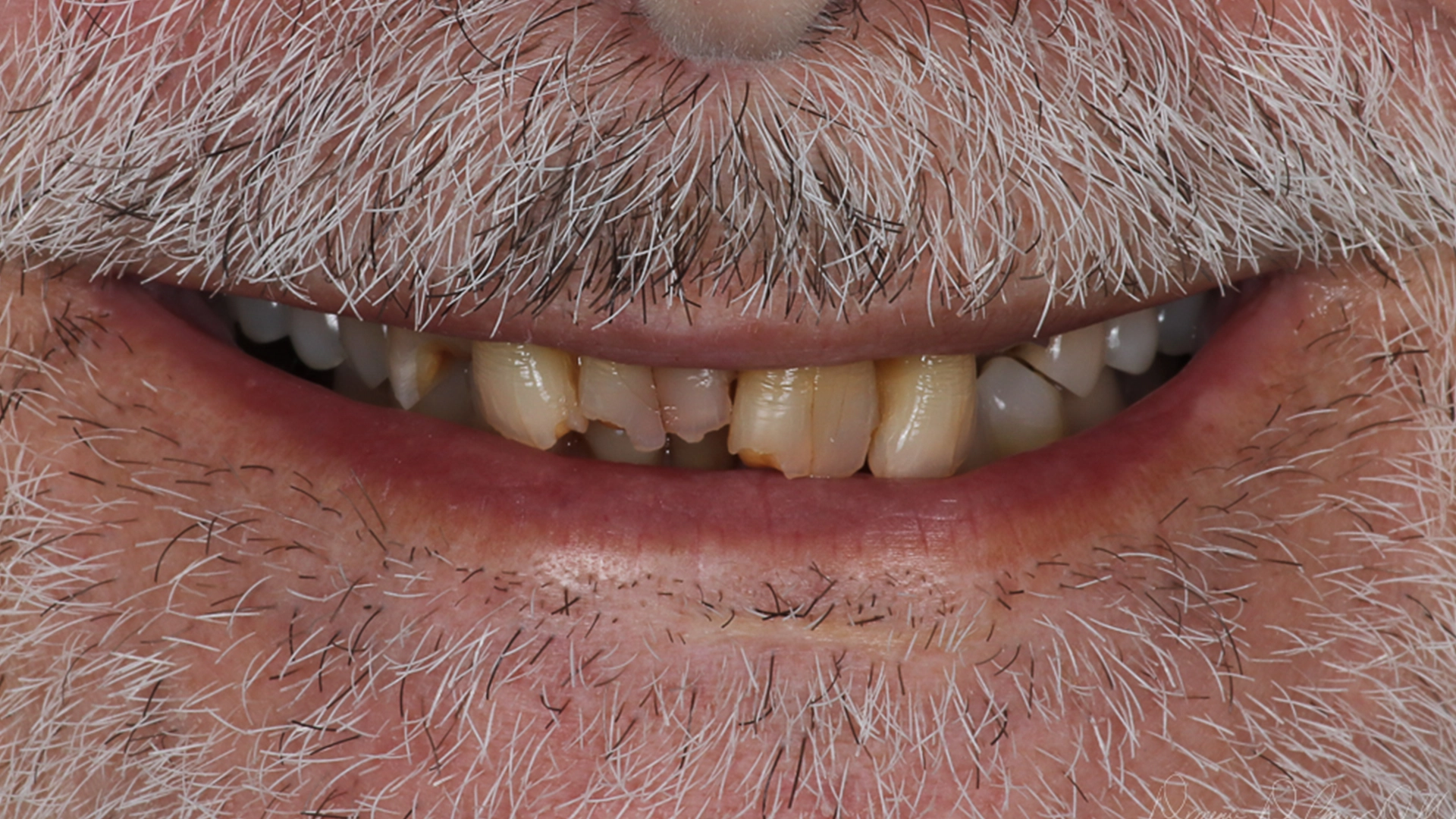
Multidisciplinary Treatment Planning and Digital Surgical Guidance
Digital planning helps the dental team evaluate implant position in relation to the final replacement tooth, available bone, and nearby anatomical structures. A surgical guide can then help transfer the planned position to the procedure.
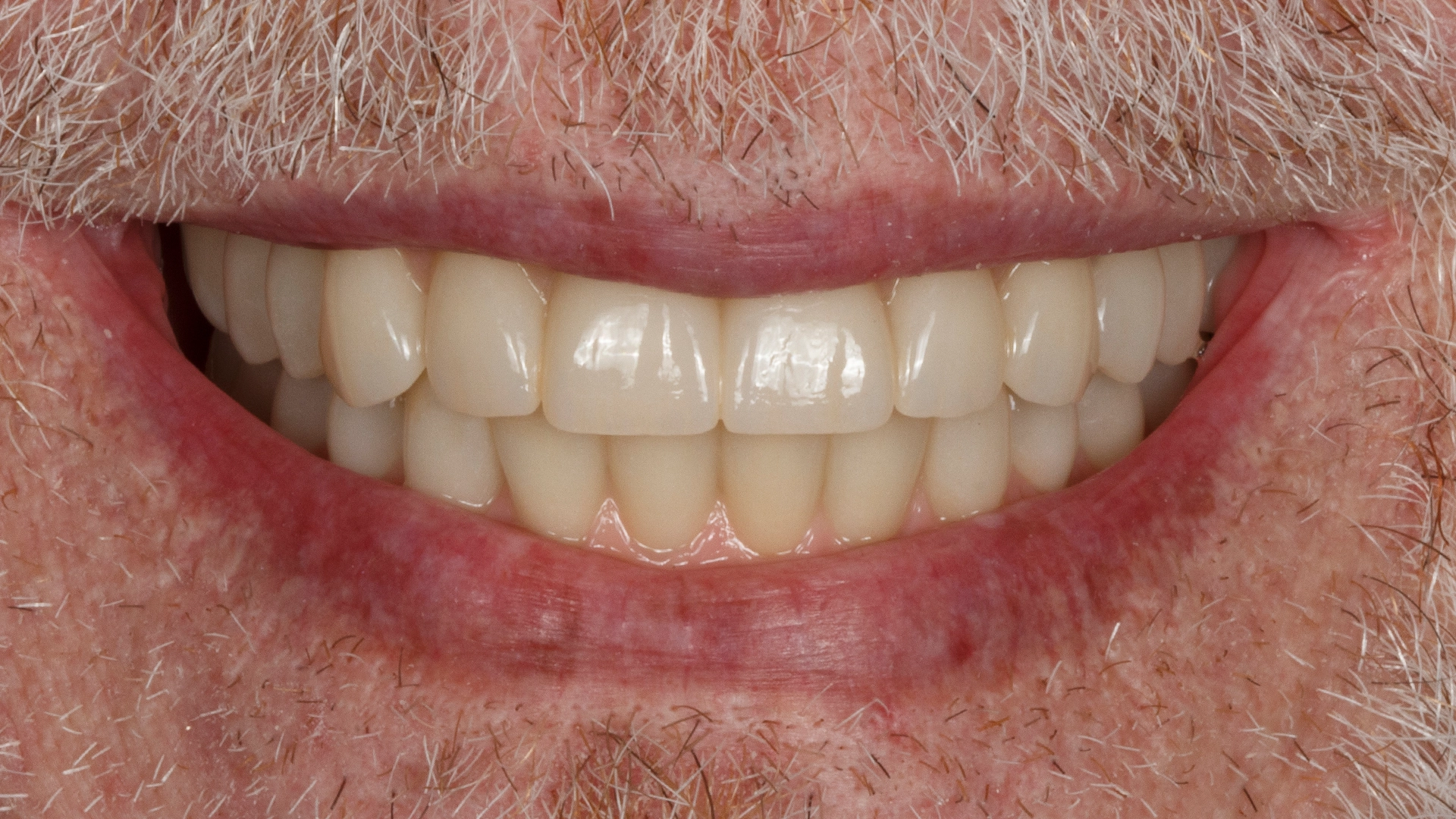
Planning also involves considering the final crown, bite, surrounding teeth, and gum tissues. Where appropriate, coordination across the stages of treatment helps keep the surgical and restorative goals aligned.
Discuss Your Tooth Replacement Options with a Specialist
A missing tooth does not automatically mean you need an implant. The right decision depends on your oral health, the condition of nearby teeth, your bone structure, and the benefits and limitations of each available option.
Schedule a Clinical Assessment at D’Amico Dental Care to Determine the Right Approach
An assessment at D’Amico Dental Care in Wayland or Watertown can help establish whether an implant is suitable for your situation or whether a bridge or partial denture deserves consideration.
Bring your questions about healing, maintenance, treatment time, and total cost. The goal is to understand your options and their implications before choosing a treatment.
Schedule a clinical assessment to discuss your missing tooth, review the available replacement options, and develop a plan that reflects your dental needs and priorities.
Frequently Asked Questions About Dental Implants
1. Do I Really Need a Dental Implant If I Have a Missing Tooth?
Not necessarily. A dental implant is one way to replace a missing tooth, but a dental bridge or partial denture may also be suitable. The right choice depends on the location of the gap, the health of your remaining teeth and gums, your jawbone condition, and your long-term goals. In some cases, leaving the space untreated may be reasonable. A dental assessment can help you understand the benefits and limitations of each option before deciding.
2. What Happens If I Leave a Missing Tooth Untreated?
The effects depend on which tooth is missing and the condition of your bite. Over time, nearby teeth may shift into the space, and the opposing tooth may move toward it. Changes in chewing function or bite alignment may also occur. Bone in the area can gradually shrink after tooth loss. However, these changes do not happen at the same rate in every patient. Your dentist can assess whether replacing the tooth is advisable or whether monitoring the gap is appropriate.
3. How Do I Know If I Have Enough Bone for a Dental Implant?
A clinical examination helps assess your gums, remaining teeth, and the area where the implant would be placed. When indicated, a 3D cone-beam CT (CBCT) scan can show the bone’s height and width and the position of nearby anatomical structures. If there is not enough bone, bone grafting may be an option. Whether additional treatment is needed depends on your individual anatomy and the proposed implant position.
4. Is a Dental Implant Better Than a Bridge or Partial Denture?
No single option is best for every patient. An implant is supported by the jawbone and usually does not require reshaping healthy neighboring teeth. A conventional bridge relies on supporting teeth, which may need preparation. A partial denture is removable and may be appropriate when replacing one or several missing teeth. Your dentist should compare treatment time, initial and long-term costs, maintenance, effects on surrounding teeth, and suitability for your oral health before recommending an option.
5. How Long Does Dental Implant Treatment Take, and When Can I Get My New Tooth?
Treatment time varies according to bone quality, healing, implant stability, and whether additional procedures such as bone grafting are needed. Some patients may qualify for a temporary tooth during treatment, while others need to wait before receiving their final crown. A temporary restoration is not appropriate in every case. Your dentist can explain the expected stages, when the implant may be ready for its final restoration, and what could affect the timeline.
6. Do Medical Conditions or Smoking Affect Dental Implant Success?
Yes, certain factors can influence healing and the long-term health of an implant. Poorly controlled diabetes, active gum disease, smoking, some medications, and conditions affecting bone healing may increase the risk of complications. These factors do not automatically mean you cannot have an implant. Your dentist needs to review your medical history, medications, gum health, and smoking habits to determine whether additional precautions or treatment are advisable.
7. How Much Does a Dental Implant Cost, and What Should the Quote Include?
The total cost depends on the complexity of your case and the components and procedures required. Ask whether the quote includes the initial assessment, necessary imaging, implant placement, abutment, final crown, temporary restoration when appropriate, and follow-up appointments. Bone grafting or other additional procedures may involve separate costs. Comparing complete treatment plans, rather than advertised starting prices alone, helps you understand the likely total expense and avoid unexpected costs.
8. Do You See Patients from Wayland, Watertown, and Nearby Massachusetts Communities for Dental Implant Treatment?
D’Amico Dental Care serves patients seeking dental care in the Wayland and Watertown areas. Depending on location and individual preferences, people from nearby communities such as Wellesley, Weston, Sudbury, Natick, Newton, Waltham, Belmont, and Cambridge may also consider an assessment at the practice. If you are comparing dental implant options near these communities, a clinical consultation can help you understand your suitability for treatment, the available alternatives, and the expected costs and timeline.