Quick Summary
- Dental implant healing happens in 4 distinct stages, from the first 24 hours to your final crown.
- “Healing” isn’t just the absence of pain. It’s the biological fusion of implant and bone, called osseointegration.
- Smoking, low bone density, and poor aftercare can delay your results by months.
- D’Amico Dental Care combines 3D imaging, surgical guides, and personalized aftercare to help patients heal faster and more predictably.
- Your next step is simple: a consultation that removes the guesswork.
Book Your Personal Implant Recovery Consultation Today
Book your consultation at D’Amico Dental Care in Wayland & Watertown MA — and discover the safest, most predictable path to a healthy, lasting smile.
[email protected]Your Guide to Dental Implant Recovery: The D’Amico Dental Care in Wayland & Watertown MA Protocol for a Perfect Smile
The 4 Critical Stages of Dental Implants Healing (The Reality Check)
If you are nervous about healing, you are not overreacting. Most patients are not afraid of the dental implant itself. They are afraid of the unknown. What will it feel like? How long will it take? What if something goes wrong?
The good news is that healing follows a pattern. When you understand the pattern, fear usually drops. Confidence rises.
Stage 1: The First 24 Hours – Setting the Foundation for Success
The first day feels big emotionally. Many patients come in expecting severe pain, then leave saying, “That was much easier than I imagined.”
In the first 24 hours, your body starts forming a blood clot and launching the earliest repair signals. This first stage protects the surgical site and sets the tone for everything that follows.
What matters most on day one:
- Rest and avoid unnecessary activity
- Use cold compresses to control swelling
- Follow medication instructions exactly
- Avoid smoking, alcohol, and forceful rinsing
- Eat soft, cool foods if advised
Question: Is pain after implant surgery normal?
Answer: Mild to moderate discomfort is common. Severe or increasing pain is not normal and should be checked quickly.
At D’Amico Dental Care, the goal is not just successful surgery. It is low-trauma surgery. Less stress on the gum and bone can mean a calmer first day. And that leads directly into the week patients worry about most.
Stage 2: The First Week – When Swelling Meets Healing
This is the phase where people start looking closely in the mirror and second-guessing every sensation. A little swelling. Some tenderness. A strange feeling when chewing on the other side. It can trigger anxiety fast.
In most cases, swelling peaks around day two or three, then settles. The soft tissue begins to close. The body keeps repairing in the background, even if you do not see much from the outside.
A smoother first week usually depends on a few simple habits:
- Eating soft foods that do not irritate the area
- Cleaning gently, exactly as instructed
- Keeping pressure away from the implant site
- Avoiding smoking and vaping
- Contacting the clinic early if something feels unusual
Imagine going through this week and realizing each day feels a little easier. You sleep better. You speak more naturally. Your fear starts to loosen. That shift matters because healing is physical, but reassurance is biological too.
Stage 3: Osseointegration – The Magic 3 to 6 Months (How D’Amico Dental Care Speeds This Up)
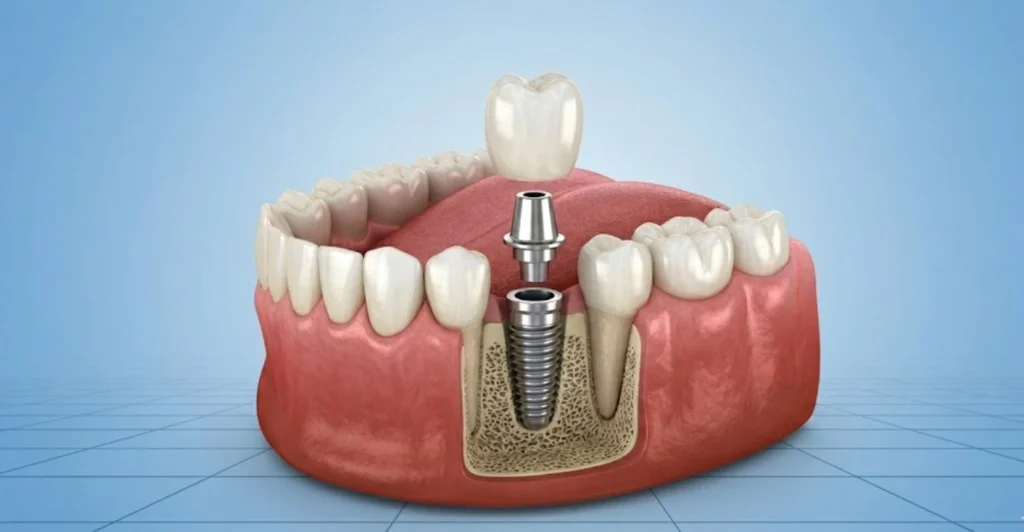
This is the hidden stage, and it is the one that truly decides long-term implant success. Osseointegration is the process where the titanium implant surface bonds with your jawbone. It is not guesswork. It is a measurable biological event.
Question: How long does a dental implant take to heal fully?
Answer: Gum healing begins within days, but full bone integration usually takes 3 to 6 months, depending on bone quality, general health, bite forces, and surgical precision.
Here is the blue ocean idea that makes this page different. Most people think healing starts after surgery. In reality, healing starts before surgery, with planning. Implant recovery is not just something you wait through. It is something your dentist can actively improve by reducing surgical stress, choosing the right position, protecting bone, and controlling bite load.
That is why D’Amico Dental Care uses a recovery-first philosophy. We do not ask, “Can we place the implant?” We ask, “Can this implant heal in the most stable, quiet, and predictable way possible?”
Stage 4: The Final Reveal – Placing the Final Crown at D’Amico Dental Care
This is the moment patients picture from the beginning. The implant is stable. The gum is healthy. The final crown, which is the visible artificial tooth, is ready to be placed.
The emotional change at this stage is huge. You stop thinking like a patient and start feeling like yourself again. You smile in photos. You eat without planning around the gap. You stop guarding your mouth when you laugh.
At D’Amico Dental Care, the final crown is designed to do more than fill space. It should support a healthy bite, look natural in your smile, and feel like it belongs there.
Real Patient Transformations at D’Amico Dental Care
Drag any slider to compare before & after results
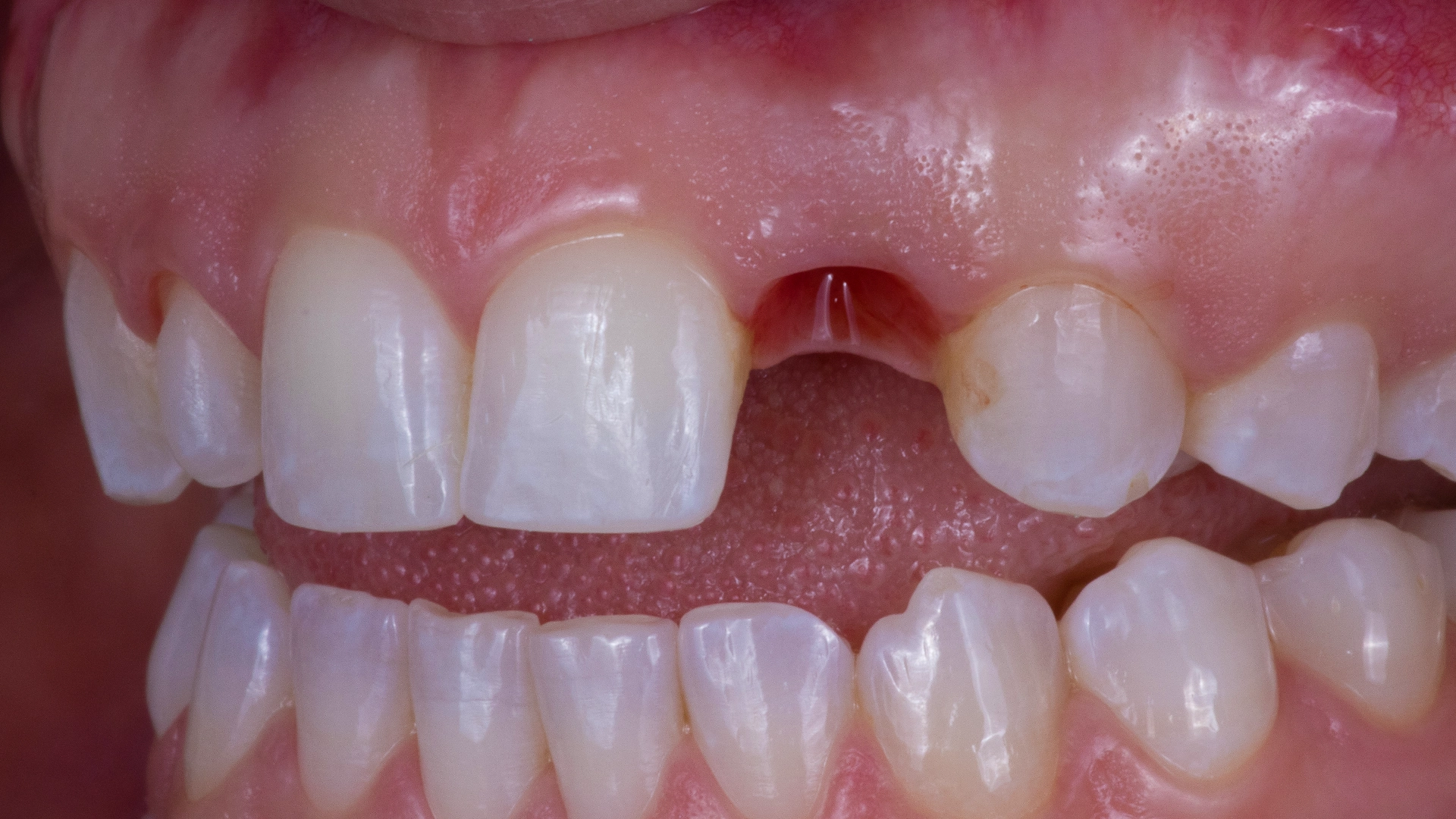
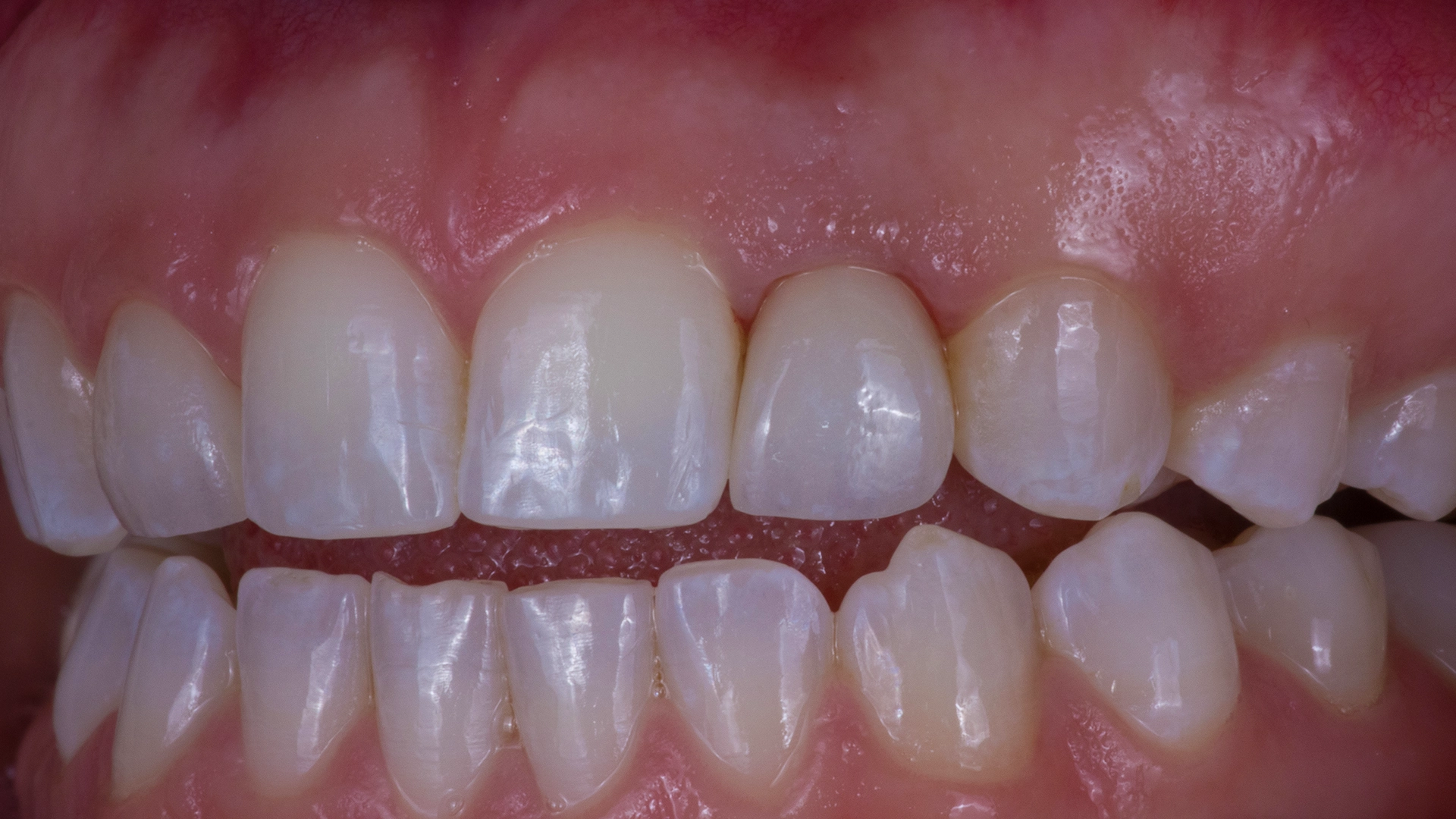
Implant Restoration Result
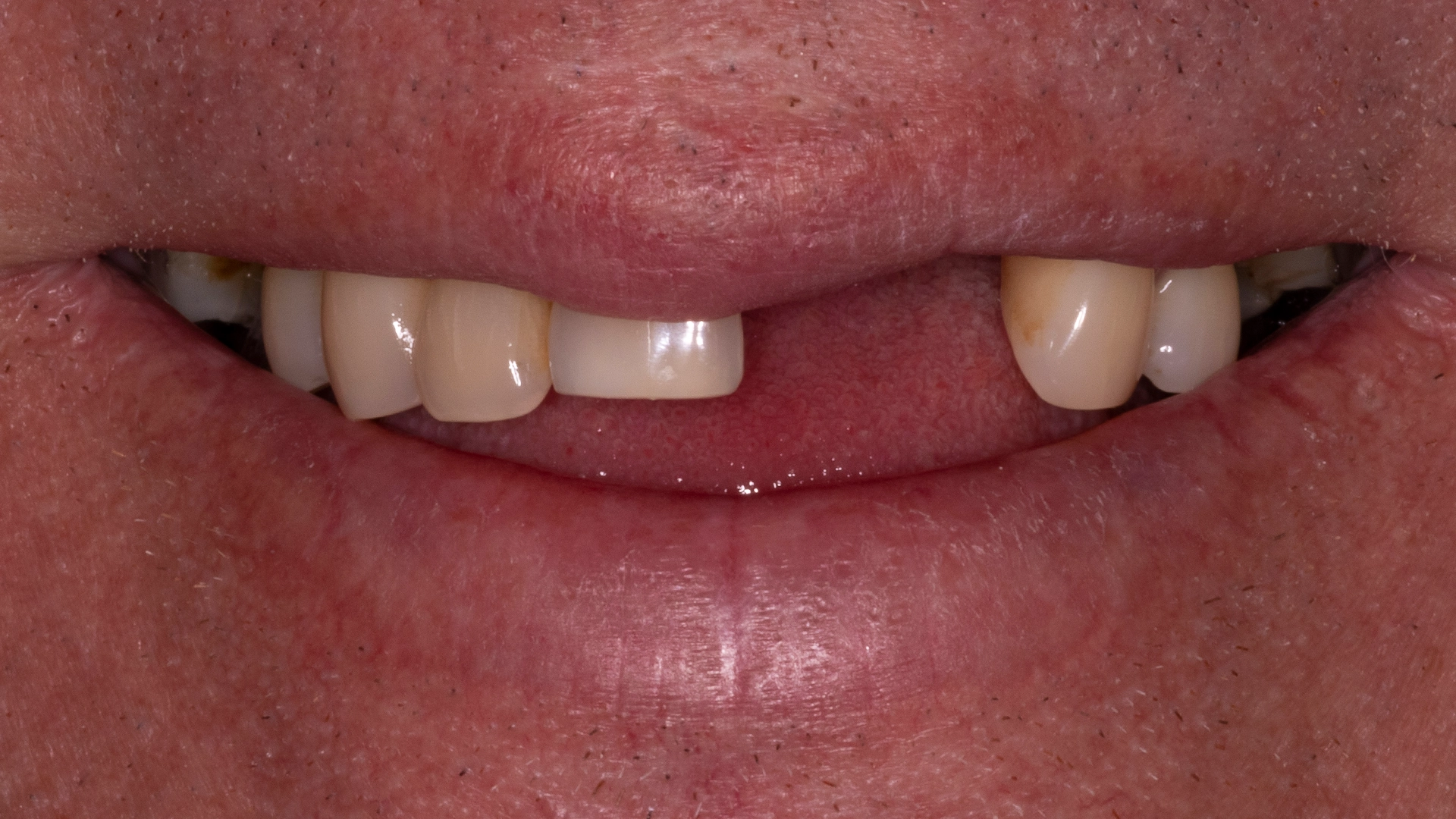
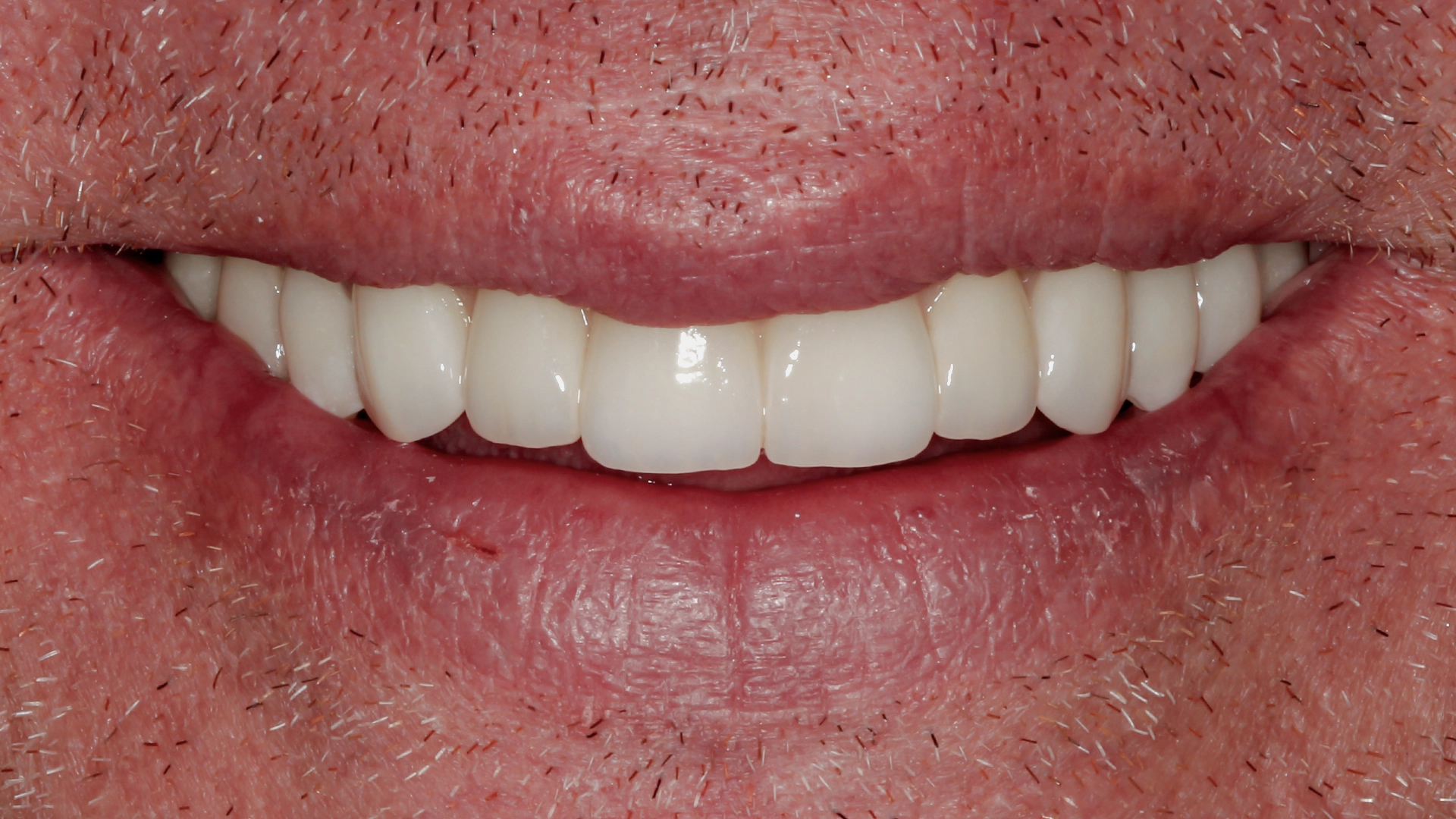
Full Smile Restoration
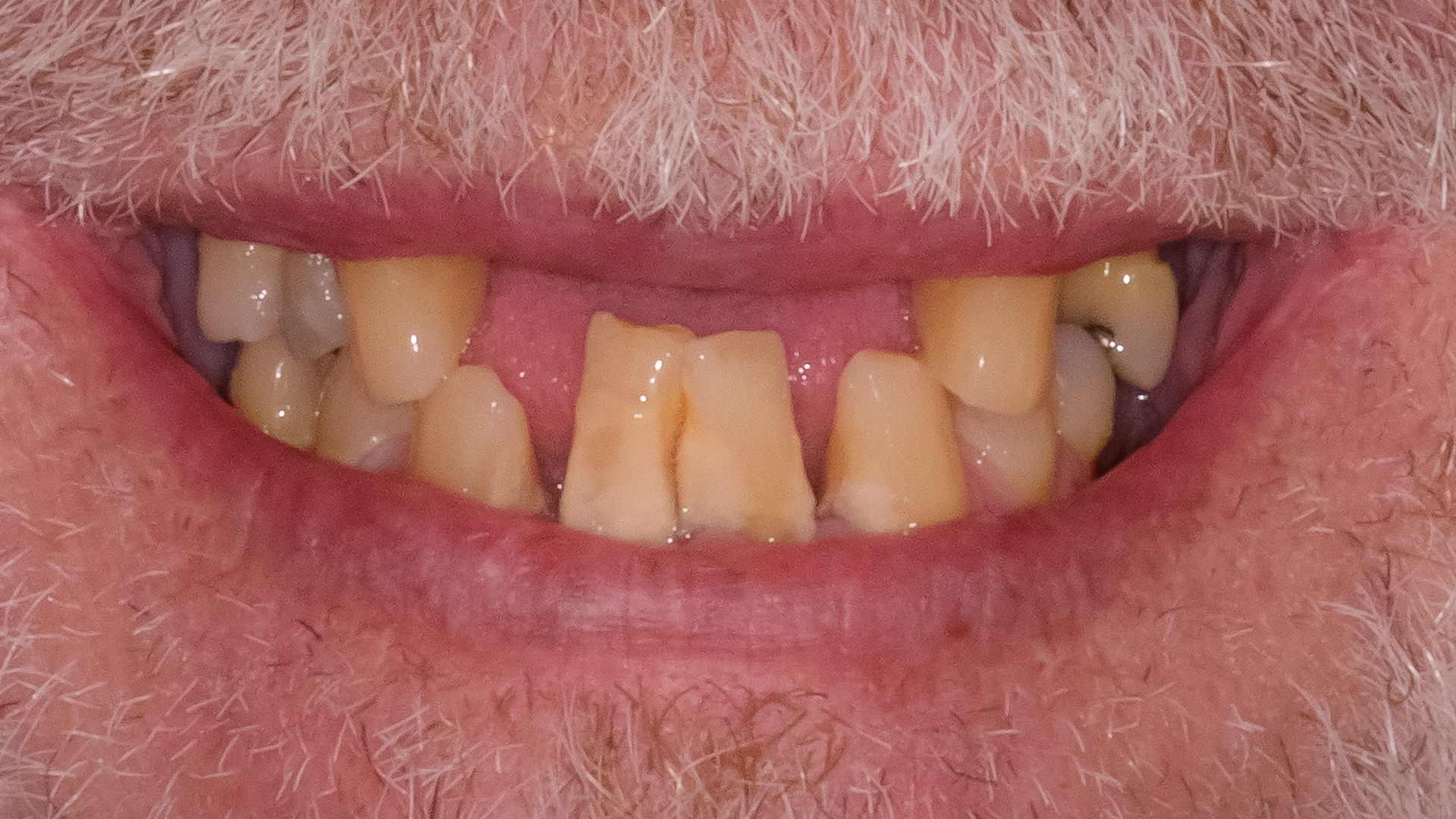
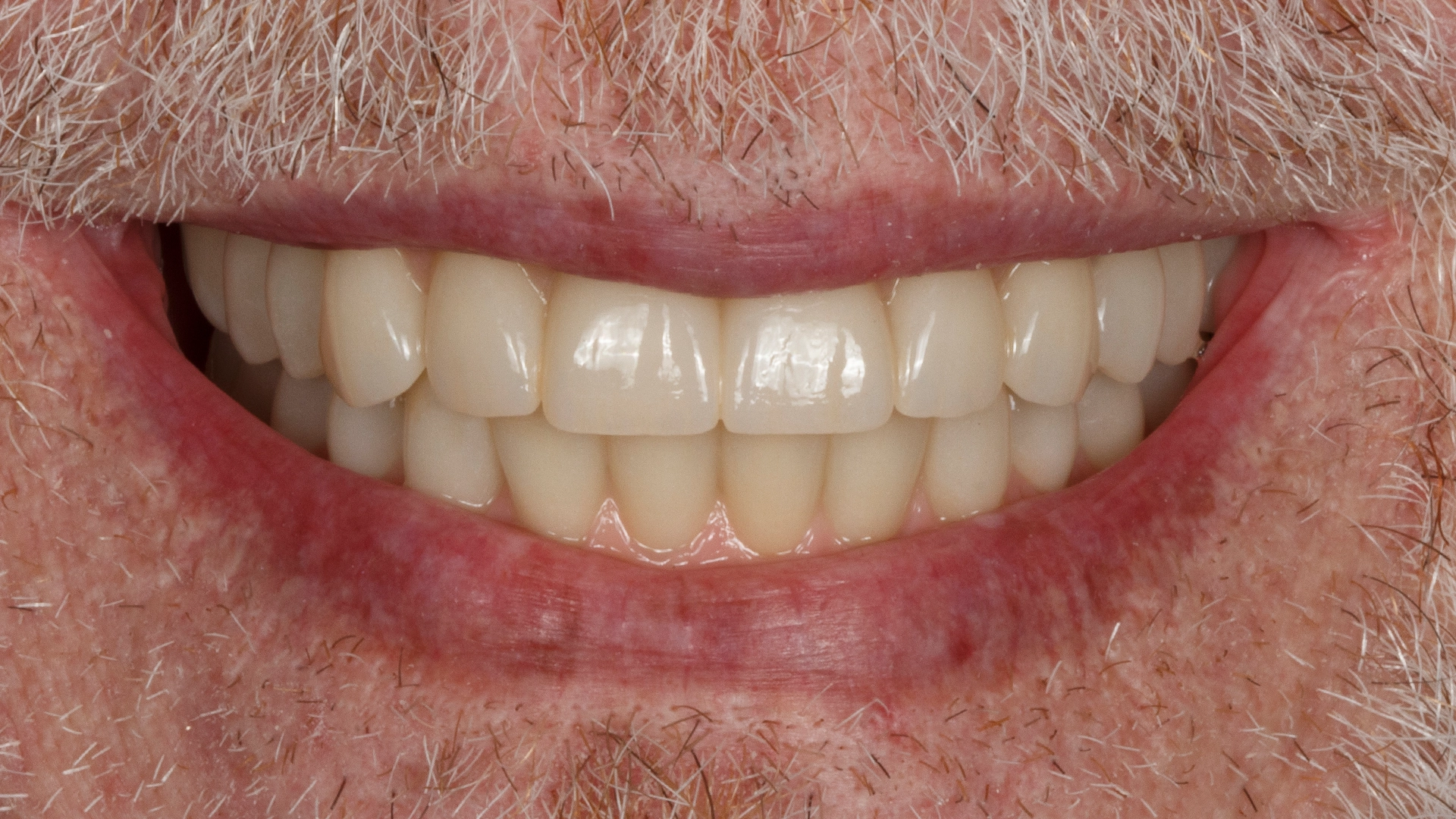
Natural Crown Result
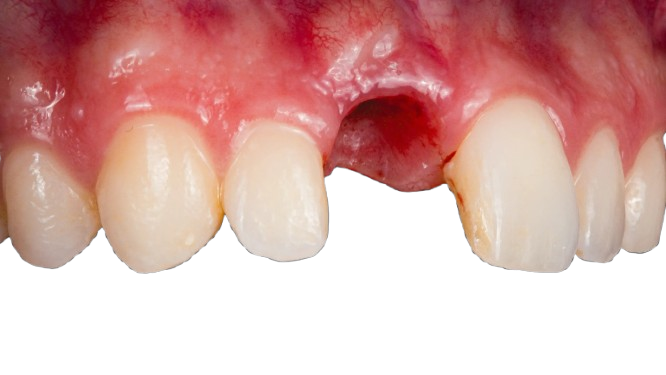
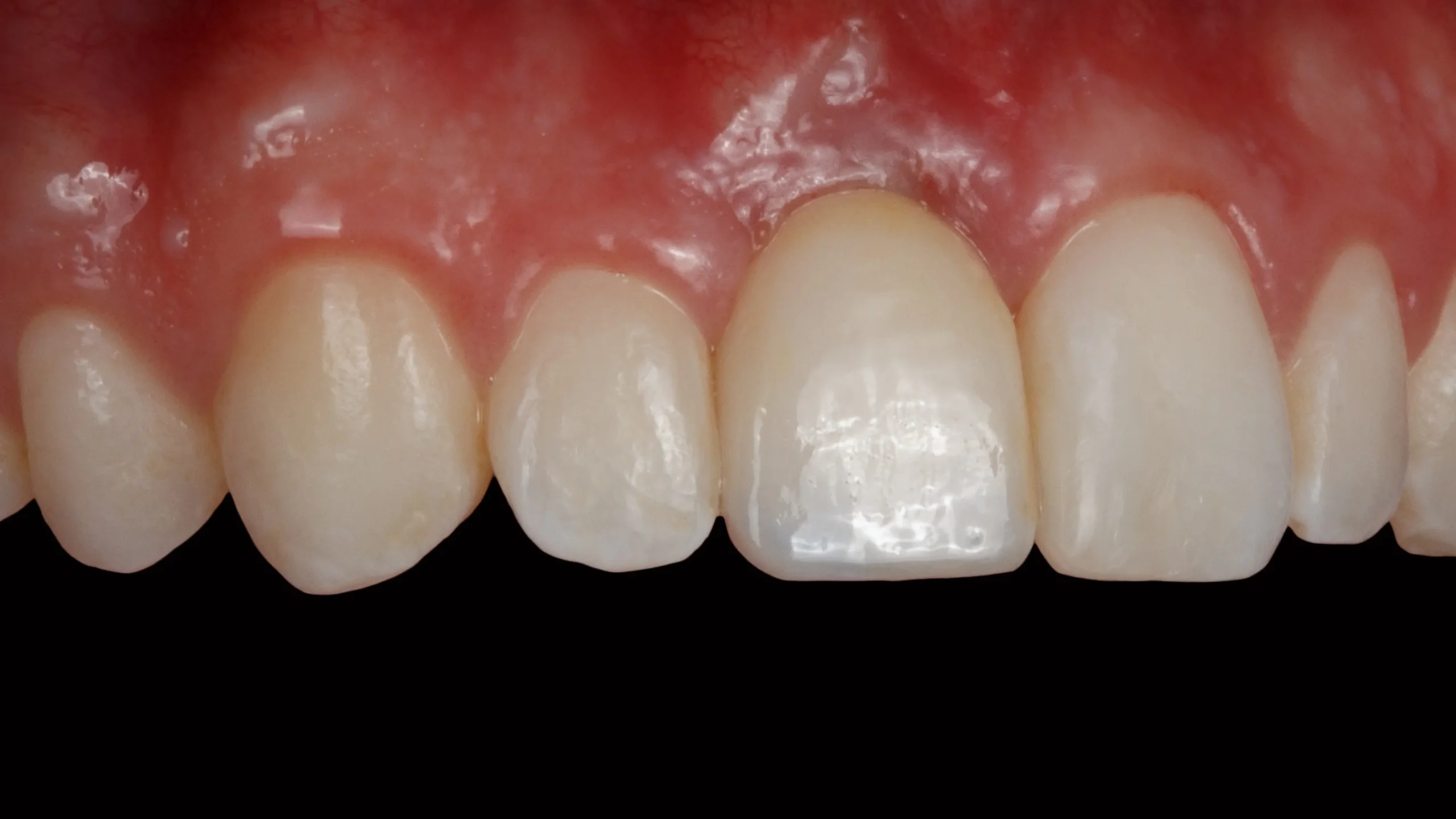
Complete Healing Outcome
Why “Healing” Means More Than Just No Pain
Many people think healing is finished when the pain is gone. That is understandable, but incomplete. True implant healing means bone stability, healthy gum tissue, controlled inflammation, and a bite that does not overload the implant.
That means success looks like this:
- The implant feels stable
- The gums are healthy and sealed around it
- The bite is balanced
- Chewing feels natural
- The result is built for long-term function
There is also a financial truth patients deserve to hear. A cheaper treatment may look attractive at first. But if weak planning leads to complications, added procedures, or implant failure, the real cost rises fast. The smart decision is often not the lowest starting fee. It is the lowest long-term biological and financial risk.
That brings up an important question. What can slow healing down?
Factors That Could Delay Your Smile: Are You at Risk?
If you are worried you may not be a “good implant patient,” that fear is more common than most clinics admit. Many people stay out of the dental chair because they assume they are too late, too complicated, or too damaged.
Often, they are wrong. Risk does not always mean no. It usually means the plan needs to be more precise.
Factors that can affect healing include:
- Smoking or vaping
- Diabetes that is not well controlled
- Low bone volume or reduced bone density
- Active gum disease
- Teeth grinding or clenching
- Poor oral hygiene during recovery
The key is not pretending risk does not exist. The key is assessing it honestly and lowering it intelligently.
Smoking, Bone Density, and Post-Op Care: What You Need to Know
Smoking reduces blood flow. Lower blood flow can slow tissue repair and increase complications. Reduced bone density can affect implant stability. Inconsistent aftercare can interrupt healing even when the surgery itself was excellent.
Question: Can smokers still get dental implants?
Answer: Yes, many can. But smoking raises the risk of slower healing and implant problems, especially in the early phase.
Question: What if my bone is weak?
Answer: You may still be a candidate. A CBCT scan, which is a 3D dental scan, helps assess bone shape, density, and whether grafting or a different strategy is needed.
Patients do not need perfection. They need an honest team that sees risk early and knows how to reduce it.
The D’Amico Dental Care Advantage: How We Redefine Implant Recovery in Wayland & Watertown MA
Most clinics market implants as a product. We frame them as a recovery system. That changes everything.
People do not really buy an implant. They buy relief from uncertainty. They buy the chance to eat, smile, speak, and live without that constant background stress. So the real value is not only the titanium fixture or ceramic crown. The real value is a smoother path from fear to confidence.
Advanced Technology: Using 3D Imaging and Surgical Guides for Faster Healing
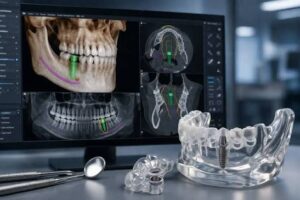
A CBCT scan gives a three-dimensional view of the jawbone, nearby nerves, sinus anatomy, and implant site. A surgical guide is a custom tool that helps place the implant in the planned position with high precision.
That precision can support healing because it may allow:
- Less unnecessary tissue trauma
- Better implant angulation
- More controlled depth and placement
- Stronger use of available bone
- Lower risk of avoidable surgical stress
This is not technology for show. It is technology used to protect biology.
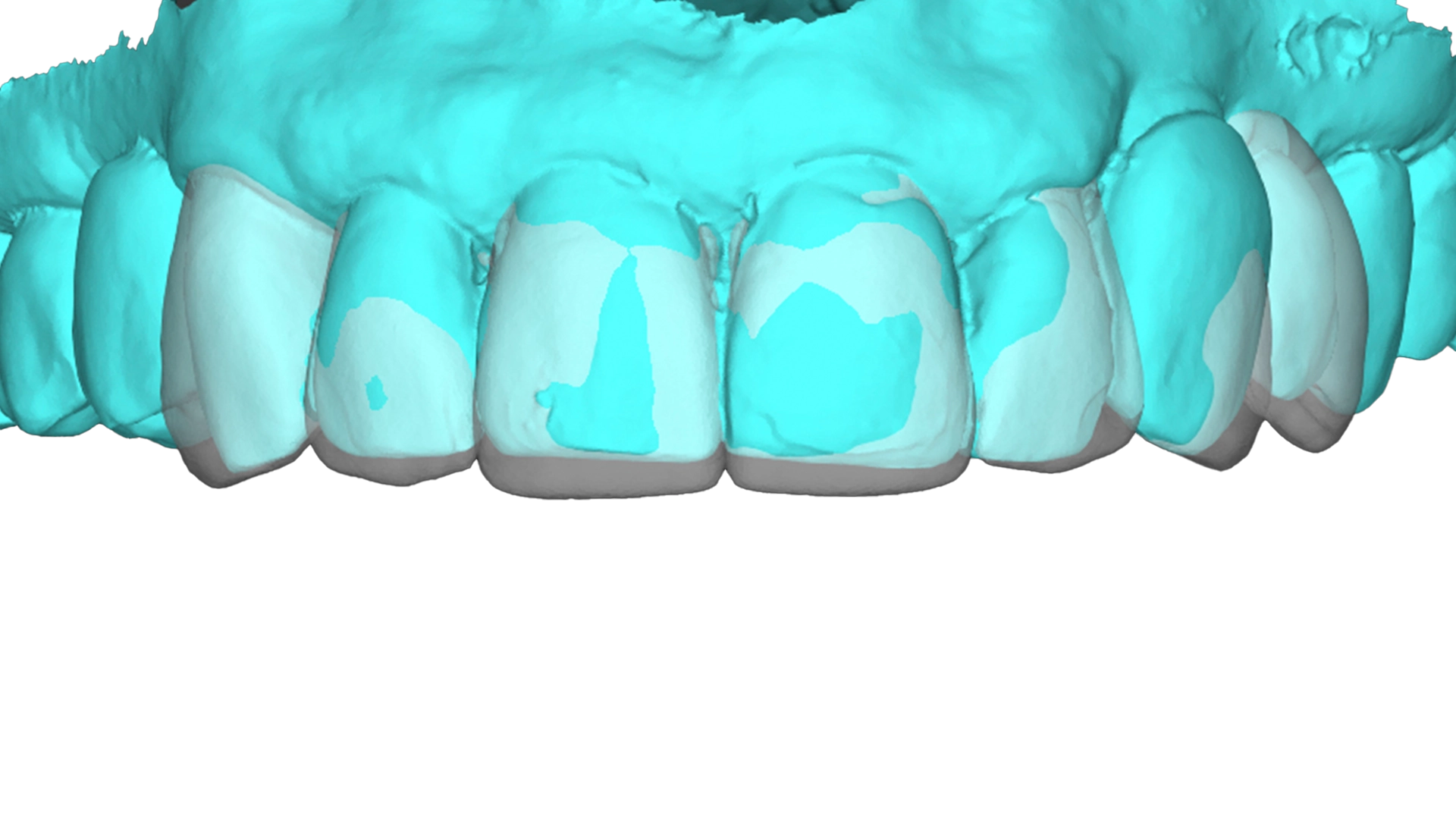
3D Digital Implant Planning
Surgical Guide in Action
Personalized Aftercare: Why Our Patients Bounce Back Sooner
The human part matters just as much as the digital part. Some patients need extra monitoring because they smoke. Others need bite protection, nutrition guidance, or reassurance after a difficult past experience.
That is why D’Amico Dental Care uses personalized aftercare, not generic discharge instructions copied onto a leaflet. You know what to expect, what is normal, what is not, and exactly when to reach us.
In our experience, patients heal better when they feel safe, informed, and supported throughout recovery.
What Is the Next Step?
Book a personal implant recovery consultation at D’Amico Dental Care in Wayland & Watertown MA. You will find out:
- Whether you are a suitable candidate
- What could affect your healing
- What timeline is realistic for your case
- Which treatment path protects your smile best
Waiting too long after tooth loss can reduce bone volume and limit future options. That is not a reason to panic. It is a reason to get clarity before the problem grows.
Ready to Start Your Healing Journey?
Book your implant consultation at D’Amico Dental Care today.
[email protected]Frequently Asked Questions About Dental Implant Healing at D’Amico Dental Care in Wayland & Watertown MA
1) How long does a dental implant take to heal completely?
Dental implant healing happens in two phases.
The gum usually starts healing within the first 1 to 2 weeks, but the deeper healing process takes longer.
The most important stage is osseointegration, which is when the titanium implant fuses with the jawbone. This usually takes 3 to 6 months. In some patients, healing may be faster or slower depending on:
- Bone quality and bone density
- Smoking habits
- General health, including diabetes
- Oral hygiene
- Surgical precision
- Whether bone grafting was needed
A patient may feel comfortable long before the implant is fully integrated. That is why follow-up matters even when pain is minimal.
2) Is pain after dental implant surgery normal?
Yes, mild to moderate discomfort is normal after dental implant placement. Most patients describe it as manageable and often less intense than they expected.
Common short-term symptoms include:
- Mild pain or tenderness
- Swelling
- Slight bruising
- Pressure around the implant area
- Minor bleeding during the first hours
What is not normal is severe pain that keeps getting worse, heavy bleeding, pus, fever, or swelling that increases after several days. These signs should be checked by the clinic as soon as possible.
For many patients, the biggest surprise is not the pain itself. It is how much easier recovery feels when the surgery is well planned and aftercare is clear.
3) What is osseointegration, and why is it so important?
Osseointegration is the biological process in which the dental implant becomes firmly anchored to the jawbone. This happens when bone cells grow around the implant surface and create a stable connection.
This stage is critical because it determines whether the implant can support a crown safely over the long term.
Without proper osseointegration, an implant may feel loose, fail under pressure, or require removal. That is why implant success depends on more than just placing the implant. It depends on:
- Precise implant position
- Healthy bone support
- Controlled bite forces
- Good healing conditions after surgery
In simple terms, osseointegration is the hidden foundation behind a strong, lasting smile.
4) What can delay dental implant healing?
Several factors can slow down healing or increase the risk of complications. The most common include:
- Smoking or vaping
- Uncontrolled diabetes
- Poor oral hygiene
- Low bone density or low bone volume
- Gum disease
- Teeth grinding or clenching
- Excessive pressure on the implant too early
- Ignoring post-operative instructions
A delayed healing process does not always mean treatment will fail. It often means the implant case needs more careful planning, closer follow-up, or supportive treatment such as bone grafting or bite protection.
Patients should not assume they are “not suitable” without a proper clinical assessment.
5) Can smokers get dental implants successfully?
Yes, smokers can often still get dental implants, but the risks are higher. Smoking reduces blood flow to the gums and bone, which can interfere with healing and osseointegration.
This means smokers may face:
- Slower tissue healing
- Higher infection risk
- Greater chance of implant failure
- More inflammation around the implant
Patients who stop smoking, even temporarily before and after surgery, can improve their healing conditions significantly. If quitting fully is not realistic right away, reducing smoking during the healing phase can still be beneficial.
The key is honesty. A clinic can only create a safe treatment plan if it understands the real risk factors.
6) Can a dental implant fail even if it does not hurt?
Yes. Lack of pain does not always mean everything is healthy.
An implant problem can sometimes develop quietly, especially in the early or middle stages of healing. That is why dentists look at more than discomfort. They also assess:
- Implant stability
- Gum health
- Bone response on imaging
- Bite balance
- Signs of inflammation
This is one of the most misunderstood parts of implant treatment. Pain is only one signal. Proper healing means the implant is biologically stable, not just comfortable.
That is why regular follow-up visits are essential, even when the patient feels fine.
7) What should I avoid after dental implant surgery?
The first days after surgery are important because the implant site is still vulnerable. Patients are usually advised to avoid anything that disrupts clot formation, increases pressure, or slows tissue repair.
Common things to avoid include:
- Smoking and vaping
- Drinking through a straw
- Forceful rinsing
- Hard or crunchy foods
- Hot foods and hot drinks in the first phase
- Intense physical exercise too soon
- Touching the site with fingers or tongue
- Skipping medication or cleaning instructions
Following these instructions protects early healing and lowers the risk of avoidable complications.
8) How do I know if my dental implant is healing properly?
A healing implant usually follows a predictable pattern. Early mild swelling and tenderness improve gradually. The gums begin to look calmer. Daily function becomes easier.
Signs that healing is progressing well may include:
- Swelling peaks early and then decreases
- Pain becomes less noticeable day by day
- No unusual discharge or bad taste
- The gum tissue starts to look healthier
- The implant area feels stable
Warning signs that need professional review include:
- Worsening pain
- Increasing swelling after several days
- Persistent bleeding
- Pus or discharge
- Fever
- A loose feeling in the implant area
Patients should never feel embarrassed about asking for a review. Early reassurance is always better than delayed intervention.
9) Do dental implants heal faster with guided surgery and 3D imaging?
They can, in many cases, heal more predictably. Guided surgery and CBCT 3D imaging help the dentist plan implant placement with greater precision before treatment begins.
This can support healing by reducing unnecessary tissue trauma and improving implant positioning in available bone.
Potential benefits include:
- More accurate implant placement
- Better protection of nearby structures
- Lower surgical stress
- Improved use of bone volume
- More controlled recovery conditions
Technology alone does not guarantee success, but when used correctly, it can improve the biological conditions that support healing.
10) What happens if I wait too long after losing a tooth before getting an implant?
Waiting too long after tooth loss can lead to bone loss in the jaw, shifting teeth, bite imbalance, and more complex treatment later.
When a tooth is missing, the jawbone in that area no longer receives normal chewing stimulation. Over time, the bone can shrink. This may mean:
- Less bone available for implant placement
- Greater need for bone grafting
- More treatment steps
- Longer treatment time
- Higher overall cost in the future
This does not mean every delayed case becomes difficult. But early assessment usually preserves more options and makes treatment planning easier.
11) Is the healing time longer if I need a bone graft?
Often, yes. A bone graft is used when the jaw does not have enough bone volume or density to support an implant safely.
Depending on the case, the graft may be done:
- Before implant placement
- At the same time as implant placement
- As part of a staged treatment plan
Because grafted bone needs time to mature, the overall timeline may be longer. However, this extra healing time is often what makes the implant stronger and safer in the long run.
Patients sometimes see bone grafting as a setback. In reality, it is often a protective step that improves the final outcome.
12) When can I return to work or normal daily activities after a dental implant?
Many patients return to desk work or light activity within 24 to 48 hours, depending on the complexity of the surgery and how they feel.
However, patients should be more cautious with:
- Heavy exercise
- Physically demanding work
- Pressure on the implant area
- Irregular sleep or stress
- Smoking and alcohol use
Recovery is not only about “feeling okay.” It is about protecting the implant during the early healing window. A patient may feel normal before the tissues are ready for full strain.