
Quick Summary
If you lost a tooth, time matters more than most people realize.
- The best time for a dental implant is within the first 3 months after tooth loss.
- Waiting 6 to 12 months often leads to jawbone shrinkage and shifting teeth.
- After 2 years, many patients need bone grafting before an implant becomes possible.
- Early treatment protects your facial structure, bite alignment, and long term oral health.
The good news: modern implant planning at D’Amico Dental Care in Wayland & Watertown MA allows many patients to restore their smile safely and comfortably.
Ready to Explore Your Options?
Book your consultation at D’Amico Dental Care today — and get a clear picture of your options.
[email protected]The Dental Implant Timeline: Is Your Jawbone Fading While You Wait?
Losing a tooth rarely feels urgent.
Most people think: “I will fix it later.”
Life gets busy. Work, family, meetings. The empty space does not hurt, so it feels safe to postpone.
But something invisible begins almost immediately.
Your jawbone is living tissue. It survives because teeth stimulate it during chewing. When a tooth disappears, that stimulation disappears too.
The bone starts shrinking.
Dentists call this bone resorption. The body simply removes bone it no longer needs.
Within months, the foundation that supports implants begins to change shape.
Imagine planting a tree. If the soil erodes before planting, the tree becomes harder to stabilize.
Dental implants work the same way. The earlier the foundation is preserved, the easier and more predictable the treatment becomes.
This raises a question many patients ask during consultations.
How long can you realistically wait before it becomes complicated?
The answer lies in what we call the Golden Window.
The “Golden Window”: How Long is Too Long to Wait?
Think of the jawbone like soil in a garden.
If a plant is removed, the soil slowly compacts and loses structure. If you replant quickly, the soil still supports the roots. Wait too long, and preparation becomes harder.
Dental implants work the same way.
A dental implant is a medical grade titanium root placed into the jawbone to replace a missing tooth. The implant integrates with the bone through a biological process called osseointegration.
For osseointegration to succeed easily, the bone must still have sufficient volume and density.
That is why timing matters.
The First 3 Months: The Ideal Time for an Implant at D’Amico Dental Care
This is the biological sweet spot.
During the first three months after tooth loss, the jawbone is still relatively stable. The structure that once held the tooth root is largely intact.
This makes treatment simpler.
Benefits of early implant placement include:
- Stronger bone support for the implant
- Shorter treatment timelines
- Lower chance of needing bone grafting
- More predictable long term stability
Many patients are surprised to learn that modern digital dentistry often allows implant placement soon after extraction.
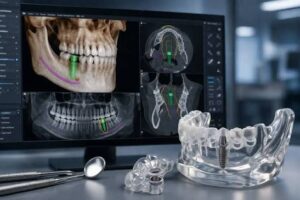
At D’Amico Dental Care, we use 3D CBCT imaging and digital implant planning to evaluate bone volume with sub millimeter precision.
Patients often say the same thing afterward:
“I wish I knew it could be this straightforward.”
But what happens if life delays the decision?
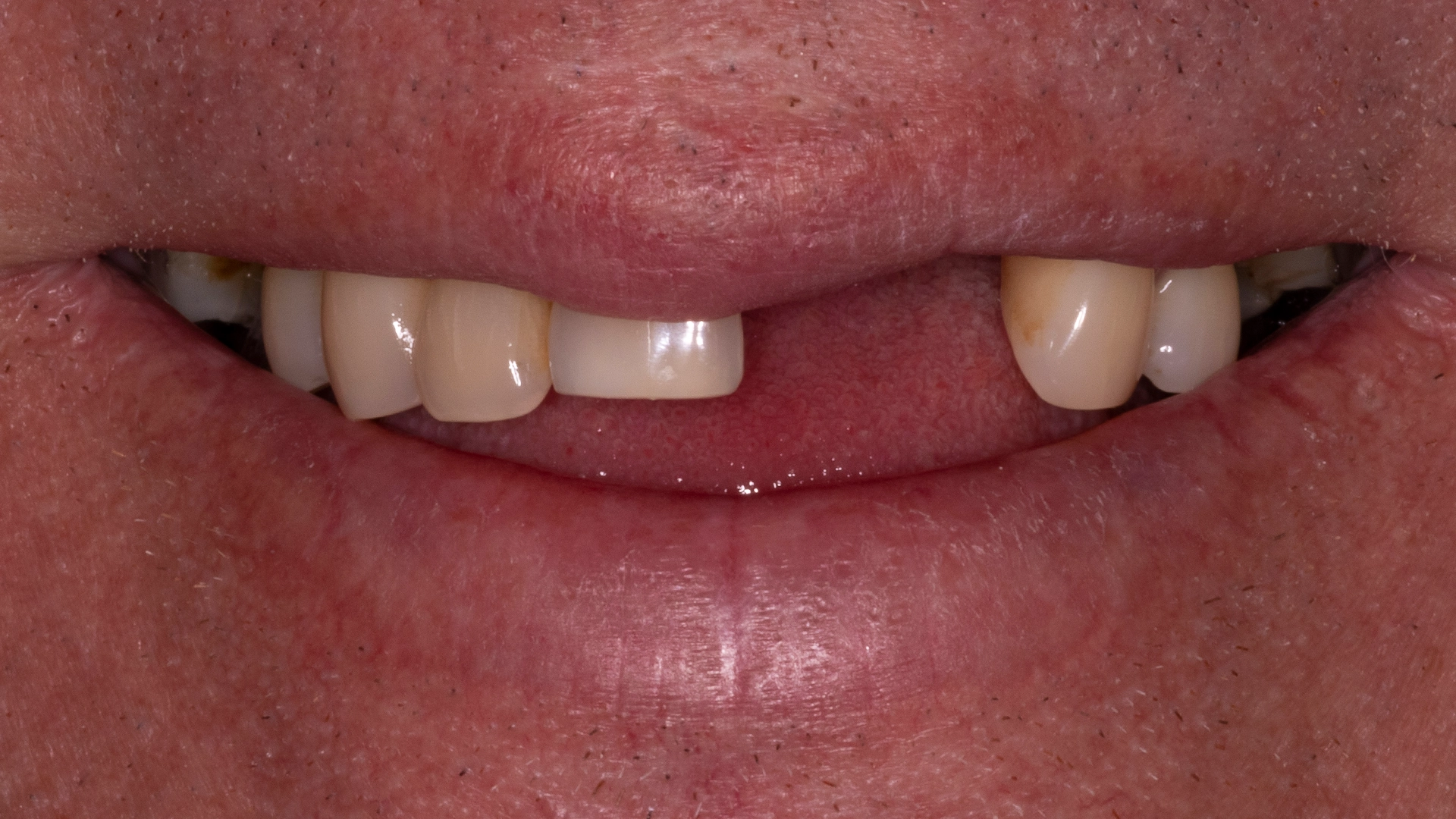
Before
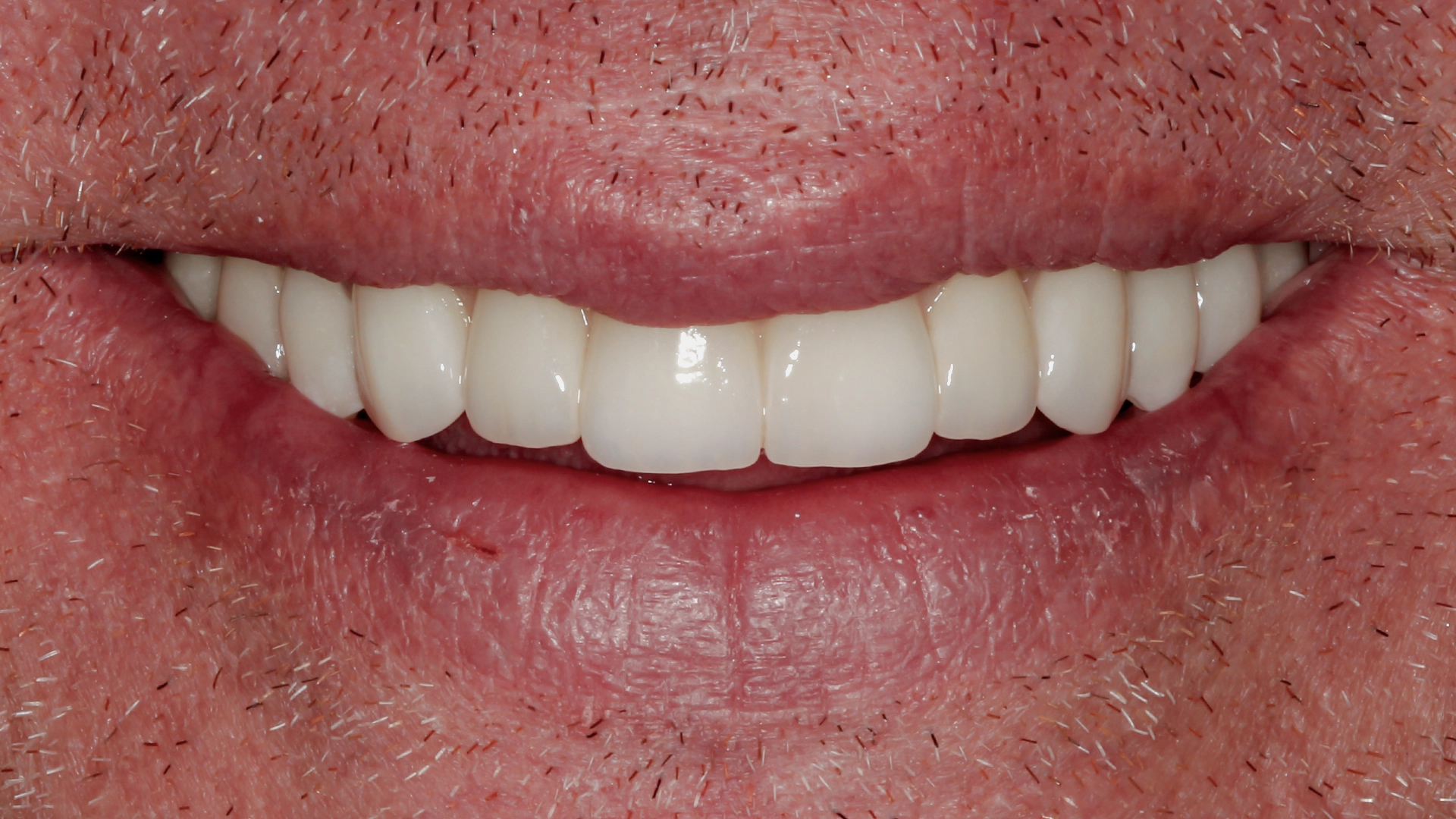
After
6 to 12 Months: When Bone Resorption Starts Changing Your Face Shape
Around the six month mark, the jawbone begins to change more noticeably.
Research in implant dentistry shows that up to 40 percent of bone width can be lost within the first year after tooth extraction.
You may notice subtle signs:
- Nearby teeth start leaning into the gap
- Food traps more often between teeth
- Chewing feels uneven
- Your smile line looks slightly different
The deeper change happens in the facial support structure.
Your teeth and jawbone support the lower half of your face. When bone shrinks, the skin above it loses support.
This is why dentists sometimes refer to missing teeth as accelerated facial aging.
Patients often describe the moment they realize something changed.
Imagine looking at a photo from two years ago and wondering why your smile looked fuller.
It is not just cosmetic. It is structural.
The longer the delay, the more the treatment plan may need to adapt.
After 2 Years: Why You Might Need Costly Bone Grafts (And How to Avoid Them)
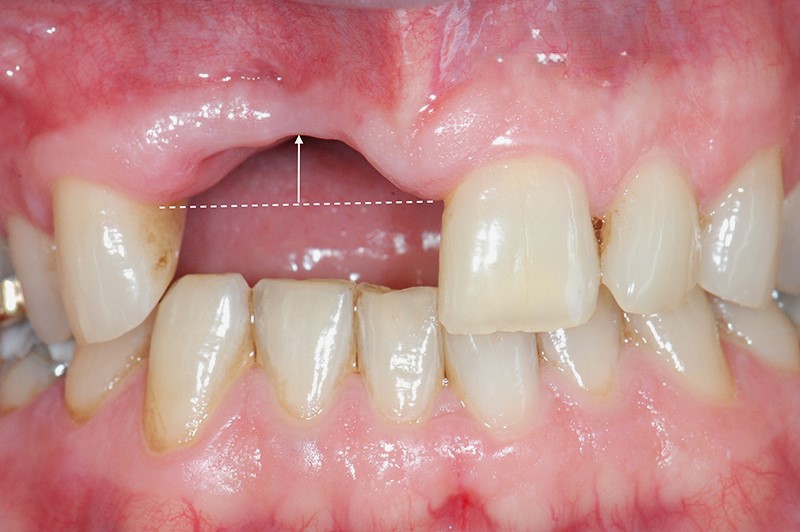
After two years, significant bone loss is common.
At this stage, the jawbone may no longer have enough height or thickness to support an implant safely.
That is where bone grafting comes in.
Bone grafting is a procedure that rebuilds lost bone using:
- Biocompatible bone substitute materials
- Natural bone regeneration processes
- Guided tissue regeneration techniques
While grafting is effective, it adds time, cost, and healing phases to treatment.
Patients sometimes delay implants to save money. Yet waiting often leads to additional procedures that cost more than early treatment would have.
In other words, the real cost of waiting is not just financial. It is biological.
The encouraging news is that modern implant dentistry offers solutions even for complex cases.
Still, preventing bone loss is always easier than rebuilding it.
Which brings us to another overlooked consequence of waiting.
The Hidden Costs of Procrastination (More Than Just Money)
When a tooth disappears, your mouth does not stay still.
Teeth are dynamic structures. They constantly respond to pressure and space.
When a gap appears, nearby teeth begin to move.
Tooth Shifting: How One Missing Tooth Ruins Your Entire Alignment
Picture a bookshelf where one book is removed.
The remaining books lean into the empty space.
Teeth behave the same way.
Over time:
- Adjacent teeth tilt into the gap
- Opposing teeth may over erupt
- Bite pressure becomes uneven
This can create secondary dental problems such as:
- enamel wear
- jaw discomfort
- gum inflammation
- increased cavity risk
Many orthodontic problems in adults begin with a single missing tooth left untreated.
Replacing the tooth early preserves the natural architecture of your bite.
The “Sunken Face” Effect: Why Delaying Implants Makes You Look Older
This is rarely discussed openly, but patients notice it.
Your jawbone acts as the foundation of facial volume.
When bone shrinks, the skin and muscles above it lose structural support. The result can include:
- thinner lips
- deeper smile lines
- a slightly collapsed lower face
Dentists call this loss of vertical dimension.
A well placed dental implant restores the missing tooth root. This helps maintain the bone stimulation needed to preserve facial structure.
In other words, implants are not just about teeth.
They protect the architecture of your face.
Why Wayland & Watertown MA Chooses D’Amico Dental Care for Immediate Implant Solutions
Choosing when to place an implant is important. Choosing who plans it is equally critical.
Modern implant dentistry is no longer guesswork.
It is digital medicine.
Digital Precision: How We Map Your Jaw for Lifelong Success
At D’Amico Dental Care, implant treatment begins with a 3D cone beam CT scan (CBCT).
This scan allows us to analyze:
- bone density
- nerve location
- sinus anatomy
- ideal implant positioning
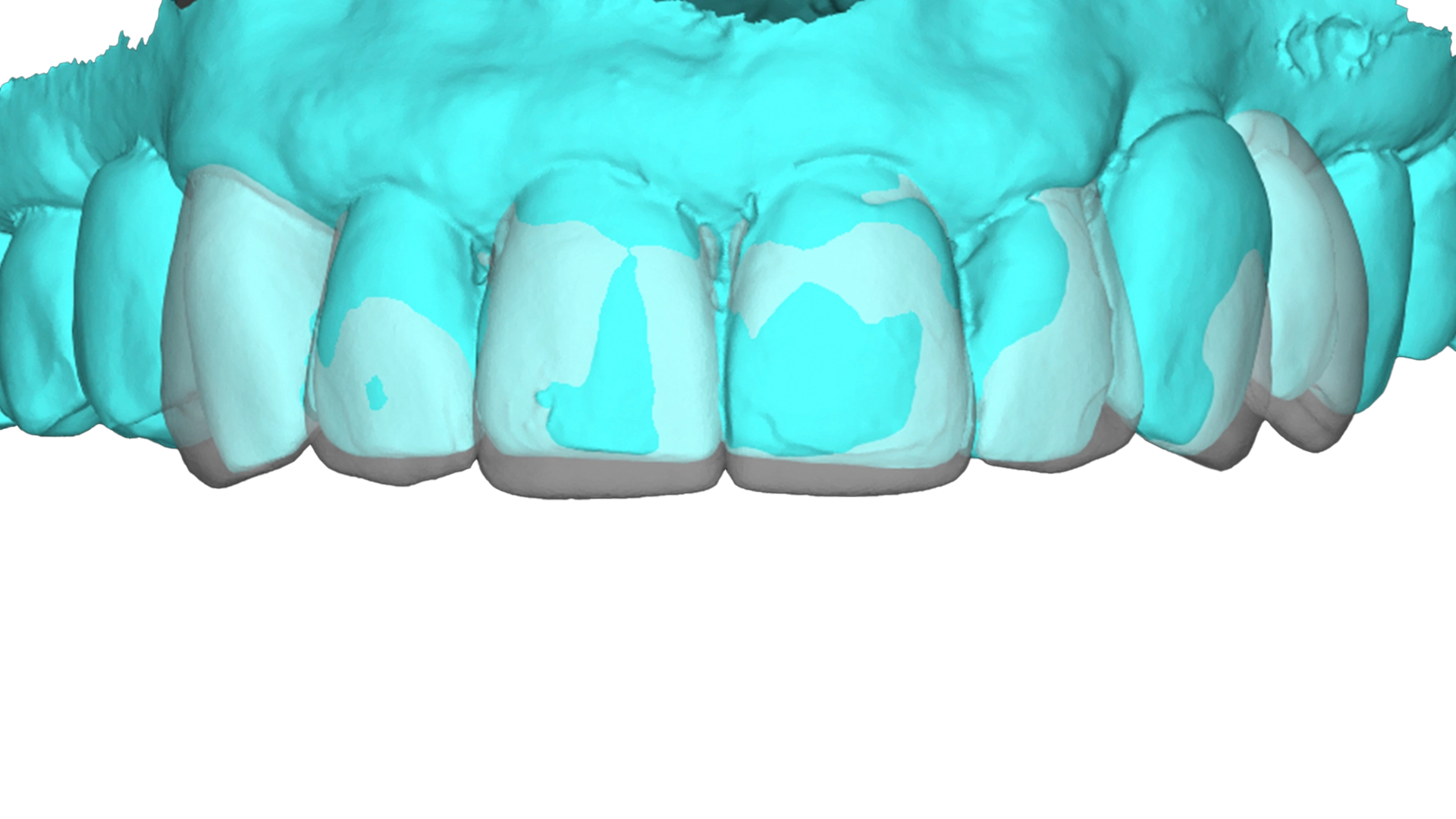
Using digital planning software, we simulate the entire procedure before treatment begins.
This approach provides several advantages:
- safer implant placement
- predictable aesthetics
- minimal surgical trauma
- faster healing
Think of it as creating a GPS map for your implant.
Pain-Free Procedures in the Heart of Wayland & Watertown MA
Fear keeps many people from replacing missing teeth.
We understand that hesitation.
Modern implant dentistry is designed to minimize discomfort and anxiety.
At D’Amico Dental Care we focus on:
- gentle anesthesia techniques
- minimally invasive surgery
- clear step by step explanations
- supportive follow up care
Many patients tell us the same thing after their appointment.
“The anticipation was worse than the procedure.”
And when patients feel safe, decisions become easier.
Secure Your Smile: Is it too late for an implant?
This is the question patients whisper during consultations.
“Did I wait too long?”
In many cases, the answer is reassuring.
Even if years have passed, modern dentistry offers solutions such as:
- bone grafting
- sinus lift procedures
- advanced implant techniques
But the earlier the evaluation happens, the more options remain available.
Think of a dental implant consultation not as a commitment but as a clarity session for your oral health.
You leave knowing:
- the condition of your jawbone
- whether an implant is possible now
- the most efficient path to restore your smile
And often, patients discover the situation is far simpler than they expected.
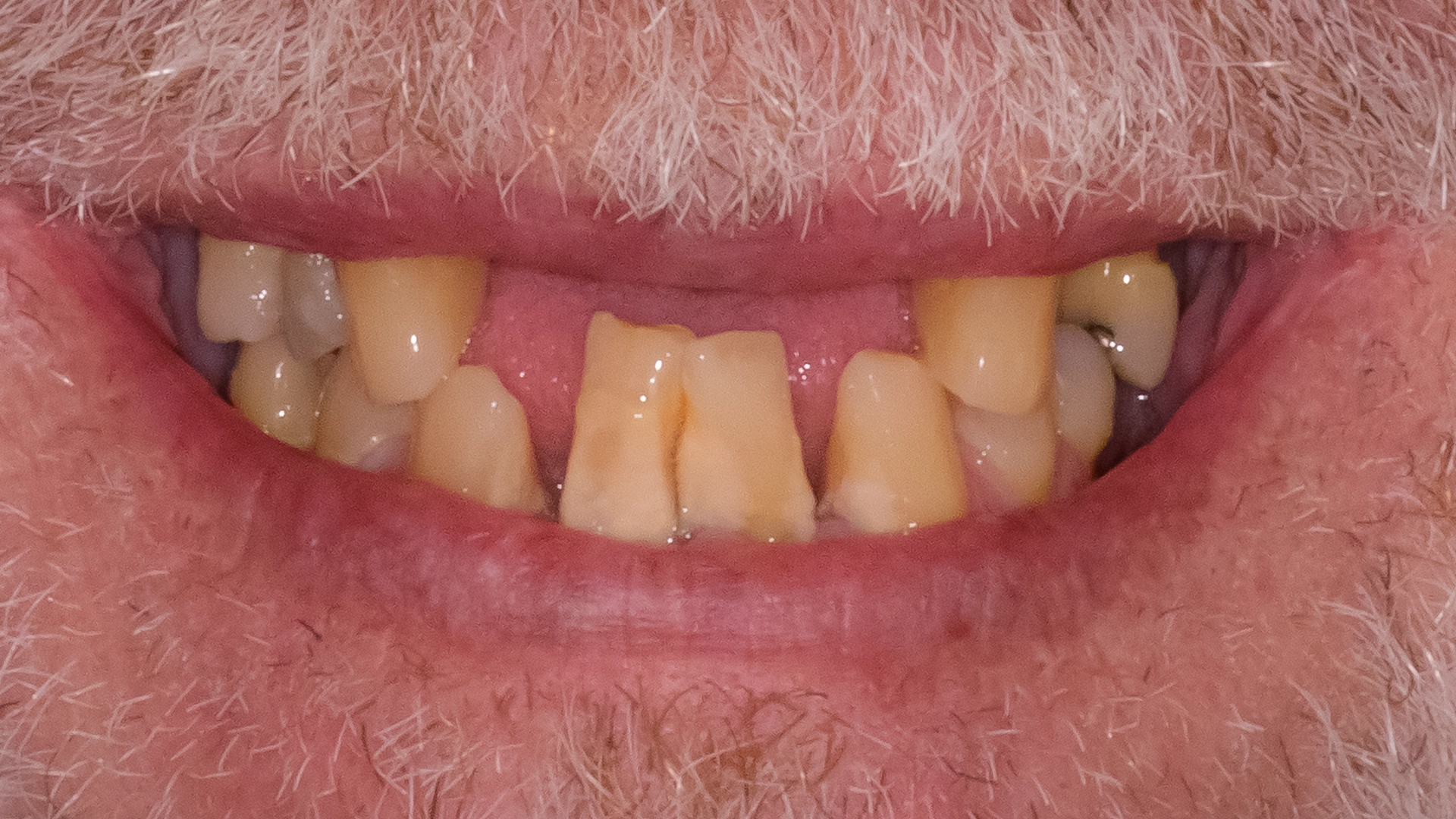
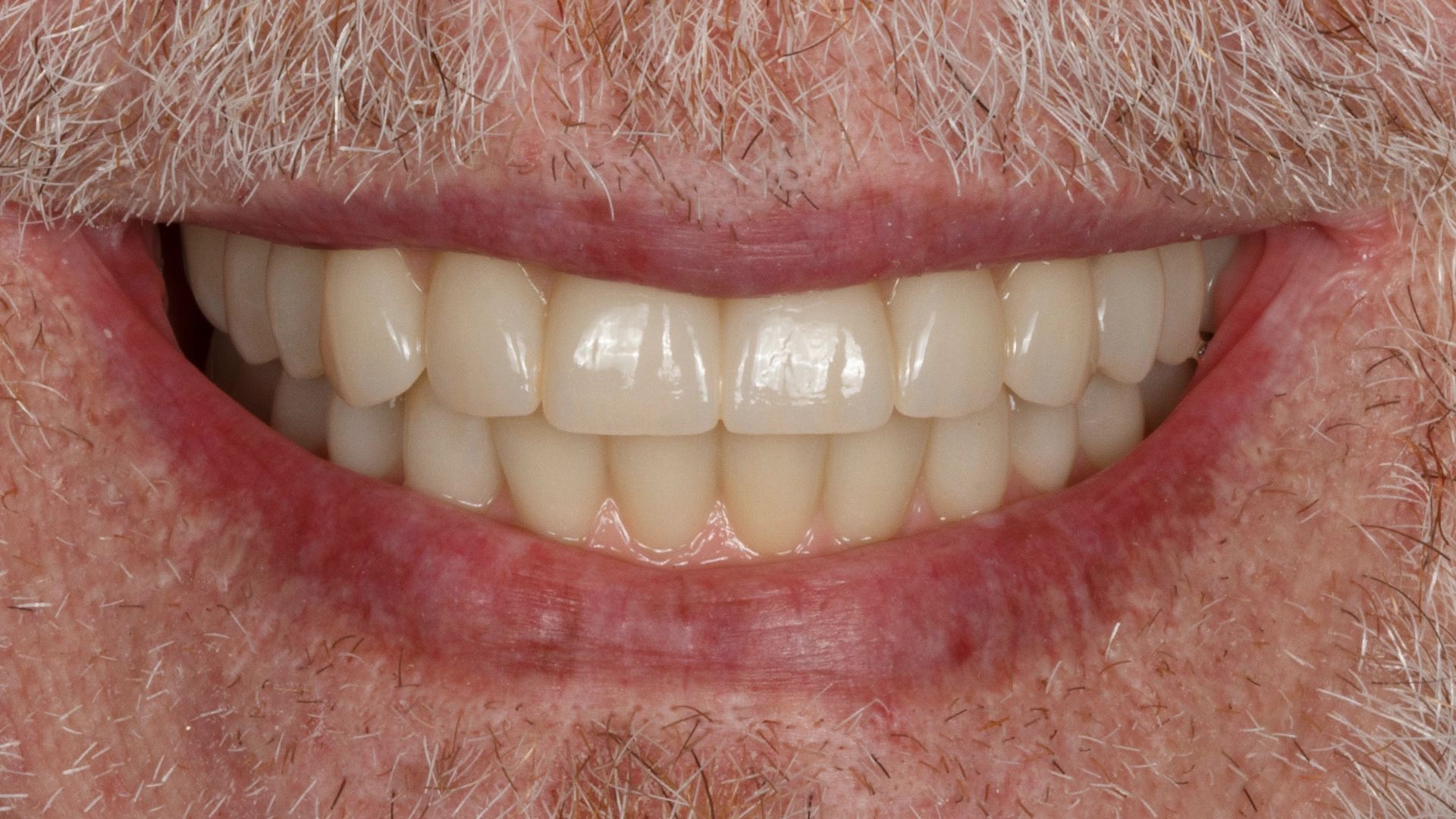
Drag to compare Before & After
Take the First Step Toward a Stronger Smile
Right now, your jawbone is making a quiet decision.
It is either preserving strength or slowly fading where a tooth once lived.
The sooner you understand what is happening, the more control you have over the outcome.
At D’Amico Dental Care in Wayland & Watertown MA, our team uses advanced digital diagnostics and patient centered care to make implant treatment clear, comfortable, and predictable.
Book a consultation and get answers about:
- your bone health
- your implant options
- the safest timeline for treatment
Book your free implant assessment at D’Amico Dental Care in Wayland & Watertown MA. In one appointment, you’ll know your bone health, your options, and your personalized timeline.
Ready to Restore Your Smile and Your Health?
Book your consultation at D’Amico Dental Care today.
[email protected]Frequently Asked Questions
1. How long can I safely wait before getting a dental implant?
The best time to get a dental implant is usually within the first 3 months after losing a tooth or having it extracted. During this period, your jawbone is still strong and stable. If you wait longer, the bone in that area starts to shrink, which can make the treatment more complex and more expensive.
2. What happens if I wait too long to replace a missing tooth?
If you delay treatment, the jawbone under the missing tooth begins to resorb, which means it gradually loses volume and density. Nearby teeth may also shift into the empty space, your bite can change, and your face may start to lose support. Over time, this can turn a simple implant case into one that requires bone grafting or additional procedures.
3. Can I still get a dental implant after 1 or 2 years?
Yes, in many cases you still can. However, after 1 to 2 years, there is a higher chance that you may not have enough healthy bone left for straightforward implant placement. In that situation, your dentist may recommend a bone graft first to rebuild the area and create a stable foundation for the implant.
4. Is it ever too late to get a dental implant?
For most patients, it is not too late. Even if you have waited many years, modern implant dentistry offers solutions such as bone grafting, sinus lifting, or advanced implant techniques. The important step is to get a proper examination and 3D scan so you know what is still possible.
5. How quickly does bone loss start after losing a tooth?
Bone loss can begin within the first few weeks after tooth loss. The most significant changes often happen during the first 6 to 12 months. This is because the jawbone no longer receives stimulation from the missing tooth root, so the body starts to break down the unused bone.
6. Will one missing tooth really affect the rest of my teeth?
Yes. Even a single missing tooth can affect your whole mouth over time. The neighboring teeth may drift toward the gap, and the tooth above or below may move out of position because it no longer has contact. This can lead to bite problems, uneven pressure, and extra wear on healthy teeth.
7. Can delaying an implant change my face shape?
Yes, it can. When bone shrinks in the area of a missing tooth, it can reduce support for the lips and cheeks. If several teeth are missing or if the delay is long, this can contribute to a more hollow or sunken appearance around the mouth, making the face look older.
8. Do dental implants hurt more if I wait too long?
The implant itself does not necessarily hurt more because of the delay, but the treatment may become more involved. If you need bone grafting or multiple procedures, the process can take longer and require more healing time. That is one reason why early treatment is often easier for patients.
9. Is a dental implant better than a bridge or denture if I want to prevent bone loss?
Yes. A dental implant is the only tooth replacement option that replaces the root as well as the crown, which helps preserve the jawbone. A traditional bridge restores the visible tooth but does not stimulate the bone underneath. A removable denture also does not stop bone resorption in the missing tooth area.
10. Can I get an implant immediately after tooth extraction?
In some cases, yes. This is called an immediate implant placement, where the implant is inserted soon after the tooth is removed. Whether this is possible depends on factors such as infection, bone quality, gum health, and the position of the tooth. A clinical exam and 3D scan are needed to decide if you are a good candidate.
11. What if I am scared of the dentist and have been postponing treatment?
You are not alone. Many patients delay implants because of fear, past bad experiences, or anxiety about pain. The good news is that modern implant treatment can be planned digitally, performed gently, and combined with local anesthesia or sedation options to make the experience much more comfortable than people expect.
12. How do I know if I need a bone graft before getting an implant?
The only reliable way to know is through a clinical examination and a 3D CBCT scan. Your dentist will assess the height, width, and density of your jawbone in the missing tooth area. If there is not enough bone to securely support the implant, a graft may be recommended before or during implant treatment.
13. Is getting an implant later more expensive than getting it early?
Very often, yes. When an implant is placed early, treatment is usually simpler and more predictable. If you wait too long, you may need bone grafting, additional scans, more appointments, and a longer treatment timeline, all of which can increase the total cost.
14. If the missing tooth is in the back, do I really need to replace it?
In most cases, yes. Back teeth do most of the heavy chewing and help keep your bite balanced. If a molar is missing and not replaced, the surrounding teeth can shift, your chewing force becomes uneven, and extra pressure may be placed on the remaining teeth and jaw joint.
15. What is the first step if I think I waited too long for an implant?
The first step is not to guess. It is to book an implant consultation with digital imaging so you can see exactly what is happening in your jaw. Many patients assume it is too late, only to find out they still have good options available.