
Quick Summary
- Dental implants can be a safe option for many people with diabetes, particularly when blood glucose is well controlled and oral health is suitable for treatment.
- HbA1c helps assess longer-term blood sugar control. Higher levels may indicate an increased risk of delayed healing and infection, but no single result determines whether every patient is eligible for implants.
- Both type 1 and type 2 diabetes can affect healing. Individual glucose control, overall health, gum condition, and other risk factors matter more than the diabetes diagnosis alone.
- Careful assessment and treatment planning are essential. Before recommending implant surgery, your dentist may review your medical history, HbA1c results, gum health, jawbone condition, and bite.
- Healing may take longer for some patients. Follow-up appointments, good oral hygiene, and appropriate blood sugar management help support implant healing and long-term stability.
- A personalized consultation is the best starting point. At D’Amico Dental Care in Wayland and Watertown, MA, Dr. D’Amico can assess your circumstances and discuss whether dental implants are appropriate for you.
Yes, many people with diabetes can receive dental implants. The key considerations are how well their diabetes is controlled and whether their overall health, gums, and jawbone support predictable healing.
Diabetes does not automatically rule out implant treatment. However, persistently high blood sugar can affect the body’s ability to heal and respond to infection. This makes careful assessment and coordination with your medical team particularly important.
At D’Amico Dental Care in Wayland and Watertown, MA, implant treatment is planned around your oral health, medical history, bite, and long-term restorative goals. Dr. D’Amico personally oversees the treatment process, from the initial assessment through the final restoration.
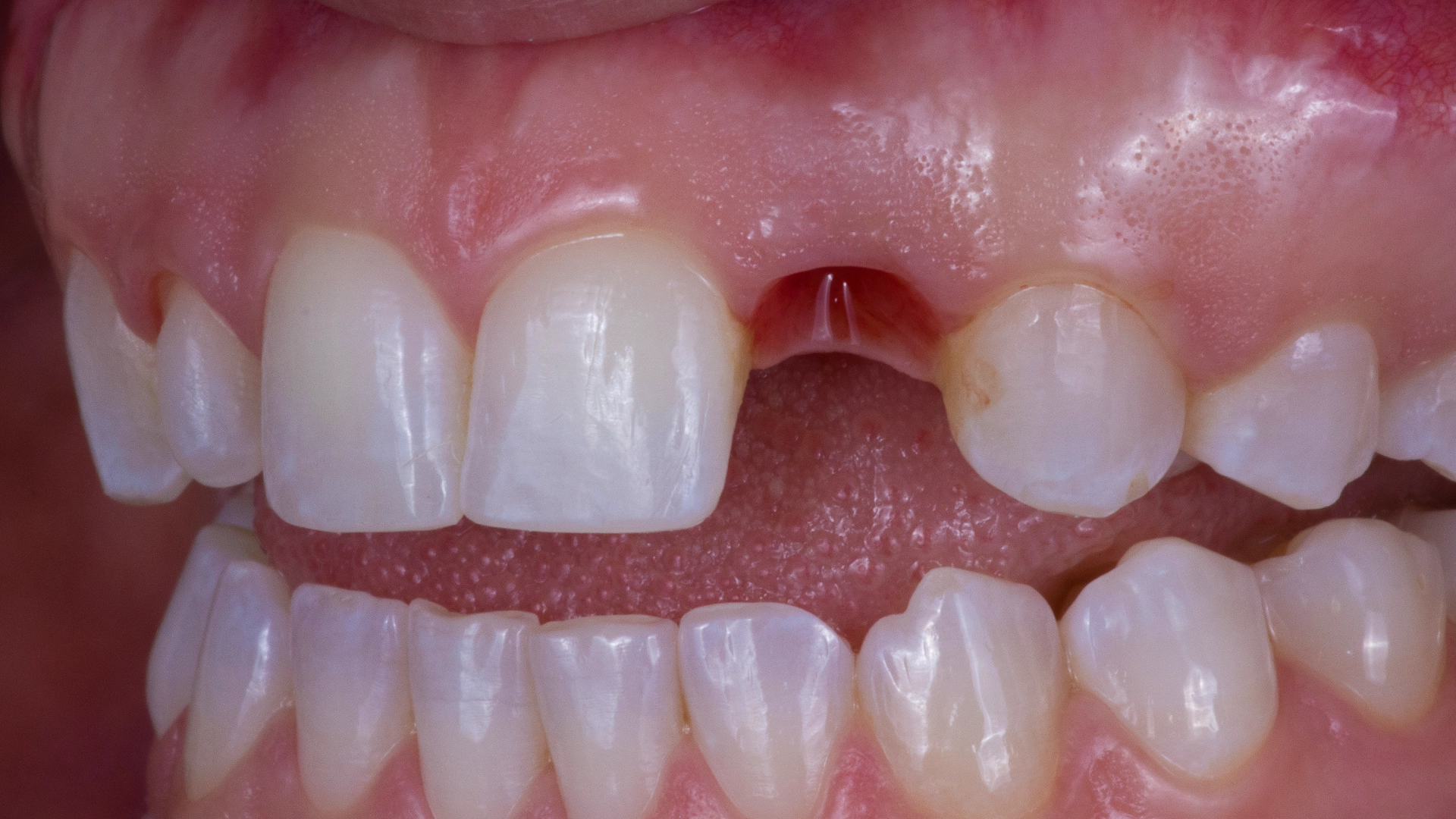
Are Dental Implants Safe for Patients with Diabetes?
Dental implants are small posts, usually made of titanium, that are placed in the jawbone to support replacement teeth. They rely on osseointegration, the process in which living bone forms a stable connection with the implant surface.
For people with diabetes, this process can still occur successfully. The main concern is that poorly controlled blood glucose may interfere with healing and increase susceptibility to infection.
Your suitability for dental implants therefore depends on more than a diabetes diagnosis. Blood sugar control, gum health, available bone, smoking status, medications, and other health factors can all influence treatment planning.
An important distinction is that having diabetes is not the same as having poorly controlled diabetes. Two people with the same type of diabetes may have different implant risks and require different treatment plans.
Osseointegration Success Rates in Diabetic vs. Non-Diabetic Patients
Research generally indicates that people with well-controlled diabetes can achieve high dental implant success rates, sometimes comparable to those of people without diabetes. However, results vary between studies and patients, and the evidence does not support treating every case as equally predictable.
Osseointegration depends on the formation and maintenance of a healthy connection between the bone and the implant. Elevated blood glucose can affect immune function, circulation, and tissue repair, potentially making this process less reliable.
It is also important to distinguish implant survival from complete clinical success. An implant may remain in place while a patient still experiences inflammation, bone loss, or other complications that require attention.
The practical question is not simply whether implants work for people with diabetes. It is whether your individual health and oral conditions support a reasonable prospect of long-term stability.
The Critical Role of HbA1c Levels in Predicting Implant Outcomes
HbA1c, or glycated hemoglobin, is a blood test that estimates your average blood glucose over roughly the previous two to three months. It helps your healthcare team understand your longer-term glucose control rather than relying on a single reading.
A higher HbA1c may indicate a greater risk of delayed healing and infection. However, HbA1c is a risk indicator, not a stand-alone verdict on whether you are eligible for dental implants.
There is no single HbA1c threshold that guarantees implant success or failure for every patient. Your dentist and medical clinician may consider your recent results, diabetes history, current treatment, other health conditions, and the extent of the planned procedure.
If your blood sugar is not well controlled, postponing elective implant surgery while working with your medical team to improve control may be appropriate. The decision should be individualized rather than based on one number alone.
Risk Factors That Determine Implant Success in Diabetic Patients
Diabetes is one part of your overall health picture, not the whole picture. Two factors are especially important: how well your blood glucose is managed and whether other conditions could affect healing.
Your dentist may also consider gum disease, smoking, oral hygiene, bone quality, medications, and previous healing problems. These factors help determine whether treatment can proceed, whether additional preparation is needed, and how healing should be monitored.
Type 1 vs. Type 2 Diabetes and Their Effect on Bone Healing
Type 1 and type 2 diabetes affect how the body regulates blood glucose, but the type alone does not determine whether dental implants are suitable.
In type 1 diabetes, the body produces little or no insulin, so insulin treatment is essential. In type 2 diabetes, the body does not use insulin effectively or cannot produce enough to maintain normal glucose levels. Both types can affect healing when blood sugar is poorly controlled.
High glucose levels may impair immune responses, alter inflammation, and interfere with normal tissue repair. These changes can affect the gums and the bone around a dental implant.
The degree of glucose control matters more than the diabetes label alone. Your medical history, current glucose control, and other health conditions help determine your individual risk. Research on implant outcomes in type 1 diabetes is also more limited than the evidence available for type 2 diabetes, so conclusions should be made cautiously.
How Uncontrolled Blood Sugar Increases Infection and Failure Risk
When blood glucose remains high, the body’s response to bacteria and its ability to repair damaged tissue may be impaired. This can make healing less predictable after implant surgery.
There are two important concerns:
- Early healing: The surgical site may take longer to heal, and the implant may take longer to integrate with the jawbone.
- Long-term implant health: Persistent inflammation around an implant can damage the supporting tissues and bone. This is known as peri-implant disease, which includes peri-implant mucositis and peri-implantitis.
These risks are not inevitable. Good blood glucose management, healthy gums, careful treatment planning, and regular professional maintenance can help support a better outcome.
If your diabetes is currently difficult to control, the appropriate next step may be to address your overall health and reassess implant treatment later. A delay can be a sensible clinical decision when it improves the conditions for healing.
Our Clinical Protocol for Implant Placement in Diabetic Patients at D’Amico Dental Care
At D’Amico Dental Care, implant treatment follows a structured process led personally by Dr. D’Amico. The aim is to determine whether treatment is appropriate, understand the factors that may affect healing, and plan the final tooth before surgery begins.
For patients with diabetes, medical information and oral health need to be considered together. This helps ensure that the treatment plan reflects the patient’s individual circumstances rather than relying on a diagnosis alone.
Pre-Surgical Assessment: HbA1c Screening and Medical Coordination
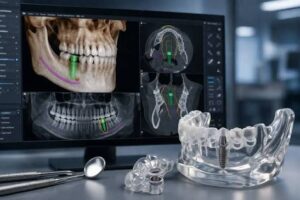
The initial assessment considers your dental concerns, medical history, treatment goals, bite, and the condition of your jawbone and gums. Digital imaging may be used to assess available bone and nearby anatomical structures and to plan implant positioning.
Your diabetes management is also relevant. Your clinician may need to review a recent HbA1c result and coordinate with your physician or diabetes care team, particularly if your glucose control is unstable or other medical conditions are present.
The assessment should establish:
- Whether your current blood glucose control supports elective surgery.
- Whether gum disease or other oral health problems need treatment first.
- Whether sufficient bone is available or preparatory treatment may be necessary.
- What type of restoration is appropriate and how treatment should be timed.
- What monitoring and maintenance will be needed after implant placement.
The purpose of the assessment is to make a clinical decision, not simply to approve or reject treatment. If the conditions are suitable, planning can proceed. If something needs attention first, you can discuss what needs to change and when treatment might be reconsidered.
Surgical and Post-Operative Modifications to Minimize Complications
Implant surgery is planned in advance, and a custom surgical guide may be used when appropriate to help position the implant according to the digital plan. The procedure is designed around precision, stability, and patient comfort.
For someone with diabetes, the timing and loading of an implant may require particular care. If healing is expected to be slower, the dentist may recommend allowing more time for bone integration before placing the final restoration or putting the implant into full function.
After surgery, follow-up appointments help assess wound healing, tissue health, and implant stability. Keeping the area clean, following post-operative instructions, and attending review appointments are important parts of care.
Your medical team may also advise you on managing diabetes medication, meals, and glucose monitoring around the procedure. Do not change your insulin or other diabetes medication on your own; any adjustments should be agreed upon with the clinician responsible for your diabetes care.
The exact protocol depends on your health and the planned treatment. No surgical technique can eliminate every risk, but careful preparation and appropriate follow-up help clinicians manage the factors that can be addressed.
Evaluate Your Implant Candidacy with a Personalized Consultation in Wayland and Watertown, MA
If you have diabetes and are considering dental implants, the next step is to understand how your medical health and oral conditions affect your options. You do not need to assume that implants are unsuitable, or that treatment must proceed regardless of risk.
A personalized assessment can help establish whether implant treatment is appropriate now, whether preparation is needed, and what alternatives may be worth considering.
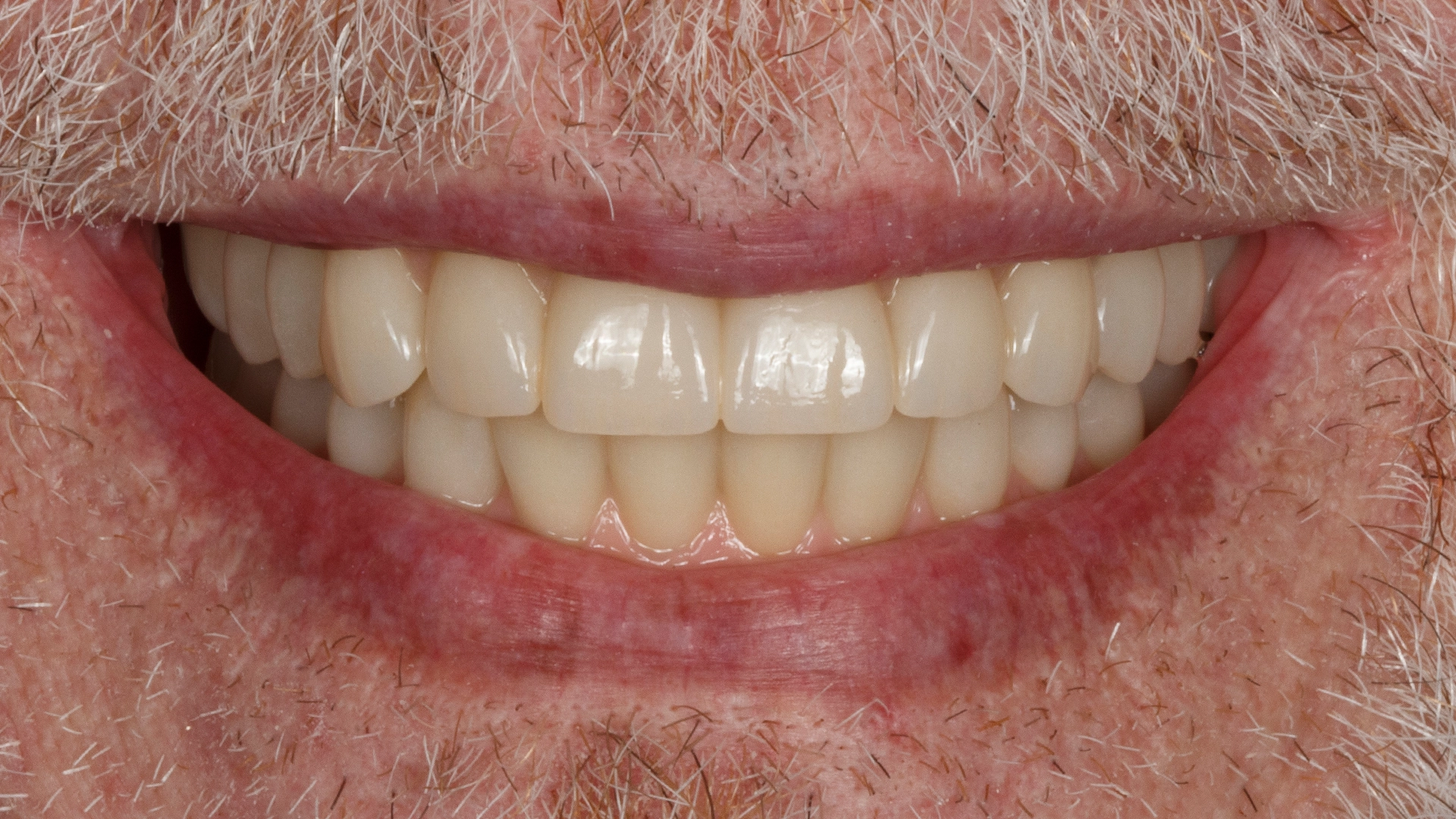
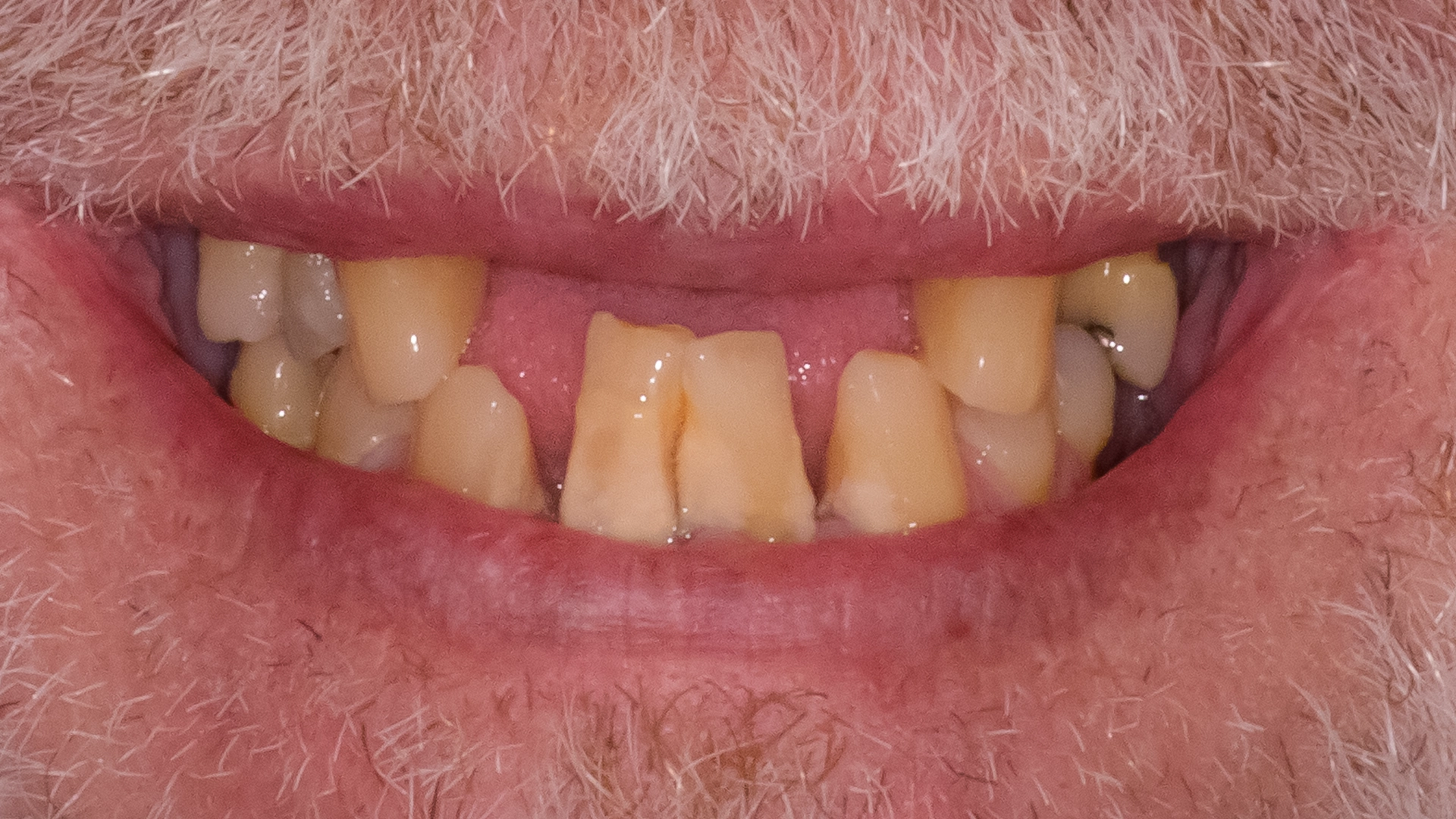
What to Expect During Your Initial Implant Assessment at D’Amico Dental Care
Dr. D’Amico will assess your dental concerns, medical history, oral health, and treatment goals. The evaluation may include a clinical examination, digital imaging, bite assessment, and a review of your bone and restorative needs.
Bring your recent HbA1c results, a list of medications, and relevant information from your diabetes care team. These details can help inform the discussion about healing, timing, and medical coordination.
You should leave with a clearer understanding of the proposed treatment, its potential risks, the expected timeline, and the financial considerations before deciding how to proceed.
If you are exploring dental implants in Wayland or Watertown, MA, book a consultation with D’Amico Dental Care to discuss your individual circumstances with Dr. D’Amico. The goal is to determine whether implants are a suitable option for you and establish a plan that makes sense for your health.
Frequently Asked Questions About Dental Implants for Diabetic Patients
1. Can you get dental implants if you have diabetes?
Yes. Many people with diabetes can receive dental implants, especially when their blood sugar is well controlled and their gums and jawbone are healthy enough for treatment. Diabetes does not automatically disqualify you from implant surgery. Your dentist will assess your medical history, blood glucose control, oral health, and individual healing risks before recommending treatment.
2. What HbA1c level is safe for dental implants?
HbA1c helps show how well your blood sugar has been controlled over the previous two to three months. Higher HbA1c levels may be associated with slower healing and a greater risk of infection or implant complications. However, there is no single HbA1c cutoff that applies to every patient in every clinical situation. Your dentist may coordinate with your physician to determine whether it is appropriate to proceed or whether improving glucose control first would be safer.
3. Do dental implants have a lower success rate in people with diabetes?
Dental implants can be successful in people with diabetes, particularly when the condition is well managed. Poorly controlled blood sugar may interfere with healing and osseointegration, the process through which the jawbone bonds with the implant. Your individual risk depends on factors such as glucose control, gum health, smoking, bone quality, and overall medical health. A personalized assessment is more useful than relying on a general success rate alone.
4. Does type 1 or type 2 diabetes make dental implant surgery riskier?
Both type 1 and type 2 diabetes can affect the body’s healing response. The main consideration is how well blood sugar is controlled and whether other health conditions may affect recovery. The type of diabetes alone does not determine whether implants are suitable. Your dentist will consider your medical history, medications, oral health, and any complications that could influence healing.
5. What happens if my blood sugar is too high before dental implant surgery?
If your blood sugar is not well controlled, your dentist may recommend postponing elective implant surgery until your medical condition is better managed. Elevated blood glucose can increase the risk of infection and delayed healing, potentially affecting the implant’s integration with the jawbone. This decision depends on your individual circumstances and may involve coordinating care with your physician. Do not change your diabetes medication without medical advice.
6. How can I reduce the risk of dental implant failure if I have diabetes?
You can help support implant healing by keeping your blood sugar within the range recommended by your healthcare team, maintaining good oral hygiene, treating existing gum disease, and attending all follow-up appointments. Avoiding smoking is also important because smoking can impair healing. Your dentist may adapt the timing of treatment, surgical planning, and post-operative monitoring to suit your needs. No approach can guarantee success, but managing these factors can help reduce avoidable risks.
7. Does D’Amico Dental Care provide dental implant assessments for patients with diabetes in Wayland and Watertown, MA?
D’Amico Dental Care provides dental implant treatment planning at its practices in Wayland and Watertown, Massachusetts. If you have diabetes, an initial assessment can help determine whether implants may be appropriate based on your medical history, blood sugar control, gum health, and jawbone condition. Patients considering care from nearby communities, such as Sudbury, Weston, Wellesley, Natick, and Lincoln, can contact the practice to discuss arranging a consultation. Confirm travel and appointment details directly with the clinic.
8. What should I expect at my first dental implant consultation if I have diabetes?
Your first consultation typically involves discussing your medical history, diabetes management, medications, and treatment goals. Your dentist will assess your teeth, gums, bite, and jawbone, using dental imaging when needed to evaluate the available bone and relevant anatomy. You may be asked to provide recent HbA1c results or discuss them with your physician. Based on these findings, the team can explain your options, possible preparatory procedures, expected healing considerations, and next steps.